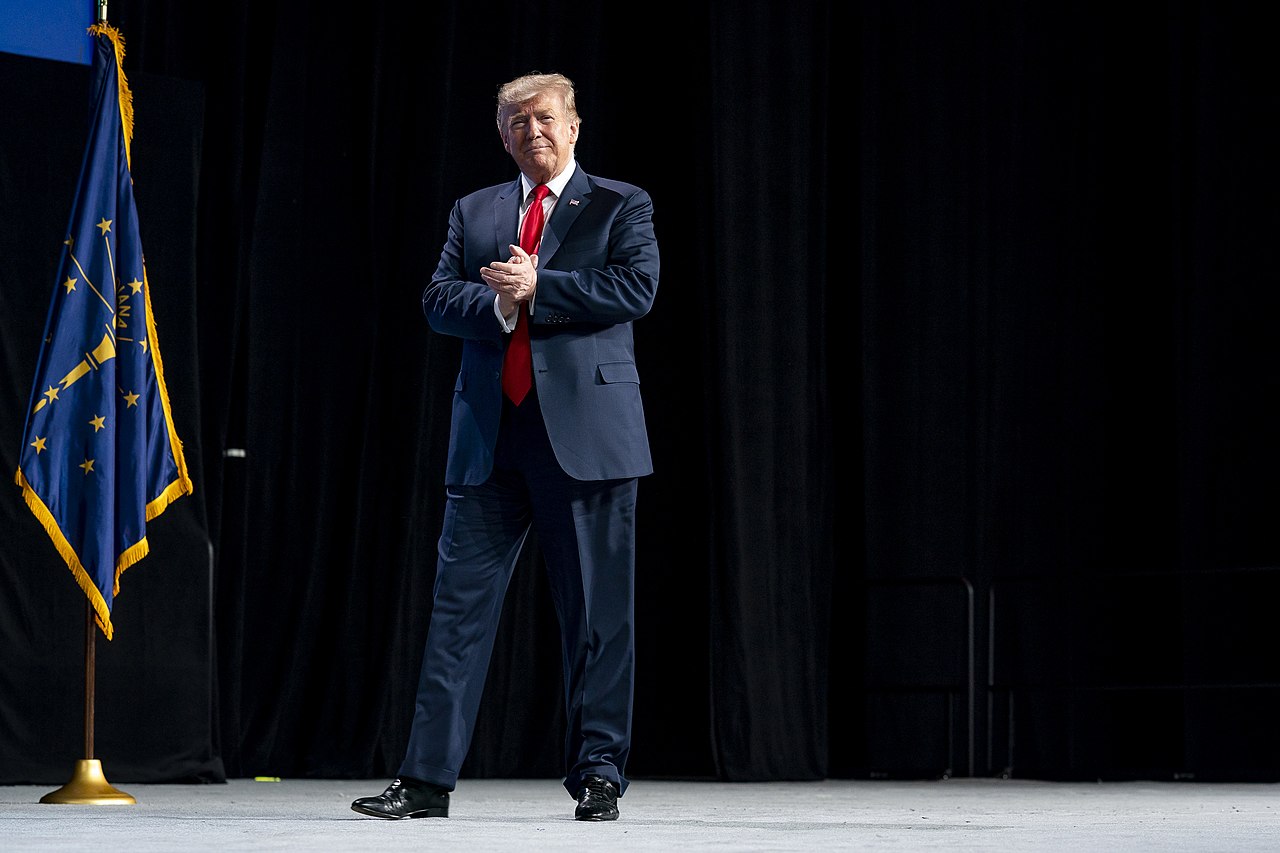
Trump forcing Democrats to eat their own and the GOP is watching from the sidelines.
A growing divide inside the Democratic Party is becoming impossible to ignore, as tensions between establishment leaders and progressive activists escalate ahead of a critical election cycle.
With control of the House of Representatives at stake, internal conflicts among Democrats could have major political consequences — and some observers say it may ultimately benefit Donald Trump and Republicans.
Democrat Infighting Erupts Over Key Race
The latest controversy began when the Democratic Congressional Campaign Committee (DCCC) backed California Assemblymember Jasmeet Bains through its influential “Red to Blue” program.
The initiative is designed to support candidates considered most likely to win competitive general elections. However, the move has sparked strong criticism from progressive Democrats who argue that party leadership is interfering in primary elections.
Bains, viewed as a more centrist candidate, is running against Randy Villegas, a progressive challenger supported by Bernie Sanders and several left-leaning organizations.
Progressives Push Back Against Party Leaders
Members of the Congressional Progressive Caucus openly criticized the decision, arguing that voters — not Washington insiders — should decide the party’s nominees.
Several lawmakers expressed concern that the DCCC’s involvement could discourage grassroots participation and deepen divisions within the party.
Villegas also spoke out, calling the move “undemocratic” and suggesting it undermines trust in the political process.
Moderates vs. Far-Left: A Growing Divide
While progressive groups have rallied behind Villegas, Bains continues to receive support from more moderate Democrats and major labor organizations.
This split highlights a broader struggle within the Democratic Party — one that has been building for years between its centrist wing and its increasingly vocal progressive base.
Political analysts note that these internal disagreements could weaken party unity at a time when Democrats are trying to regain momentum nationally.
High Stakes in a Critical District
The California race is especially important because it targets a seat currently held by Republican Congressman David Valadao.
Despite representing a district with a large Hispanic population, Valadao has repeatedly defeated Democratic challengers — making this contest a top priority for both parties.
However, ongoing internal disagreements could complicate efforts to present a unified campaign.
Similar Battles Emerging Nationwide
California is not the only place where tensions are rising.
In Maine’s 2nd Congressional District, another dispute emerged after the DCCC supported a preferred candidate, drawing criticism from opponents who accused party leaders of attempting to influence the outcome.
These situations are raising broader questions about the role of national party organizations in local elections.
Republicans See Opportunity
Republicans have pointed to these conflicts as evidence of deeper problems within the Democratic Party.
Some GOP strategists argue that divisive primaries and ideological battles could weaken Democrats in the general election and improve Republican chances of maintaining or expanding their majority.
For supporters of Donald Trump, the situation reinforces a familiar argument: that Democratic leadership is struggling to balance competing factions within its own party.
What This Means Moving Forward
As the election cycle intensifies, the Democratic Party faces a key challenge — maintaining unity while navigating internal ideological differences.
Whether party leaders can bridge that divide may play a decisive role in upcoming elections.
For now, the ongoing disputes highlight a party still working to define its direction — at a time when every seat in Congress could make a difference.