A critical next step in President Donald Trump’s new Iran strategy has suddenly hit a roadblock.
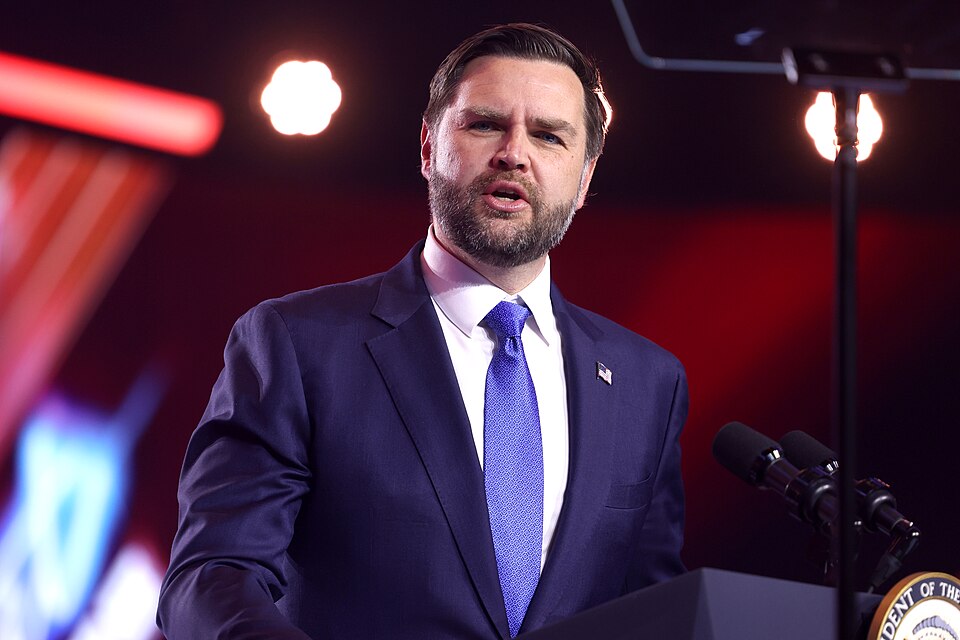
Vice President JD Vance was expected to travel to Switzerland Thursday night to begin the first round of technical nuclear negotiations with Iran. But at the last minute, the trip was called off, raising fresh questions about whether Tehran is truly prepared to honor its commitments under the newly announced agreement.
The Trump administration insists the talks are still expected to happen. However, officials now acknowledge that uncertainty surrounding Iran’s participation has complicated plans and delayed the launch of negotiations.
The discussions are considered a crucial part of President Trump’s broader effort to secure concessions from the Iranian regime and prevent further instability in the Middle East.
A White House spokesperson confirmed Thursday that Vance would not be departing as originally planned.
The spokesperson noted that, as the Vice President indicated during his briefing, details for the upcoming technical talks are still being worked out, and the U.S. delegation is ready to leave once those arrangements are finalized.
The White House stressed that negotiations involving Iran have always been difficult and unpredictable.
“At this time, the Vice President will not be departing tonight,” the spokesperson added. “We remain committed to beginning technical discussions as quickly as possible.”
The delay comes just days after President Trump finalized a memorandum of understanding with Iran, an agreement that supporters say could help reduce tensions while advancing American security interests.
But questions remain about whether Iranian leaders are willing—or even able—to follow through.
During a White House briefing Thursday, Vance suggested travel complications inside Iran may be contributing to the uncertainty.
“We believe these technical negotiations will begin sometime this weekend,” Vance said. “That’s still the expectation, although circumstances could change.”
He added that Iran presents unique logistical challenges and that officials are still working to determine exactly when negotiators will be able to meet.
“My guess is that it happens this weekend, but I can’t say that with complete certainty,” Vance said.
Iranian state media has reported that Tehran may refuse to participate in discussions until Israeli military operations in Lebanon come to an end, adding another layer of uncertainty to the diplomatic process.
The negotiations are expected to focus on some of the most sensitive issues surrounding Iran’s nuclear program, including the future of its stockpile of enriched uranium, verification procedures, inspection requirements, and other key provisions.
President Trump formally endorsed the agreement Wednesday while in France after Vice President Vance initially signed the framework electronically earlier in the week.
Under the deal, the United States and Iran agreed to enter a 60-day period of technical negotiations aimed at defining exactly how Tehran will limit portions of its nuclear activities.
For the Trump administration, the upcoming talks represent a major test.
Supporters believe the negotiations could help secure American interests while avoiding a broader regional conflict. Critics remain skeptical and argue that Iran has a long history of making promises it ultimately fails to keep.
Now, with the first meeting unexpectedly delayed, all eyes are on Tehran.
The coming days could determine whether President Trump’s latest diplomatic effort moves forward—or whether the agreement faces serious trouble before negotiations even begin.