What is Trump preparing to do?
President Donald Trump has ordered a significant expansion of the U.S. military presence in the Middle East as tensions with Iran continue to escalate following recent attacks in the Strait of Hormuz.
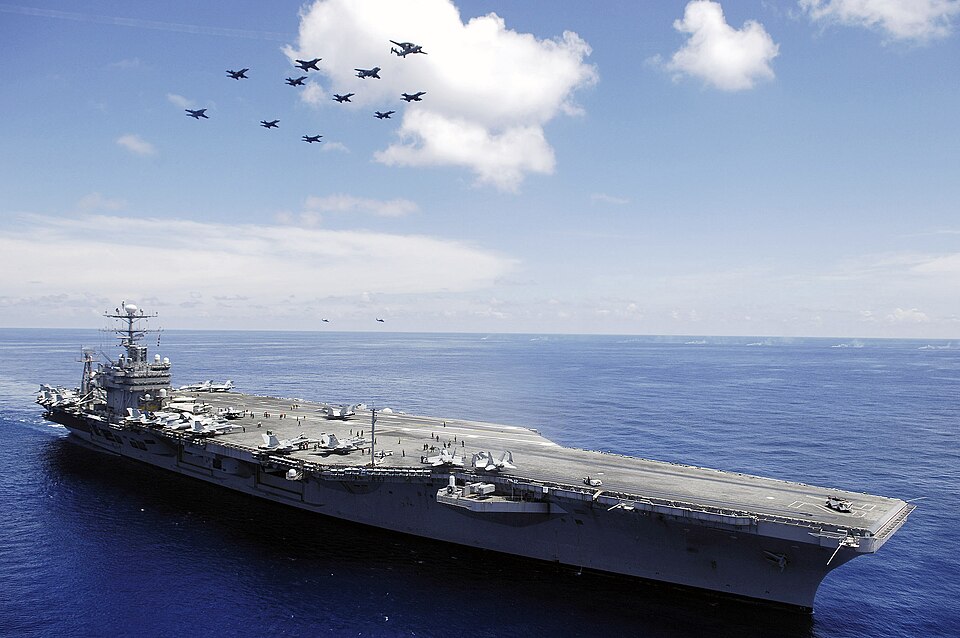
According to maritime tracking reports, the USS Abraham Lincoln and the USS George H.W. Bush aircraft carriers were observed entering the Gulf of Oman on Friday. Defense analysts say the deployment gives the United States greater flexibility to protect international shipping routes, respond to emerging security threats, and support additional military operations if necessary.
The move represents one of the largest concentrations of American naval power in the region in recent months and comes as the Trump administration weighs both military and diplomatic options.
U.S. Central Command (CENTCOM) confirmed that a substantial American naval force remains deployed throughout the Middle East.
U.S. Central Command said more than 20 Navy warships are currently operating throughout the Middle East as American forces continue efforts to support regional security and maintain stability.
CENTCOM declined to discuss operational details when asked whether the United States is preparing additional maritime security measures involving Iranian ports or nearby shipping lanes.
Military experts note that positioning aircraft carriers closer to Iran places them within range of Iranian missile systems while also allowing faster response times if conditions deteriorate.
Retired Rear Adm. Mark Montgomery, a senior fellow with the Foundation for Defending Democracies, said naval assets routinely move closer to potential conflict zones when preparing to secure international waterways or protect commercial shipping.
Montgomery told the New York Post that naval forces routinely shift positions, but ships preparing to support a blockade or secure passage through the strait would likely move closer to areas threatened by Iran.
At the same time, diplomatic efforts continue behind the scenes.
A delegation from Qatar concluded meetings with Iranian officials on Friday after traveling to Tehran in coordination with the United States. According to a source familiar with the discussions, the talks focused on reducing tensions and preventing additional military confrontation.
The source added that Iranian officials are expected to travel to Oman for further discussions regarding the Strait of Hormuz, including the security of international shipping lanes that pass through Iranian territorial waters.
President Trump has expressed support for continuing diplomatic discussions with Iran, although no formal face-to-face negotiations have been publicly scheduled.
The military buildup follows a sharp deterioration in relations earlier this week after President Trump declared the previous U.S.-Iran cease-fire arrangement effectively over following attacks on three vessels traveling through the Strait of Hormuz.
In response, the administration revoked Iran’s oil export waiver and authorized two days of military strikes targeting coastal facilities linked to Iranian operations.
The latest deployment underscores the administration’s strategy of combining military readiness with diplomatic engagement. While American forces remain prepared to respond to additional threats, officials continue working with regional partners to reduce tensions and maintain stability in one of the world’s most strategically important waterways.
With both military and diplomatic efforts unfolding simultaneously, the situation remains fluid. The coming days could prove critical as U.S. officials monitor developments, protect international commerce, and pursue additional negotiations aimed at preventing a broader regional conflict.