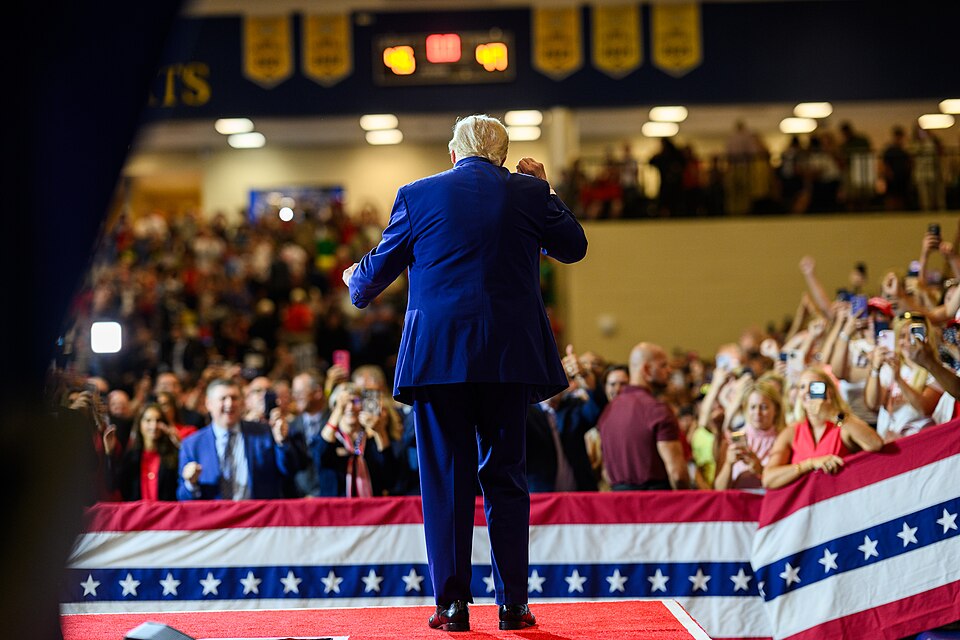
Trump just delivered again,
President Donald Trump just announced a major expansion of his effort to lower prescription drug prices, potentially delivering significant savings for millions of American families and seniors struggling with healthcare costs.
The new agreements target one of the most frustrating problems facing U.S. consumers: Americans routinely paying substantially more for many prescription medications than patients in other developed countries.
Trump says his administration intends to change that.
Nine additional pharmaceutical manufacturers have agreed to participate in the administration’s “most-favored-nation” drug pricing initiative, bringing the total number of participating companies to 26.
According to the White House, those companies now represent approximately 89% of America’s branded prescription drug market.
Even more significant is the potential financial impact.
The Trump administration’s Council of Economic Advisers estimates that its most-favored-nation drug pricing agreements could generate approximately $600 billion in savings over the next decade.
For seniors, retirees and families watching every dollar in their monthly budgets, that could make prescription drug costs an increasingly important pocketbook issue.
Trump Targets America’s High Prescription Drug Prices
Americans have complained about high prescription costs for decades, and research shows there is a substantial difference between what patients pay in the United States and what drugs cost overseas.
A 2024 RAND study comparing U.S. prescription prices with those in other developed countries found that American prices across all prescription drugs were nearly three times as high.
The disparity was even greater for brand-name medications.
That pricing gap has become a central target of Trump’s healthcare agenda.
Under the most-favored-nation strategy, the administration is attempting to tie certain U.S. drug prices more closely to lower prices available in comparable developed nations.
Trump portrayed the latest agreements as a victory for American patients who have spent years shouldering high pharmaceutical costs.
Trump said the most-favored-nation discounts would deliver what he described as the biggest prescription drug price reduction in U.S. history.
$600 Billion in Projected Savings
The numbers involved are substantial.
According to the Trump administration, the broader most-favored-nation framework is projected to produce approximately $600 billion in savings during the next decade.
The newest agreements involve nine pharmaceutical manufacturers:
Teva Pharmaceuticals, BridgeBio, Sun Pharma, UCB, Alcon, Kyowa Kirin, CSL, BeOne Medicines and Astellas Pharma.
Those companies join 17 major pharmaceutical manufacturers that had already reached agreements with the administration.
With the expansion, the White House says 26 manufacturers representing 89% of the branded drug market are now covered by most-favored-nation agreements.
Seniors Could Have Plenty at Stake
The announcement could be particularly important for older Americans.
Prescription medications can represent a significant recurring expense for seniors, especially those managing multiple chronic health conditions while living on Social Security, pensions or retirement savings.
The latest agreements involve medications used to treat serious and sometimes costly conditions, including Parkinson’s disease, hemophilia, glaucoma, macular degeneration, liver disease, skin conditions and several forms of cancer.
For retirees already dealing with groceries, housing, utilities, insurance premiums and other household expenses, lower medication costs could provide valuable breathing room.
The administration says every state Medicaid program will also receive access to most-favored-nation pricing on products covered by the nine new agreements.
Trump Says Americans Have Been Paying Too Much
Trump has long argued that American patients have effectively been forced to shoulder an unfair portion of the world’s pharmaceutical costs.
“We were ripped off by the pharmaceutical companies, and we were ripped off more than anything by other countries throughout the world,” Trump said.
The president argues that foreign governments have benefited from lower pharmaceutical prices while American consumers have been left paying significantly higher prices.
There is no question that a substantial international pricing gap exists.
RAND researchers found that overall U.S. prescription drug prices were 278% of prices in 33 comparison countries using 2022 data.
Brand-name originator drugs showed an even larger disparity, although generic medications were generally cheaper in the United States.
Trump’s most-favored-nation approach is designed to narrow that gap.
Major Drug Companies Already Joined Trump’s Plan
The latest announcement didn’t come out of nowhere.
Trump signed an executive order in May 2025 directing his administration to pursue most-favored-nation prescription drug pricing.
The administration subsequently reached agreements with 17 major pharmaceutical manufacturers, including Pfizer, Eli Lilly, Amgen, Merck, Johnson & Johnson, AbbVie and other industry giants.
Nine additional manufacturers have now joined the initiative.
The administration says the agreements will give Medicaid programs access to most-favored-nation prices for existing products while applying the pricing framework to new innovative medications brought to the U.S. market.
Trump has made reducing prescription drug costs one of the major healthcare priorities of his second term.
Drug Companies Promise Billions in U.S. Investment
Lower prices aren’t the only part of the announcement.
The nine pharmaceutical manufacturers have collectively committed to investing at least $19.6 billion in U.S. manufacturing in the near term.
That could give the agreements another selling point for Americans concerned about the country’s reliance on foreign manufacturing.
Several participating manufacturers are also contributing pharmaceutical ingredients to the Strategic Active Pharmaceutical Ingredients Reserve.
The goal is to strengthen America’s domestic medicine supply chain and reduce the risk of critical drug shortages during national emergencies.
For conservatives who have spent years calling for more manufacturing to return to the United States, the combination of lower drug costs and additional domestic investment could prove especially appealing.
Healthcare Costs Remain a Major Pocketbook Issue
Healthcare affordability remains deeply personal for American families.
Unlike many household purchases, prescription medications often aren’t optional. Patients suffering from chronic or serious illnesses may depend on them every day.
That makes even relatively small price reductions meaningful, particularly for retirees living on fixed incomes.
The Trump administration says its broader prescription drug initiatives are already producing savings, while the new agreements are intended to expand those benefits further.
However, exactly how much individual Americans save will depend on the medication involved, insurance coverage and how the agreements are implemented.
That distinction matters because a projected nationwide savings figure does not mean every household will automatically see the same reduction at the pharmacy counter.
Trump Turns Drug Prices Into a Midterm Issue
The announcement also arrives as Republicans prepare for the midterm elections.
Prescription drug costs are an issue that crosses political and demographic lines, but they can be particularly important among older voters who are more likely to require regular medications.
Republicans are expected to point to Trump’s drug pricing initiatives as evidence that the administration is tackling everyday expenses affecting American households.
Trump suggested that taking on the pharmaceutical industry has even cost him friendships.
He said he “lost some very good friends” while pushing for lower prescription prices, although he did not identify those individuals.
For Trump, however, the larger argument is that American patients should no longer accept paying dramatically more for medications simply because they live in the United States.
What Trump’s Drug Pricing Deal Means for Americans
The latest announcement represents another significant expansion of Trump’s prescription drug strategy.
Twenty-six pharmaceutical manufacturers are now participating in most-favored-nation agreements covering the vast majority of America’s branded drug market.
The administration projects approximately $600 billion in savings over the next decade.
Nine of the newest participants have also committed at least $19.6 billion toward U.S. pharmaceutical manufacturing.
And the agreements target medications used by Americans battling serious conditions ranging from Parkinson’s disease and glaucoma to hemophilia and cancer.
The ultimate test will be how much money patients actually keep in their pockets as the agreements take effect.
But for millions of Americans frustrated by the country’s historically high prescription drug prices, Trump’s message is straightforward: Americans should not have to pay dramatically more for the same medicines available at lower prices overseas.