Here’s what conservatives need to know.
U.S. military fighter jets sprang into action after an unauthorized aircraft entered restricted airspace near President Donald Trump’s rally in South Carolina, prompting a rapid response from the nation’s air defense forces.
The incident occurred Wednesday evening, October 21, as Trump traveled to Clemson, South Carolina, for a major campaign appearance ahead of the November midterm elections.
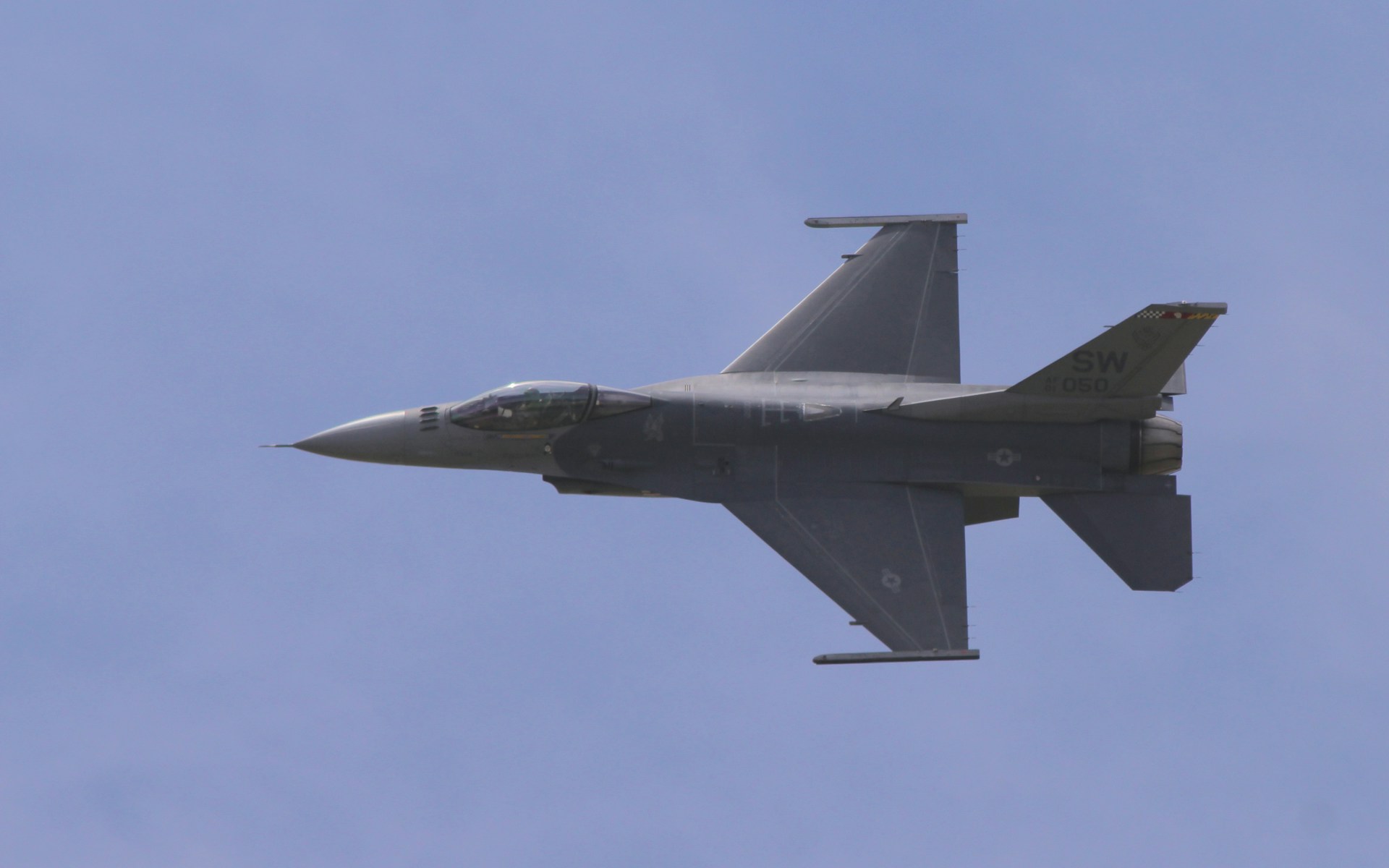
According to the North American Aerospace Defense Command (NORAD), an F-16 fighter jet intercepted a civilian aircraft at approximately 5:39 p.m. after it entered restricted airspace over the Clemson area.
The timing was particularly notable because Air Force One landed at Greenville-Spartanburg International Airport just seven minutes later.
Military officials confirmed that the civilian aircraft landed safely at a nearby airfield while remaining under NORAD surveillance.
Although authorities have not reported that the aircraft posed a deliberate threat to Trump, the incident demonstrated the extensive security measures surrounding presidential travel.
Fighter Jet Responds Just Minutes Before Trump’s Arrival
The military interception occurred during a critical period in the president’s scheduled visit.
White House travel reports show that Air Force One landed at approximately 5:46 p.m., shortly after NORAD responded to the unauthorized aircraft.
Trump exited Air Force One at approximately 6:08 p.m. before boarding Marine One for the remainder of his journey.
The presidential helicopter arrived near Clemson University’s T. Ed Garrison Arena at approximately 6:33 p.m.
Trump subsequently addressed supporters at the campaign rally that evening.
Despite the earlier security incident, the president’s appearance proceeded as scheduled.
NORAD did not publicly identify the pilot involved or indicate that the airspace violation was an intentional attempt to approach the president.
Nevertheless, the rapid interception illustrated how seriously military authorities treat unauthorized aircraft operating near presidential events.
Why Fighter Jets Were Deployed
The airspace surrounding presidential appearances is subject to strict federal security measures.
Before major events involving the commander in chief, the Federal Aviation Administration can establish temporary flight restrictions that limit civilian aircraft operations within designated areas.
These restrictions are intended to protect the president, other government officials, and people attending public gatherings.
Pilots are expected to review applicable flight restrictions before departing and remain aware of changing aviation notices.
When an aircraft enters restricted airspace without authorization, NORAD can dispatch fighter aircraft to investigate.
Military pilots may attempt to establish communication with the aircraft and direct its operator away from the protected area.
During Wednesday’s incident, NORAD deployed an F-16 to intercept the aircraft and monitored it until it landed safely.
The operation ended without any publicly reported injuries or damage.
NORAD Issues Warning To Civilian Pilots
Following the incident, NORAD emphasized the importance of following federal aviation restrictions.
The military organization advises pilots who are intercepted by fighter aircraft to establish communication using emergency aviation radio frequencies.
Pilots are also instructed to reverse course and comply with additional directions from military personnel.
Ignoring these instructions can lead to serious consequences.
Depending on the circumstances, individuals who violate temporary flight restrictions may be questioned by federal authorities after landing.
Further enforcement action is also possible.
These safeguards are especially important when the president is traveling, given the security responsibilities associated with protecting the nation’s highest elected office.
Officials had not publicly announced whether the pilot involved in the South Carolina incident would face penalties.
Another Aircraft Was Intercepted Near A Recent Trump Rally
The South Carolina incident followed another airspace violation connected to President Trump’s campaign travels.
On October 17, NORAD fighter aircraft intercepted a civilian plane near Cincinnati, Ohio, while Trump was participating in a rally at Northern Kentucky University.
Military officials said the aircraft had entered temporarily restricted airspace established around the presidential visit.
The responding fighter aircraft escorted the plane away from the protected area.
Similar incidents have occurred during other presidential appearances, including visits to New Jersey and Ohio.
Some previous interceptions involved military jets deploying flares to attract the attention of civilian pilots.
These incidents illustrate the challenges of enforcing temporary flight restrictions when the president travels to different communities across the country.
While such violations do not automatically indicate hostile intentions, they require a prompt response to ensure the security of protected airspace.
Trump Continues Campaigning Ahead Of Critical Midterm Elections
Wednesday’s rally came as Trump intensified his campaign appearances ahead of the November 3 midterm elections.
The president traveled to South Carolina to support Republican Senate candidate Darline Graham in her race against Democrat Annie Andrews.
With control of Congress at stake, the president’s campaign appearances have become important political events for Republicans seeking to maintain their congressional majorities.
High-profile rallies also create complex security requirements.
Federal authorities must coordinate protection for the president while accommodating thousands of supporters, campaign staff, local officials, and members of the news media.
That responsibility includes monitoring the airspace around rally locations and responding quickly when unauthorized aircraft enter restricted areas.
The military interception near Clemson demonstrated one aspect of that security operation.
Presidential Security Remains A Major Priority
Protecting the commander in chief involves extensive coordination among federal law enforcement agencies, military personnel, aviation authorities, and local officials.
The U.S. Secret Service oversees presidential protection, while NORAD is responsible for detecting and responding to potential airborne threats within its area of responsibility.
Together, these organizations help maintain the security necessary for presidential travel and public appearances.
The latest incident in South Carolina highlighted the importance of maintaining strict airspace restrictions during presidential visits.
An unauthorized aircraft entered a protected area, an American F-16 responded, and the plane ultimately landed safely.
Meanwhile, President Trump continued with his scheduled campaign appearance.
For Americans following presidential security, the incident offered another example of the military’s readiness to respond when restricted airspace surrounding the president is violated.
Although no intentional threat to Trump was announced, the rapid response demonstrated the measures in place to protect the president and the public during major political events.