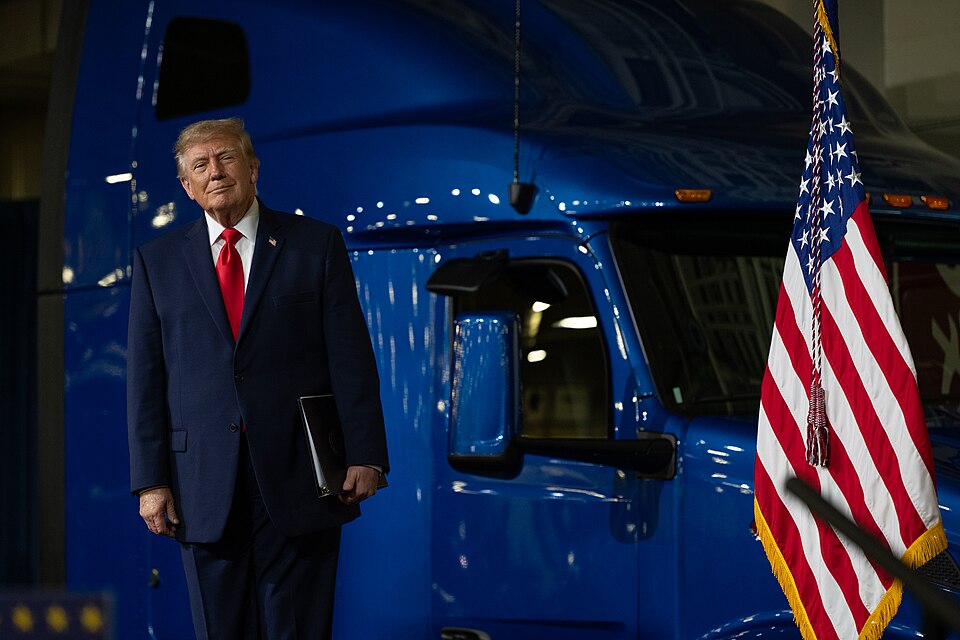
Here’s what the Trump administration just did.
The Trump administration is taking new steps to protect American military secrets, with Defense Secretary Pete Hegseth issuing a Pentagon directive that could bring serious consequences for U.S. troops who misuse sensitive government information.
The new rule prohibits military personnel and Defense Department civilian employees from using nonpublic information to place financial bets on military operations.
The October 20 directive specifically addresses online prediction markets, where individuals can wager on future events, including developments involving the U.S. military.
Hegseth warned that these transactions could expose sensitive military information to foreign adversaries, threaten American service members, and create dangerous conflicts of interest.
The move comes after a U.S. Army Special Forces soldier was accused of using inside information about an American military operation to collect hundreds of thousands of dollars in betting profits.
Pentagon Issues New Warning to American Troops
Under the new directive, military personnel and covered Defense Department employees are prohibited from using confidential or otherwise nonpublic government information to make financial bets.
The restriction includes classified intelligence and information that has not been publicly released, even when that information is not officially classified.
Hegseth specifically identified prediction-market platforms such as Polymarket and Kalshi.
These websites allow participants to trade contracts based on the likelihood of future events.
While prediction markets have expanded into politics, economics, and international affairs, military officials are increasingly concerned about wagers involving national security decisions.
The Pentagon’s directive makes clear that government employees cannot exploit privileged information about American military operations for personal financial gain.
It also reinforces the responsibility of those entrusted with sensitive information to safeguard it from misuse.
Hegseth Raises Concerns About National Security
One of the Pentagon’s biggest concerns involves the possibility that America’s enemies could monitor betting activity to uncover details about future military operations.
Foreign intelligence agencies do not necessarily need direct access to classified documents to gather useful information.
Unusual financial activity surrounding a potential military strike, troop deployment, or national security operation could provide clues about what American forces are preparing to do.
For example, a sudden surge in wagers predicting a particular military action could attract the attention of foreign intelligence analysts.
If those wagers were placed by someone with inside knowledge, the activity could reveal information that would otherwise remain protected.
Hegseth warned that America’s adversaries monitor such markets and could use trading patterns to anticipate military movements, targets, and timing.
For U.S. troops operating overseas, the consequences of exposed operational information could be severe.
The Pentagon’s position is that protecting American service members and preserving military security must take priority over any individual’s financial interests.
Military Betting Scandal Draws National Attention
The new directive follows a federal case involving an American Special Forces soldier accused of using classified information for financial gain.
Master Sgt. Gannon Ken Van Dyke was charged earlier this year in connection with wagers involving the U.S. operation to capture former Venezuelan President Nicolás Maduro.
According to federal allegations, Van Dyke used advance knowledge of the military mission to place bets predicting Maduro’s removal from power.
Authorities allege he wagered more than $32,500 and generated more than $400,000 in profits.
The transactions reportedly occurred shortly before the American operation became public.
Van Dyke has pleaded not guilty, and the accusations against him have not been established as facts in court.
Nevertheless, the case brought renewed attention to the potential security risks created when individuals with privileged military information participate in prediction markets.
It also raised concerns about whether financial incentives could encourage misconduct among people entrusted with protecting national security.
Violating the Rule Could Bring Serious Consequences
The Pentagon’s warning is backed by the possibility of disciplinary measures and criminal charges.
Service members who violate applicable restrictions could face consequences under the Uniform Code of Military Justice.
Defense Department civilian employees could also face administrative action or federal prosecution when warranted by the circumstances and applicable law.
The directive does not impose a blanket prohibition on every type of financial wager by military personnel.
Instead, it focuses on transactions involving nonpublic government information.
That distinction is important.
A service member making an ordinary lawful financial transaction is not necessarily violating the new directive.
However, using privileged knowledge about military activities to gain a financial advantage could trigger serious legal and professional consequences.
The Pentagon is emphasizing that access to sensitive information carries responsibilities that continue beyond an individual’s immediate military assignment.
Pentagon Warns Financial Interests Could Influence Military Decisions
Beyond the possibility of exposing confidential information, Hegseth identified another serious concern: personal financial interests could interfere with military judgment.
American military personnel are expected to make decisions based on lawful orders, mission requirements, and national security priorities.
But financial stakes tied to a military outcome could create an incentive for someone to favor one result over another.
For instance, an employee who has money riding on the timing of a military operation could face a conflict between professional responsibilities and personal financial interests.
Even the appearance of that conflict could undermine confidence in the decision-making process.
The Pentagon’s directive addresses these risks by reinforcing the separation between official military responsibilities and personal financial activity involving sensitive information.
White House Has Also Addressed Prediction-Market Concerns
The issue is not limited to the Pentagon.
Earlier this year, concerns emerged after newly created prediction-market accounts reportedly made substantial profits from well-timed wagers involving a potential ceasefire between the United States and Iran.
The timing of the transactions prompted questions about whether some participants possessed information unavailable to the public.
Those suspicions, by themselves, did not establish that the traders had illegally obtained inside information.
Nevertheless, the White House warned employees against using private government information for prediction-market transactions.
The developments demonstrate how quickly the expansion of online betting platforms has introduced new questions about ethics, accountability, and the protection of sensitive government information.
What Trump’s New Military Rule Means Going Forward
The directive represents an additional step by the Trump administration to address the risks associated with prediction markets and confidential military information.
For most American troops, the rule reinforces existing expectations about military discipline, professional responsibility, and the protection of government secrets.
Its broader importance lies in recognizing that financial trading activity can create security concerns even when no classified document is directly disclosed.
As prediction markets continue to expand, military officials face increasing pressure to ensure that sensitive government information cannot be exploited for personal profit.
The Pentagon has now made its position explicit: Military personnel and covered defense employees must not use nonpublic information to make financial bets involving American military operations.
The bottom line: The Trump administration’s new directive is intended to protect U.S. military operations, discourage insider betting, and reinforce accountability across the Defense Department. Personnel who violate the restrictions could face disciplinary action or criminal prosecution, depending on the circumstances.