This was shocking.
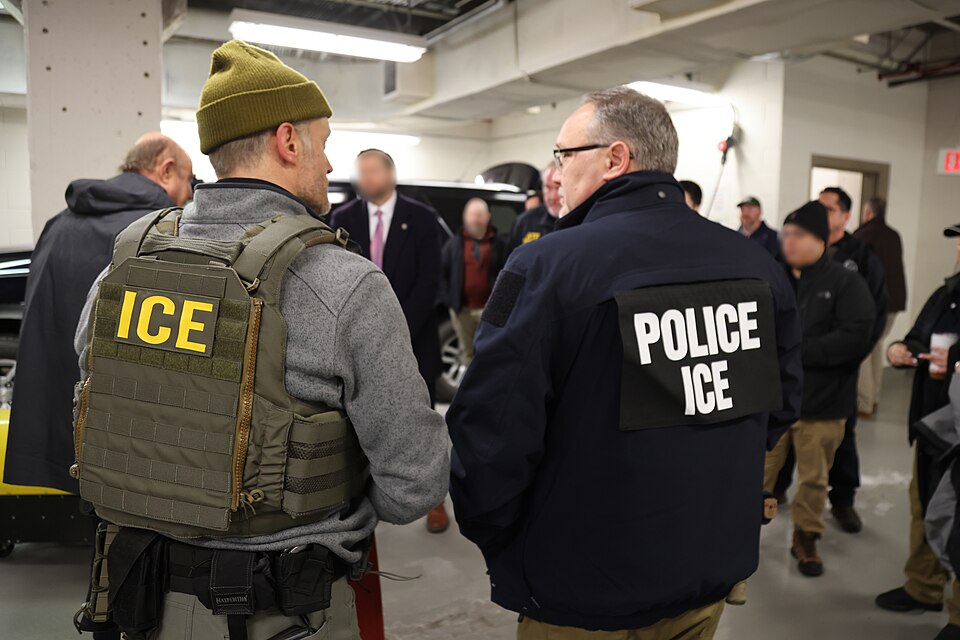
President Donald Trump’s Department of Homeland Security (DHS) is facing a serious cybersecurity crisis after hackers reportedly exposed information belonging to more than 41,000 federal employees and contractors, including immigration officers whose identities had previously been kept confidential.
The massive security breach has raised troubling questions about the safety of federal law enforcement personnel and the government’s ability to protect sensitive information.
The stolen records reportedly include employees from Immigration and Customs Enforcement (ICE), Customs and Border Protection (CBP), and other agencies responsible for protecting America’s borders and enforcing federal laws.
Now, concerns are growing that the exposed information could place officers and their families at risk.
Hackers Expose Thousands Of Federal Agents
According to multiple reports, a hacking group calling itself the Department of Peace claimed responsibility for obtaining the government records.
The information was published online October 28, making details about thousands of federal workers available through a searchable database.
The exposed records reportedly contain employee names, government email addresses, telephone numbers, job titles, workplace locations, and internal agency assignments.
Among the affected personnel are officers connected to sensitive investigations and undercover law enforcement operations.
The scale of the incident is particularly concerning.
Approximately 21,000 records were reportedly associated with Customs and Border Protection, while thousands more involved ICE employees.
Other affected agencies include U.S. Citizenship and Immigration Services and the Cybersecurity and Infrastructure Security Agency.
Although not every record has been independently verified, federal officials have acknowledged the potential breach and are investigating its consequences.
Trump Officials Warn About Threats To Officers
The Trump administration has expressed serious concerns about the possible dangers created by the disclosure.
White House border official Tom Homan condemned the release of federal officers’ identities, warning that immigration agents and their families could face additional threats.
Homan emphasized that ICE personnel perform difficult and sometimes dangerous jobs while carrying out federal immigration laws.
He also said the Justice Department was investigating the incident.
The concerns extend beyond harassment.
Security experts warn that exposing the identities and assignments of law enforcement officers could interfere with ongoing investigations, compromise undercover activities, and make federal workers vulnerable to impersonation attempts.
For employees involved in sensitive operations, maintaining confidentiality can be an essential part of their work.
DHS Takes Action Following Security Breach
The Department of Homeland Security has acknowledged reports of a potential breach and said it is working to address the situation.
Officials have also attempted to limit the distribution of the exposed records.
According to Reuters, DHS worked through cybersecurity firm ZeroFox to request that an Icelandic hosting provider restrict access to the leaked information.
The request warned that publication of the records could expose federal employees to harassment, stalking, and potential physical harm.
However, the hosting provider declined to remove the information, arguing that the published records primarily contained professional contact details rather than private residential information.
That disagreement highlights the controversy surrounding the release.
While the hackers claim their actions promote government transparency, federal officials warn that publishing information about officers involved in sensitive investigations can create substantial security risks.
Cybersecurity Investigation Raises New Questions
Investigators are also examining how the attackers reportedly obtained access to the government information.
The hacking group claimed it accessed records associated with a single sign-on system used by DHS employees to reach government applications.
The system is connected to technology provided by Okta, a company specializing in identity and access management.
However, Okta has stated that it found no evidence that its own systems or data were compromised.
The precise method used to obtain the records remains under investigation.
Cybersecurity specialists say incidents involving employee information can be particularly damaging because attackers may use workplace details to conduct convincing phishing schemes or impersonate legitimate government personnel.
Such attacks can potentially provide opportunities to access additional accounts or sensitive systems.
Reports Of Online Threats Increase Concerns
The situation became more alarming as reports emerged about threatening online reactions following the disclosure.
An October 30 report from The Washington Post described findings from SITE Intelligence Group, which monitors extremist activity and online threats.
According to the report, some social media accounts circulated threatening statements directed at immigration officers and their families after the records became public.
The findings do not establish that every affected employee faces an immediate danger.
Nevertheless, they demonstrate why federal officials are concerned about information that could make officers easier to identify or target.
Former acting ICE Director John Sandweg has also warned about the potential damage to undercover operations and investigations involving criminal organizations.
The risks could extend beyond individual employees to confidential sources and ongoing federal cases.
What Does This Mean For National Security?
The latest incident has renewed concerns about cybersecurity across the federal government.
Agencies responsible for immigration enforcement, border security, and criminal investigations routinely handle sensitive personnel information.
If that information is improperly accessed, the consequences can extend beyond the immediate exposure of employee records.
Security professionals caution that attackers may use leaked workplace details to identify agency relationships, target particular employees, or develop additional cyberattacks.
The incident also comes amid broader concerns about attempted intrusions involving other federal agencies.
For the Trump administration, protecting government systems and the employees who depend on them presents an important security challenge.
What Happens Next For The Trump Administration?
Federal investigators must now determine exactly how the information was obtained, whether additional records were compromised, and what protections are needed for affected personnel.
Questions also remain about the completeness and accuracy of the leaked database.
Meanwhile, DHS faces the challenge of protecting employees whose information may remain accessible online.
The controversy has also renewed debate over government transparency, the privacy of federal employees, and the security precautions necessary for immigration enforcement operations.
Although the hackers described their actions as an effort to increase accountability, the unauthorized release of government records has created concerns that go well beyond political disagreements.
The biggest question now is whether federal authorities can prevent additional exposure of sensitive information while protecting the officers responsible for enforcing America’s laws.
As the investigation continues, the Department of Homeland Security’s response will remain under close scrutiny, particularly as federal officials work to determine the full consequences of one of the most significant reported personnel data leaks involving the agency.