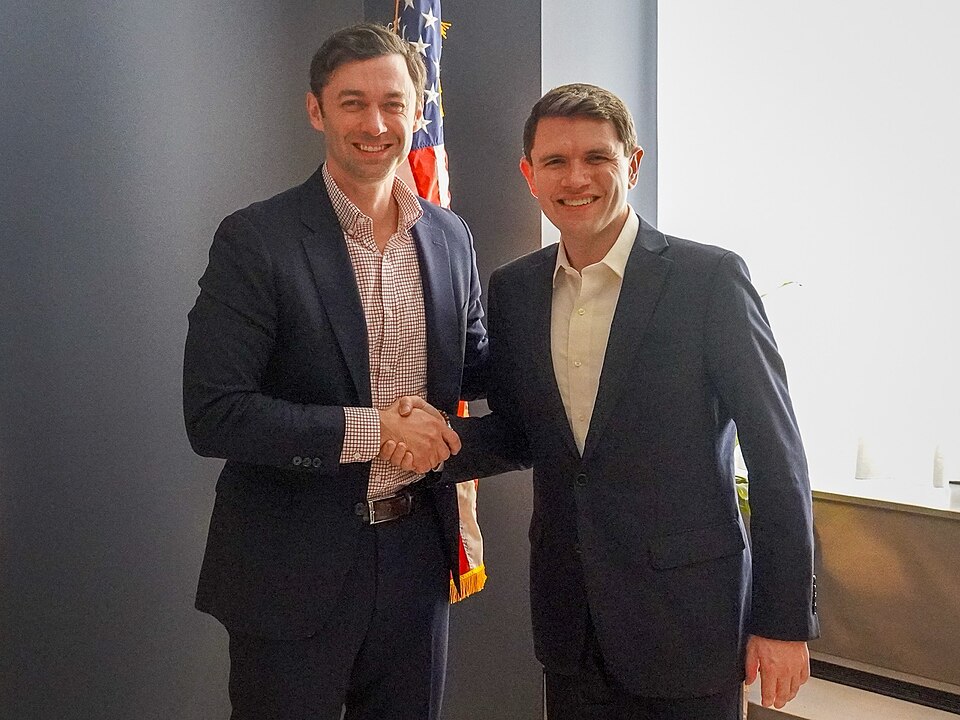
The 2028 presidential election may still be nearly two years away, but speculation is already mounting over who could become the next Democratic nominee for president.
Texas Democratic Senator-elect James Talarico is now finding himself at the center of that conversation following a surprising suggestion from CNN conservative political commentator Scott Jennings.
Jennings suggested that Talarico should consider running for president in 2028 following his victory in the midterm elections. He also encouraged Mississippi Democratic Senator-elect Scott Colom to consider a White House campaign.
The remarks highlight growing speculation about the future of the Democratic Party and the challenges Republicans could face heading into the next presidential election.
Scott Jennings Makes Surprising Presidential Suggestion
During an appearance on CNN, Jennings pointed to the political significance of Democrats winning Senate races in states traditionally dominated by Republicans.
Talarico defeated Republican Texas Attorney General Ken Paxton in a closely watched Senate contest that attracted considerable national attention.
Meanwhile, Colom defeated Republican Sen. Cindy Hyde-Smith in Mississippi, securing another significant victory for Democrats.
The election results have prompted discussions about whether Democrats who demonstrate an ability to compete in Republican strongholds could become viable national candidates.
However, Jennings’ remarks should not be confused with a political endorsement. His comments focused on electoral strategy and the potential opportunities available to both Democrats.
Neither Talarico nor Colom has officially announced a campaign for president.
Democrats Already Looking Toward 2028
With President Donald Trump’s second term scheduled to conclude in January 2029, attention is gradually turning toward the next race for the White House.
Several prominent Democrats have already been mentioned as potential presidential contenders, including California Gov. Gavin Newsom, New York Rep. Alexandria Ocasio-Cortez and Georgia Sen. Jon Ossoff.
Talarico’s emergence in that conversation could add another dimension to an increasingly competitive Democratic field.
Nevertheless, considerable differences exist between winning a statewide Senate race and securing a presidential nomination.
A successful presidential campaign requires substantial fundraising, nationwide organization and the ability to attract support from voters across a wide range of political backgrounds.
Candidates must also defend their records on issues such as immigration, national security, taxation, healthcare and government spending.
Those challenges could become particularly important for Talarico as he begins his career in the United States Senate.
Republicans Prepare for the Next Political Battle
The possibility of emerging Democratic presidential candidates underscores the importance of the next two years for both major political parties.
Affordability, border security, energy independence, federal spending and the strength of the American economy are likely to remain central issues in Washington.
Social Security, Medicare and the rising cost of everyday necessities could also play significant roles in determining voter priorities ahead of 2028.
Republican leaders will have opportunities to present their policy proposals, examine the lessons of the midterm elections and begin developing their strategy for the next presidential contest.
Meanwhile, newly elected Democrats will face increased scrutiny as they establish their voting records in Congress.
Campaign promises are one thing, but legislative decisions provide voters with a clearer understanding of where elected officials stand on important national issues.
Could Talarico Really Become President?
One of the biggest questions surrounding a potential Talarico presidential campaign is whether he would pursue higher office so soon after being elected to the Senate.
The Texas Democrat has yet to establish a voting record in the upper chamber of Congress, making it difficult to assess how his legislative performance might influence a future presidential campaign.
Voters would also have an opportunity to examine his positions on the economy, immigration, religious liberty, constitutional protections and America’s role on the world stage.
The political environment could change considerably before the 2028 presidential primaries begin.
Economic conditions, congressional accomplishments, international developments and the performance of the Trump administration could all influence the direction of the next election.
For now, Jennings’ suggestion remains political speculation rather than an official indication that Talarico intends to seek the presidency.
Whether the Texas Democrat ultimately sets his sights on the White House or concentrates on his responsibilities in the Senate remains an open question.
One thing is increasingly clear: the political conversation surrounding the 2028 presidential election is already underway.