This was unexpected.
A Republican lawmaker is drawing attention after publicly criticizing President Donald Trump’s energy strategy during the ongoing geopolitical tensions involving Iran and global oil markets.
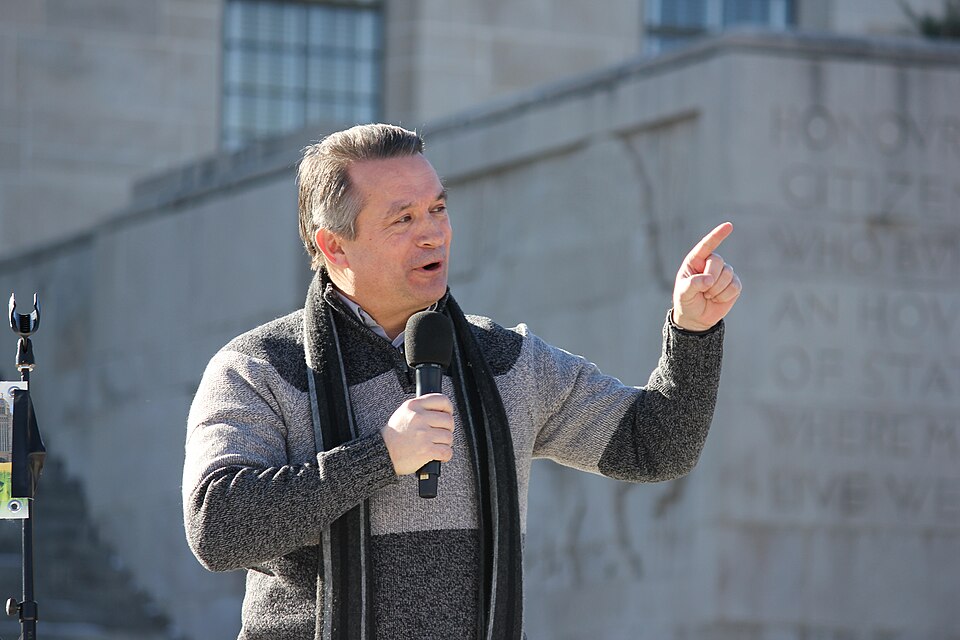
Rep. Don Bacon (R-NE), a retired U.S. Air Force general who is preparing to leave Congress, sharply criticized a recent decision by the Trump administration to temporarily ease certain oil sanctions on Russia. The move was designed to stabilize global energy supplies and prevent major spikes in gasoline prices as the United States continues military operations connected to the Iran conflict.
The debate highlights growing tensions in Washington over how to balance energy stability, foreign policy pressure, and rising fuel costs for American families.
Trump Administration Moves To Stabilize Energy Markets
Earlier this week, Treasury Secretary Scott Bessent announced the administration’s decision to allow limited transactions involving Russian oil shipments that are already in transit through global markets.
According to the Treasury Department, the temporary authorization will allow certain countries to purchase Russian oil that had already been loaded onto ships but was effectively stranded due to existing sanctions.
Administration officials said the decision is intended to prevent supply disruptions that could drive oil prices sharply higher, especially during a period of increased instability in the Middle East.
In a public statement explaining the policy, Bessent said President Trump is taking “decisive steps to promote stability in global energy markets.”
He emphasized that the move is temporary and narrowly targeted, applying only to oil shipments already moving through international waters.
The administration also argued the measure is unlikely to provide meaningful financial benefits to the Russian government.
Officials noted that most Russian energy revenue comes from taxes collected during oil extraction, meaning oil already in transit provides far less direct income to Moscow.
The policy, according to Treasury officials, is meant to maintain supply levels and keep fuel prices manageable for consumers worldwide, including Americans already facing higher gas costs.
Republican Lawmaker Pushes Back
Despite the administration’s explanation, Rep. Bacon quickly voiced strong opposition.
After sharing Bessent’s announcement on social media, the Nebraska Republican accused the administration of sending the wrong message regarding Russia.
Bacon argued the move risks indirectly helping Moscow while its military campaign in Ukraine continues.
“The White House is weak on Russia,” Bacon wrote in a statement posted online.
He went on to suggest the policy reflects what he described as “moral blindness” toward Russia, claiming many Americans would find the decision troubling.
The lawmaker later reinforced his criticism while sharing a news report on the policy, arguing that easing restrictions on Russian oil could provide financial breathing room for the Kremlin.
Energy Strategy Under Global Pressure
The disagreement reflects a broader policy challenge facing U.S. leaders as geopolitical conflicts continue to disrupt energy markets.
Global oil prices have already been volatile amid rising tensions in the Middle East, including attacks on shipping lanes and concerns about potential disruptions to supply routes such as the Strait of Hormuz, one of the world’s most important oil transit corridors.
Analysts say even minor supply shocks can send fuel prices climbing quickly, especially during periods of international conflict.
The Trump administration has argued that maintaining stable energy supplies is essential to protecting American consumers and preventing economic shocks.
Officials say the limited sanctions adjustment is part of a short-term strategy designed to keep global markets calm while broader geopolitical issues are addressed.
Previous Sanctions Flexibility During Conflict
The temporary authorization is not the first time the Trump administration has adjusted sanctions policy during the current crisis.
Earlier in the conflict, the United States granted India a waiver allowing continued purchases of Russian oil, a decision officials said was necessary to maintain balance in global energy supply.
While critics argued the move weakened pressure on Moscow, administration officials defended it as a practical step aimed at preventing sudden disruptions in international oil markets.
Energy experts note that global supply chains are highly interconnected, meaning sanctions policies can sometimes produce unintended consequences for fuel prices and economic stability.
Divisions Inside Washington Continue
Rep. Bacon has frequently expressed concerns about Trump’s approach to Russia and its leader, Vladimir Putin.
At the same time, the Nebraska Republican has strongly supported the administration’s aggressive stance toward Iran’s government, including calls for major political changes within the Iranian regime.
The clash highlights how foreign policy debates within Washington often involve competing priorities — balancing national security, global diplomacy, economic stability, and energy independence.
With tensions in the Middle East continuing and global oil markets under pressure, policymakers across both parties are likely to keep debating how best to protect American interests while managing international conflicts.
For now, the Trump administration maintains that its limited sanctions adjustment is a targeted and temporary step designed to keep energy markets stable and protect consumers from dramatic fuel price spikes.