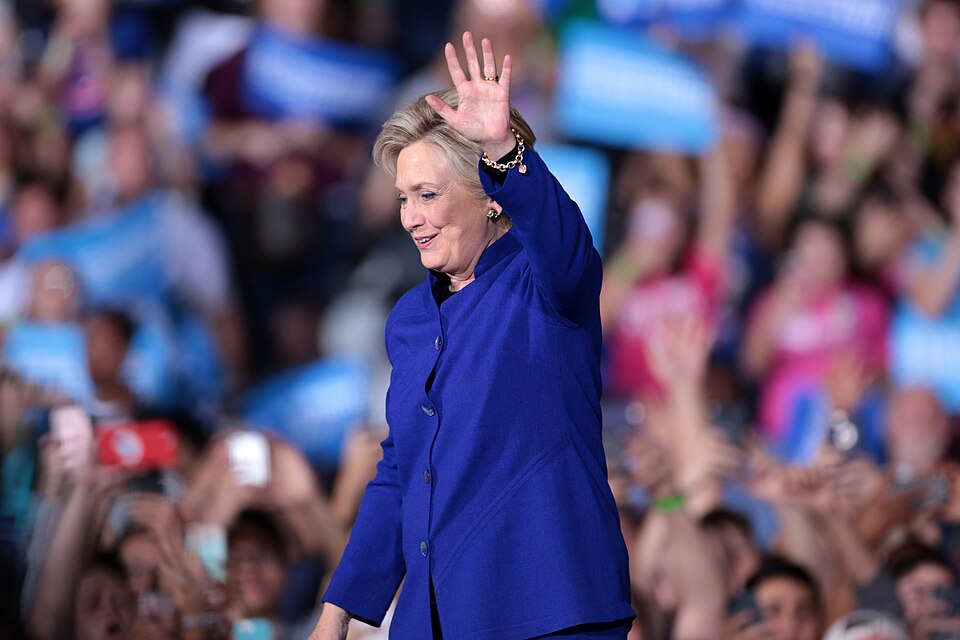
Former Secretary of State Hillary Clinton is officially entering the 2026 midterm campaign conversation, announcing her first endorsement of a House or Senate candidate this election cycle.
Clinton endorsed Minnesota Lt. Gov. Peggy Flanagan in the state’s U.S. Senate race, giving Flanagan another high-profile Democratic supporter as the November elections move closer.
The endorsement is significant because Clinton has remained one of the Democratic Party’s most recognizable national figures since her 2016 presidential campaign against Donald Trump. Her decision to back Flanagan also highlights the growing national attention surrounding key Senate contests that could influence control of Congress.
Hillary Clinton Endorses Peggy Flanagan
Flanagan announced Clinton’s support on social media Wednesday, saying she was honored to receive the endorsement.
She pointed to Clinton’s decades of public service and her work on issues involving children, families and economic opportunity.
Clinton responded with a message urging Minnesota voters to consider Flanagan for the Senate seat, praising her record in public service and her work on behalf of families.
The endorsement marks Clinton’s first publicly announced endorsement of a congressional candidate in the 2026 election cycle.
A Shared Background in Children’s Advocacy
Clinton and Flanagan share a connection through the Children’s Defense Fund.
Flanagan previously served as executive director of the organization’s Minnesota chapter before entering elected office. She later won a seat in the Minnesota House of Representatives and eventually became lieutenant governor.
Clinton also worked with the Children’s Defense Fund early in her career, years before becoming first lady, a U.S. senator, secretary of state and the Democratic Party’s 2016 presidential nominee.
In comments accompanying the endorsement, Clinton highlighted Flanagan’s work on issues affecting children and families and argued that she would continue that advocacy in the U.S. Senate.
Clinton Uses Endorsement to Criticize Trump
Clinton also used the announcement to criticize President Donald Trump’s economic policies.
She argued that American families are dealing with higher costs for necessities such as groceries, health care, child care and gasoline, and blamed several Trump administration policies for contributing to those pressures.
Clinton specifically criticized tariffs, federal budget priorities and the ongoing conflict involving Iran.
Her comments bring renewed attention to the long-running political rivalry between Clinton and Trump, nearly a decade after Trump defeated her in the 2016 presidential election.
Affordability has become a major issue in the 2026 midterms, with both parties attempting to convince voters that their economic policies offer the best path forward.
Republicans have defended Trump’s economic agenda and have emphasized issues including border security, energy production, taxes and federal spending. Democrats, meanwhile, have increasingly focused their campaign messaging on the cost of living and household expenses.
Flanagan Has Support From Major Democratic Figures
Clinton is the latest prominent Democrat to back Flanagan.
The Minnesota lieutenant governor has already received endorsements from several well-known progressive lawmakers, including Vermont Sen. Bernie Sanders.
Sanders famously challenged Clinton for the Democratic presidential nomination in 2016, making their support for the same Senate candidate a notable example of different wings of the Democratic Party lining up behind Flanagan.
Other supporters include Sens. Elizabeth Warren, Ed Markey and Chris Van Hollen, as well as Reps. Ilhan Omar, Ro Khanna and Ayanna Pressley.
The growing list of endorsements demonstrates how much national Democratic support Flanagan has attracted as the campaign enters its final stretch.
Peggy Flanagan Faces Michele Tafoya
Flanagan is running against Republican Michele Tafoya in Minnesota’s Senate election.
The race is being closely watched as Republicans and Democrats compete for seats that could determine which party controls the Senate.
Decision Desk HQ, The Hill’s election forecasting partner, currently estimates that Flanagan has an 84 percent probability of winning the race, while Tafoya has a 16 percent probability.
Election forecasts are not guarantees. Those projections can change based on polling, voter turnout, campaign developments, debates, advertising and other factors before Election Day.
That uncertainty makes the final weeks of the campaign especially important for both candidates.
Democrats Bring Out Their Biggest Names
Clinton’s involvement comes as other major Democratic figures increase their activity ahead of the midterms.
Former Vice President Kamala Harris has endorsed several Democratic candidates and recently campaigned with Michigan Senate candidate Abdul El-Sayed.
Former President Barack Obama has also become involved in congressional races. He is expected to campaign with El-Sayed in Detroit and has endorsed Democratic candidates in other states, including Iowa Senate candidate Josh Turek.
The growing involvement of Clinton, Obama and Harris suggests Democrats are turning to nationally recognized political figures to energize supporters and attract attention to competitive races.
Republicans may also use those appearances to argue that Democratic candidates remain closely tied to the party’s longtime national leadership.
Why the Minnesota Senate Race Matters
Senate elections often receive national attention because a small number of races can determine which party controls the chamber.
A Senate majority affects legislation, federal spending, judicial confirmations, presidential appointments and the broader political agenda in Washington.
That makes races such as Minnesota’s important well beyond state borders.
Both parties are expected to invest heavily in voter outreach, campaign advertising and high-profile appearances during the final weeks before the election.
Clinton’s endorsement adds another national figure to that battle.
Clinton and Trump Remain Political Rivals
The endorsement also gives Clinton another opportunity to publicly challenge Trump.
Their political rivalry dates back to the 2016 presidential campaign, one of the most closely followed elections in modern American politics.
Trump’s victory reshaped the Republican Party and dramatically changed the country’s political landscape, while Clinton remained active in Democratic politics through speeches, endorsements and public commentary.
Ten years later, their disagreements continue to influence national political debate.
Clinton’s decision to criticize Trump’s economic record while endorsing Flanagan demonstrates how former presidential candidates can continue playing influential roles even after leaving the campaign trail themselves.
What Happens Next
With Election Day approaching, endorsements from national political figures are likely to become increasingly common.
Candidates will attempt to use those endorsements to attract donors, energize supporters and increase media attention.
At the same time, voters will ultimately evaluate a much broader range of issues, including inflation, immigration, health care, taxes, energy costs, foreign policy and public safety.
For Flanagan, Clinton’s endorsement adds another recognizable name to an already extensive list of Democratic supporters.
For Republicans, the endorsement could offer an opportunity to sharpen their contrast with Democratic leadership and national party figures.
Either way, Minnesota’s Senate contest is becoming another example of how state races can quickly turn into national political battles when control of Congress is at stake.
As November approaches, voters will have the final say on whether endorsements from figures such as Hillary Clinton make a meaningful difference at the ballot box.