This can’t happen.
A federal judge has dealt the Trump administration a setback on border security, temporarily blocking construction activity in a sensitive section of the Texas-Mexico border.
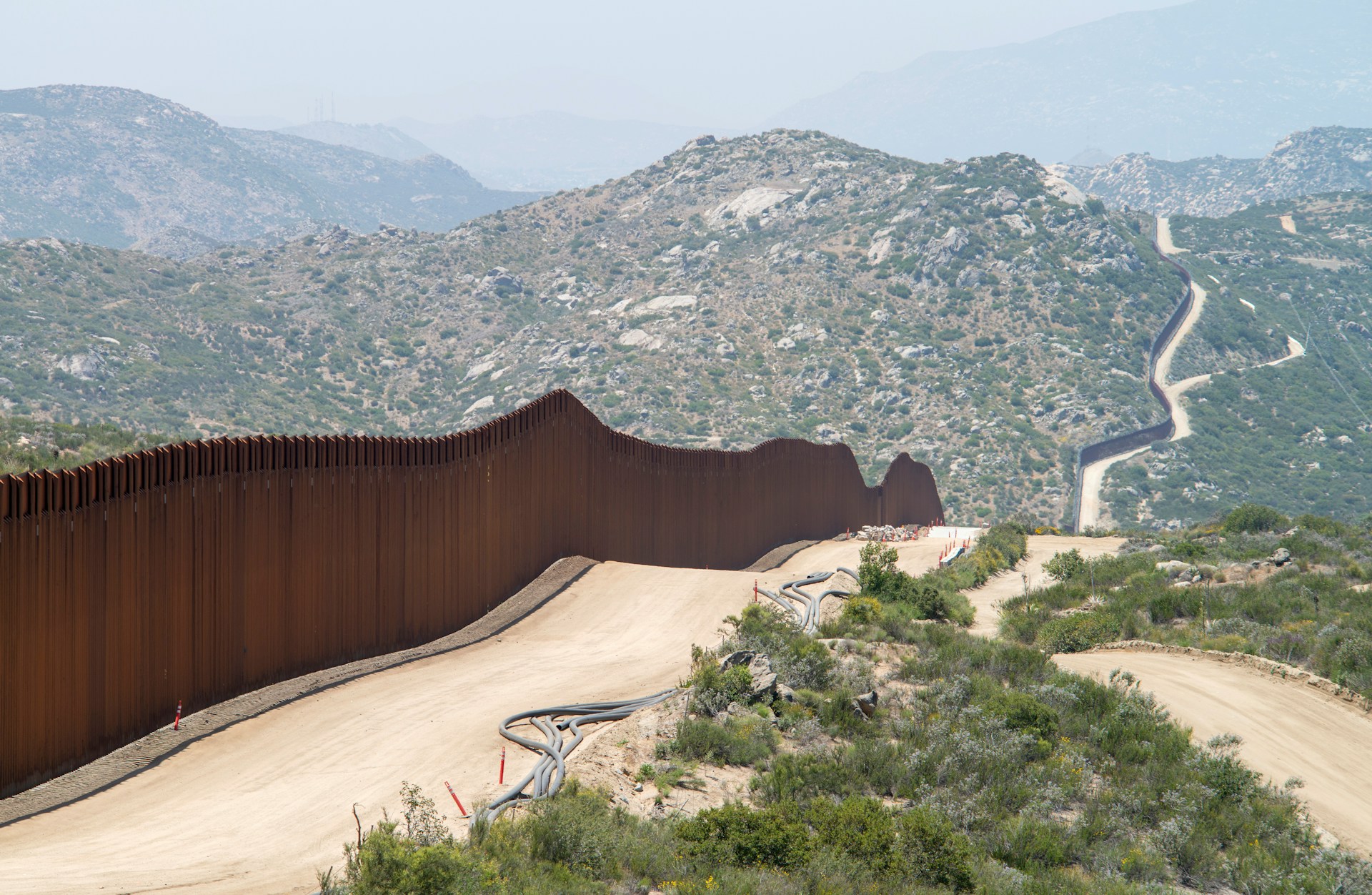
The ruling affects planned work in the Big Bend region of West Texas, an area that includes rugged desert terrain, private property and land surrounding Big Bend National Park.
U.S. District Judge Kathleen Cardone, who was appointed by former President George W. Bush, issued an injunction Friday preventing the administration from moving ahead with certain border barriers and related construction while a lawsuit challenging the project continues.
The order prohibits federal officials from building covered border infrastructure or conducting ground-disturbing construction in the affected area.
Although the decision has been described by opponents as a major victory, it does not permanently cancel President Donald Trump’s broader border wall program. Instead, it places the disputed Big Bend construction on hold while the courts examine whether the administration followed federal law.
Judge Says Construction Could Cause Irreparable Harm
In her ruling, Cardone concluded that the groups challenging the project had demonstrated a strong enough case to justify temporarily stopping construction.
The judge wrote that the plaintiffs were likely to succeed on at least one of their legal claims and could suffer serious and irreversible harm if construction continued before the case was resolved.
She also determined that the balance of public interests favored issuing an injunction.
The ruling creates another legal challenge for the Trump administration as it works to expand immigration enforcement and border infrastructure along the southern border.
Border security has remained one of Trump’s signature political issues, and his administration has repeatedly argued that additional physical barriers, roads and technology are necessary to control illegal crossings and improve enforcement.
Big Bend Border Plans Spark Bipartisan Concerns
Unlike many disputes surrounding immigration policy, opposition to construction in the Big Bend region has crossed traditional political lines.
Some Republicans, Democrats, local residents, environmental organizations and landowners have questioned whether extensive barriers are necessary in the remote region.
Big Bend is dramatically different from heavily populated border areas such as El Paso or San Diego.
The landscape includes mountains, canyons, desert and long stretches of difficult terrain. Critics of additional construction argue that these natural features already create significant obstacles for illegal crossings.
Others are concerned about the potential economic and environmental consequences of large-scale construction.
Big Bend National Park attracts visitors from across the United States and plays an important role in the tourism economy of surrounding West Texas communities.
Opponents have warned that roads, fencing and heavy construction equipment could damage wildlife habitat, alter views and affect private property.
Supporters of stronger border enforcement, however, argue that difficult terrain does not eliminate the need for federal security measures.
Trump Administration Previously Waived Environmental Rules
Earlier in 2026, the Department of Homeland Security moved to accelerate construction in the Big Bend sector by waiving several environmental requirements.
Then-Homeland Security Secretary Kristi Noem approved the waivers as part of the administration’s effort to move border infrastructure projects forward more quickly.
Federal law gives the government significant authority to waive certain regulations when officials determine they interfere with the construction of border barriers and related security projects.
Those waivers can cover environmental reviews and other requirements that could otherwise delay construction for months or years.
Supporters of the policy say the federal government needs flexibility to respond rapidly to border-security concerns.
Critics contend that bypassing environmental laws can prevent communities and property owners from receiving adequate input before construction begins.
The legality and scope of those waivers have now become part of the broader court battle.
No Massive Wall Planned Inside Big Bend National Park
The Trump administration has said it does not intend to build a massive traditional border wall directly through Big Bend National Park.
However, federal agencies have pursued other infrastructure projects in the wider Big Bend sector.
Those plans have included roads, barriers and additional construction designed to support Border Patrol operations.
Federal planning documents have also indicated that wall construction could remain possible in other portions of the region outside the national park.
Friday’s court order stops covered construction activity while litigation proceeds, potentially delaying at least part of the administration’s timetable.
Customs and Border Protection Responds
Customs and Border Protection defended the administration’s position following the ruling.
The agency said it remains confident that federal officials have the authority to protect the southern border while preserving the distinctive environment of the Big Bend region.
A CBP spokesperson said the agency was consulting with the Department of Justice regarding its next steps.
That could include appealing the injunction, modifying parts of the project or continuing to defend the administration’s authority in federal court.
The legal battle is therefore unlikely to end with Friday’s decision.
Environmental Groups Celebrate Court Victory
Organizations opposing the construction quickly praised the ruling.
Laiken Jordahl, a national public lands advocate with the Center for Biological Diversity, called the decision a major victory for people concerned about protecting the Big Bend region.
The organization argues that border construction could permanently damage environmentally sensitive land surrounding one of America’s best-known national parks.
Environmental advocates are also seeking restoration of protections that were affected when the federal government waived certain environmental laws.
The court’s decision gives those groups an important temporary victory, but the underlying lawsuit remains unresolved.
What Happens Next?
The Trump administration still has several legal options.
Federal attorneys could ask a higher court to overturn or narrow Cardone’s injunction. The administration could also revise aspects of its construction proposal in an attempt to address the concerns raised by the court.
Meanwhile, the lawsuit challenging the project will continue.
That means the ultimate future of border construction in the Big Bend region remains uncertain.
The case could eventually determine how much authority the executive branch has to move quickly on border infrastructure when federal environmental protections and public lands are involved.
Border Security Remains a Major National Issue
The dispute arrives as immigration and border security remain major issues heading into the 2026 midterm elections.
Trump has made tougher border enforcement a central part of his presidency, arguing that the federal government must have the tools necessary to prevent illegal immigration, drug trafficking and other cross-border crime.
At the same time, even some people who support stronger border enforcement have questioned whether every part of the southern border requires the same type of physical barrier.
Big Bend has become a particularly important example of that debate because of its unique geography.
Supporters of construction emphasize national security and enforcement.
Opponents emphasize property rights, environmental protections, tourism and the unusual landscape of West Texas.
Those competing concerns will now be examined in federal court.
For the moment, construction covered by the judge’s order must stop.
But with the Trump administration standing by its legal authority and considering its next steps, the battle over the Big Bend border project appears far from finished.