This was a bogus ruling!
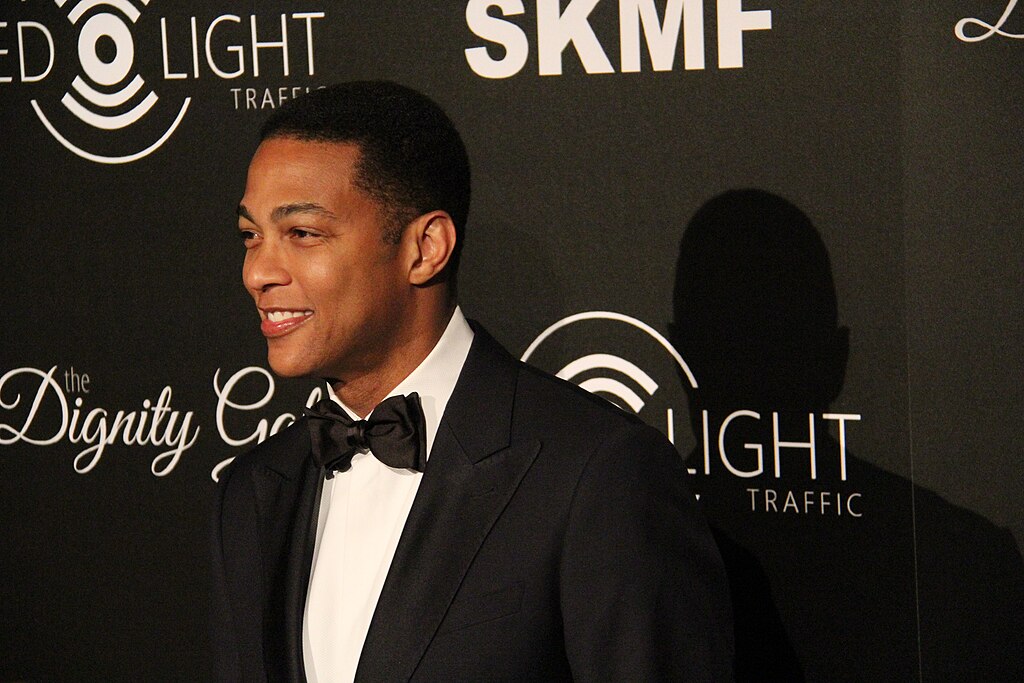
A federal appeals court has dealt a setback to the Trump administration after rejecting an unusual Justice Department request to immediately arrest former CNN host Don Lemon and four others tied to a recent church disruption in Minnesota.
The unanimous ruling, issued by a three-judge panel on the Eighth Circuit Court of Appeals and unsealed over the weekend, declined the government’s push to take Lemon into custody following a January 18 protest inside Cities Church in St. Paul.
The panel included Judge Jane Kelly, appointed under President Obama, alongside Trump-appointed judges Steven Grasz and Jonathan Kobes. While all three agreed to deny the request, Judge Grasz wrote separately to clarify that prosecutors had demonstrated probable cause — but failed to show that immediate arrests were the only available legal option.
Federal prosecutors initially sought warrants for eight individuals linked to the church incident. However, U.S. Magistrate Judge Douglas Micko approved arrest warrants for only three suspects and advised the Justice Department to pursue grand jury indictments for the remaining individuals, including Lemon.
Rather than following that established path, prosecutors asked Minnesota’s chief U.S. district judge, Patrick Schiltz, to intervene and override the magistrate’s decision — a move Schiltz described as highly unusual.
In a sharply worded letter to Eighth Circuit Chief Judge Steven Colloton, Schiltz said he consulted longtime judges in the district, some with decades on the bench, and none could recall such a request ever being made.
Schiltz explained that when prosecutors disagree with a magistrate judge’s ruling, they typically revise their warrant application or seek a grand jury indictment — not emergency judicial intervention.
The Minnesota judge also noted that a planned judicial meeting had been delayed due to security concerns, citing the presence of Vice President JD Vance and Attorney General Pam Bondi in Minneapolis at the time.
Responding to Justice Department arguments that failing to arrest Lemon and others could encourage copycat church disruptions, Schiltz questioned the logic. He pointed out that alleged organizers of the incident had already been arrested and that their cases had received widespread attention.
According to court filings, none of the five individuals the government seeks to arrest are accused of physical violence. The most serious allegations involve disruptive speech inside the church.
“There is no immediate emergency,” Schiltz wrote, noting that law enforcement could instead ensure the church’s safety through direct protection measures.
The three individuals already arrested — Nekima Levy Armstrong, Chauntyll Louisa Allen, and William Kelly — face charges related to interfering with others’ right to worship.
Meanwhile, Assistant Attorney General for Civil Rights Harmeet Dhillon said on The Megyn Kelly Show that the Justice Department is evaluating whether the federal FACE Act — a 1990s law that also applies to religious settings — could be used in future prosecutions.
For now, the appeals court decision represents a notable judicial rebuke of the Justice Department’s approach and underscores growing tension between federal prosecutors and the courts over how far enforcement powers should extend in politically sensitive cases.