Their recent comments have stirred the pot.
Elon Musk, the tech mogul and close ally of President-elect Donald Trump, recently found himself in the midst of a heated dispute with members of the MAGA movement over the future of the H-1B visa program. Musk, alongside Vivek Ramaswamy, co-chair of the Department of Government Efficiency (DOGE), argued that the program—which allows highly skilled foreign workers to enter the U.S. on employer-sponsored visas—is vital to maintaining America’s competitive edge in global innovation.
The disagreement erupted just after Christmas, when Musk took to social media to argue that attracting the top 0.1% of engineering talent from around the world is essential for America’s continued success. “We need to bring in the best talent to stay ahead,” Musk posted on X, emphasizing that this is akin to a sports team recruiting elite athletes to enhance their performance.
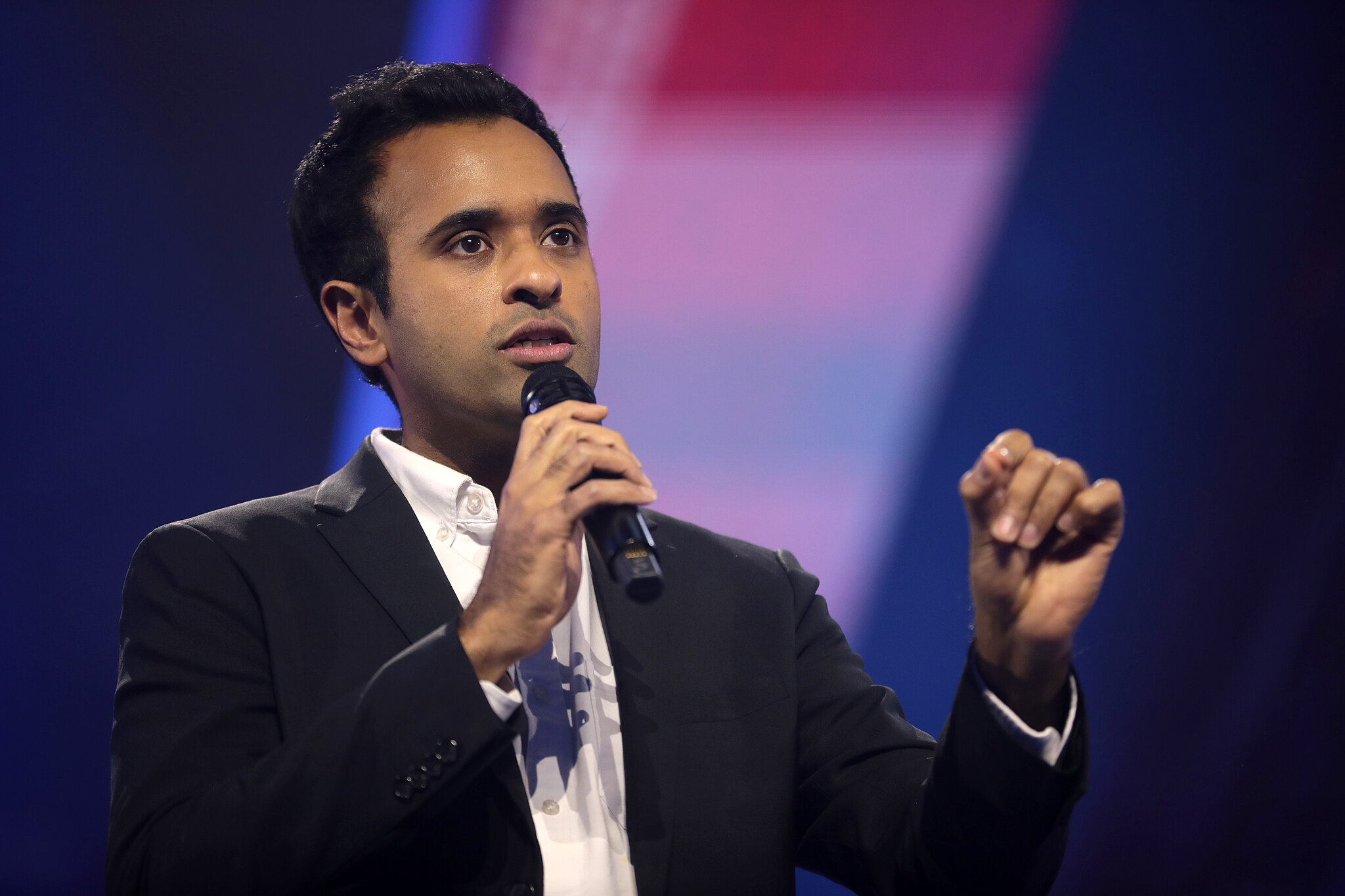
Ramaswamy, echoing Musk’s sentiments, argued that American culture has increasingly rewarded mediocrity over excellence, leaving other nations—particularly China—better positioned to retain and attract top-tier engineers. “The issue isn’t American workers lacking intelligence; it’s that our culture often prioritizes superficial traits over intellectual achievement,” Ramaswamy wrote. He pointed to the decline of a culture that once revered excellence, particularly in technical fields, as a key reason why U.S. companies often hire foreign-born talent.
This stance, however, drew sharp criticism from prominent conservatives like Ann Coulter, Laura Loomer, and Mike Cernovich, who argued that the H-1B visa program disproportionately benefits tech companies at the expense of American workers. They highlighted concerns about how these visas restrict workers’ mobility, effectively creating a system where foreign workers have limited job options, driving wages down and contributing to a loss of opportunities for native-born Americans. Coulter, in particular, suggested that tech companies are exploiting foreign labor to avoid investing in a skilled American workforce.
While Musk and Ramaswamy continue to push for a more open immigration policy to attract global talent, Trump has voiced his own approach to immigration reform. During his first term, he signed an executive order aimed at prioritizing American workers by restricting visa programs like H-1B, arguing that they undermined wages and job opportunities for U.S. citizens. However, Trump has also expressed support for legal immigration, particularly for highly skilled workers. He proposed offering green cards to top graduates, suggesting that any American graduate should automatically receive a green card upon completing their degree, making it easier to retain talent that might otherwise leave for opportunities abroad.
This debate highlights a growing rift within the Republican Party, as it seeks to balance the needs of the tech industry with the interests of American workers. The challenge moving forward will be finding an immigration policy that supports innovation while ensuring that American citizens are not sidelined in favor of foreign labor.