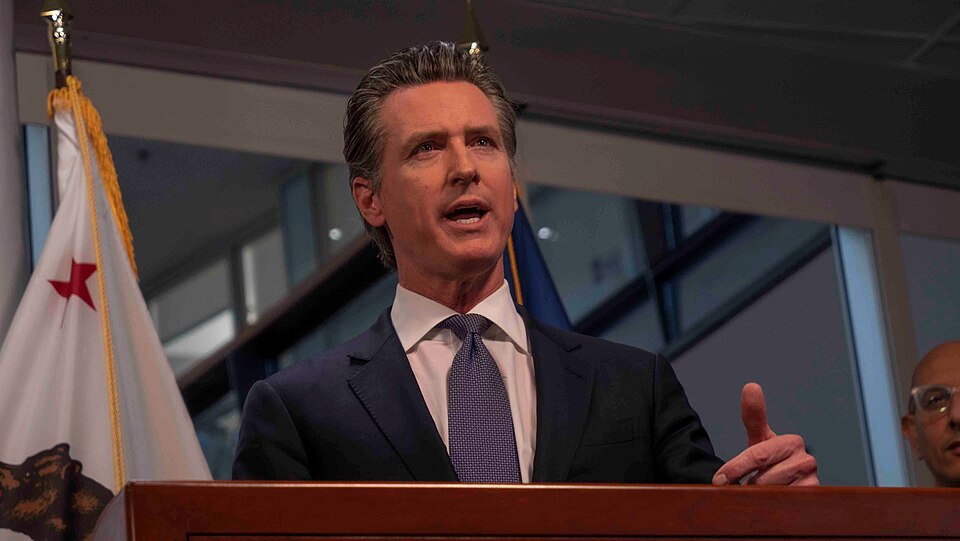
Newsom surely isn’t happy about this.
California is preparing to implement a major change that could affect more than one million illegal immigrants who received driver’s licenses under state law, a move many conservatives view as another victory for federal identification standards championed during President Donald Trump’s administration.
As part of California’s newly approved state budget, lawmakers authorized $55 million for the Department of Motor Vehicles (DMV) to connect with a nationwide driver’s license verification network used by states across the country.
The program is designed to improve identity verification, reduce duplicate driver’s licenses, and help California comply with federal Real ID requirements.
California DMV Will Share Driver Information
The California DMV will begin submitting information to the State-to-State Verification Service and the SPEX database, both operated through the American Association of Motor Vehicle Administrators (AAMVA).
These systems allow participating states to verify driver’s license records and determine whether someone already holds a license elsewhere.
One detail attracting significant attention is how the database handles Social Security numbers.
The system stores the last five digits of an applicant’s Social Security number. Applicants who do not have a Social Security number will instead receive a default code of “99999,” making those records distinguishable within the national verification system.
AB 60 Licenses Remain Different
California has allowed illegal immigrants to obtain driver’s licenses since lawmakers approved Assembly Bill 60 (AB 60).
Unlike standard California licenses, AB 60 licenses are clearly marked to indicate they are subject to federal restrictions and cannot be used for federal identification purposes in situations governed by federal law.
Supporters say the program improves road safety by ensuring more drivers are licensed and insured.
Critics argue it creates incentives for illegal immigration and weakens immigration enforcement.
Real ID Requirements Drive The Decision
State officials say participation in the national verification system is necessary for California to remain compliant with the federal Real ID Act.
Without joining the interstate database, the Department of Homeland Security could eventually refuse to recognize California-issued identification for certain federal purposes, including airport security screening.
Officials say the change is intended to ensure California residents can continue using state-issued identification where Real ID standards apply.
Lawmakers Added New Privacy Protections
Earlier versions of the proposal faced opposition from lawmakers who argued stronger safeguards were needed before California shared information through the national database.
The final legislation includes several additional protections.
According to Newsom administration spokesperson HD Palmer, the revised plan limits shared information to only what is necessary under the agreement.
The legislation also authorizes California’s attorney general to pursue legal action against the nonprofit administrator or participating states if they violate the data-sharing rules.
In addition, California must publicly disclose requests for information fulfilled through the system, increasing transparency over how the database is used.
State Oversight Will Continue For Years
The California DMV must submit a comprehensive monitoring plan by July 2027 explaining how the program will be administered.
Beginning in 2030, the California State Auditor will conduct regular reviews to determine whether the agency is complying with all privacy and data-sharing requirements established under state law.
Why This Matters
The decision represents a significant policy shift for California, a state that has long positioned itself as one of the nation’s strongest supporters of illegal immigrants.
While Gov. Gavin Newsom’s administration says the change is necessary to satisfy federal Real ID requirements and maintain access to federally accepted identification, many conservatives argue it also brings California closer to the stricter verification standards promoted during President Trump’s presidency.
As implementation moves forward, the debate is expected to continue over immigration enforcement, privacy protections, and the growing role of nationwide identification databases. Regardless of where voters stand, the new system marks one of California’s most consequential changes to driver’s license verification in years.