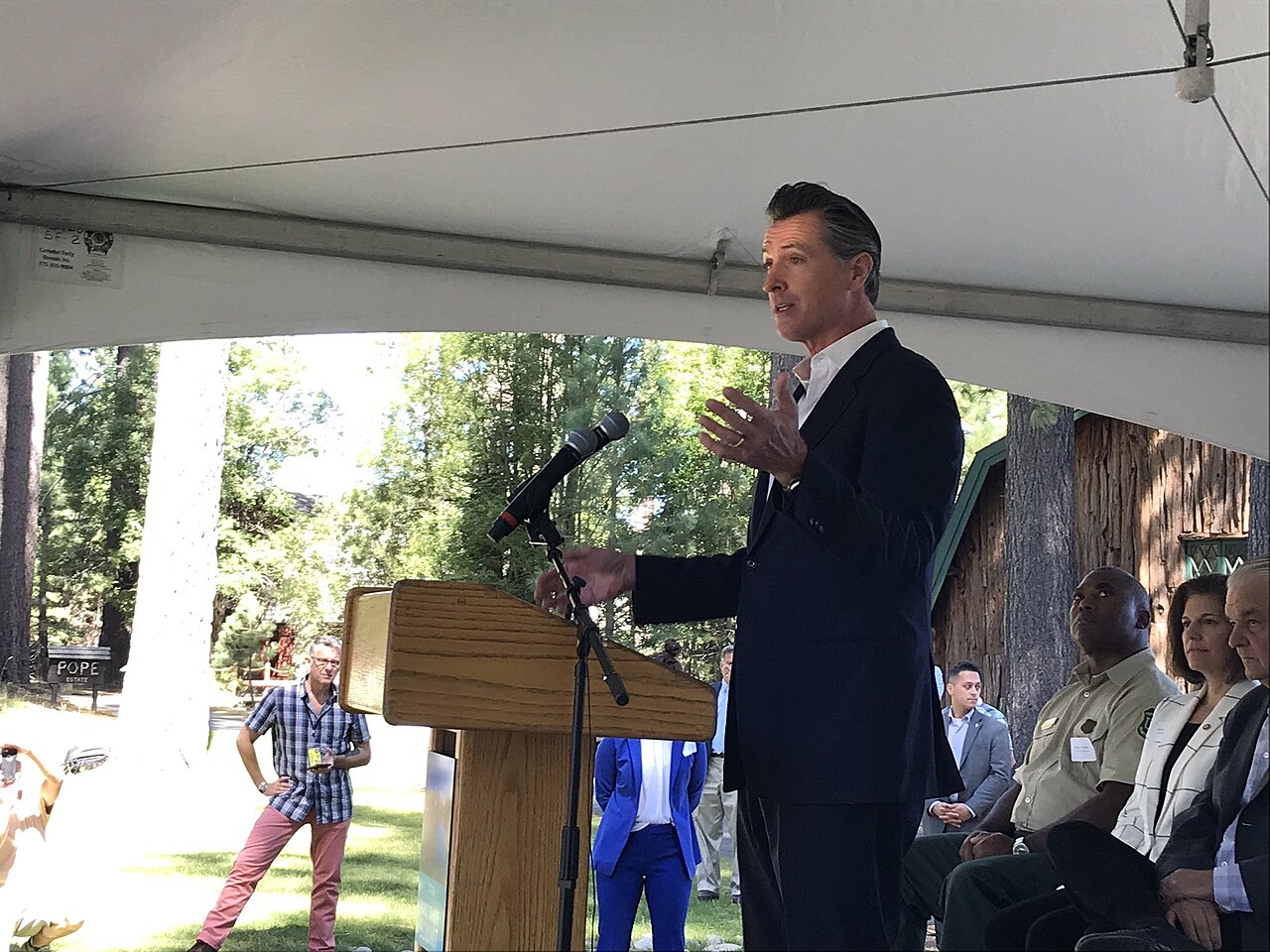
Newsom loses again.
California Governor Gavin Newsom is facing fresh criticism after another high-profile tech billionaire packed up and left the Golden State — highlighting the growing exodus of business leaders fleeing the state’s high taxes and regulatory climate.
Billionaire entrepreneur and Uber co-founder Travis Kalanick recently confirmed he has relocated from California to Austin, Texas, just weeks before a proposed California wealth tax could potentially target billionaires like him.
The move is being viewed by critics as yet another sign that California’s policies are pushing innovation and investment out of the state.
Billionaire Leaves California Before Wealth Tax Proposal
Kalanick revealed in an interview with TPBN that he officially moved to Texas on December 18, just days before the start of the new year.
The timing is significant.
California lawmakers and powerful labor unions are pushing a controversial proposal that would impose a 5% tax on the wealth of billionaires living in the state.
Under the plan:
- Californians with more than $1 billion in net worth could face the tax
- The payment would be due beginning in 2027
- Billionaires could spread payments over five years, with additional fees
The proposal also contains a controversial retroactive residency rule.
Anyone who was a California resident on January 1, 2026 could still be required to pay the tax — even if they moved out of the state afterward.
Based on estimates from financial analysts, Kalanick’s $3.6 billion fortune could have resulted in a tax bill approaching $180 million.
Growing List Of Billionaires Leaving California
Kalanick’s relocation is part of a much larger trend that has been accelerating in recent years.
A growing number of major entrepreneurs, investors, and technology leaders have chosen to leave California in favor of states with lower taxes, fewer regulations, and more business-friendly policies.
Texas has emerged as one of the biggest winners in this migration.
Prominent figures who have relocated or moved their companies there include:
- Elon Musk, CEO of Tesla and SpaceX
- Joe Lonsdale, co-founder of Palantir
- Venture capitalist David Sacks
Florida has also become a major destination for wealthy entrepreneurs and investors.
Among the high-profile figures who have reportedly relocated there are:
- Jeff Bezos, founder of Amazon
- Peter Thiel, prominent venture capitalist
- Larry Page and Sergey Brin, Google co-founders
- Mark Zuckerberg, CEO of Meta
Supporters of these moves say states like Texas and Florida are attracting businesses with lower taxes, lower cost of living, and fewer government restrictions.
Kalanick Launches New Technology Company
Kalanick’s move to Texas is also tied to a new business venture.
His company Atoms — formerly known as City Storage Systems — is focused on building industrial robotics and artificial intelligence designed to improve productivity and automation across multiple industries.
The project represents a new chapter for Kalanick following his departure from Uber in 2017.
On the company’s website, he reflected on that turning point in his career, saying the experience forced him to rethink the direction of his work and focus on new innovations.
A Lighthearted Moment In The Interview
Despite the serious discussion about business and politics, the interview ended with a humorous exchange.
When asked if he ever takes business calls while waterskiing using AirPods, Kalanick laughed and joked that he might start doing exactly that.
“Maybe I should try that,” he said with a grin.
The Debate Over California’s Economic Policies
Kalanick’s departure is likely to fuel the ongoing debate over California’s economic direction under Governor Gavin Newsom.
Supporters of the proposed billionaire tax argue that it could generate billions in revenue for public programs and social services.
Critics warn the policy could accelerate the migration of entrepreneurs, investors, and job creators out of the state.
As more business leaders relocate to states like Texas and Florida, the question many are asking is whether California can remain the center of America’s innovation economy — or whether its policies are driving the next generation of companies elsewhere.