Here’s what is going to happen next.
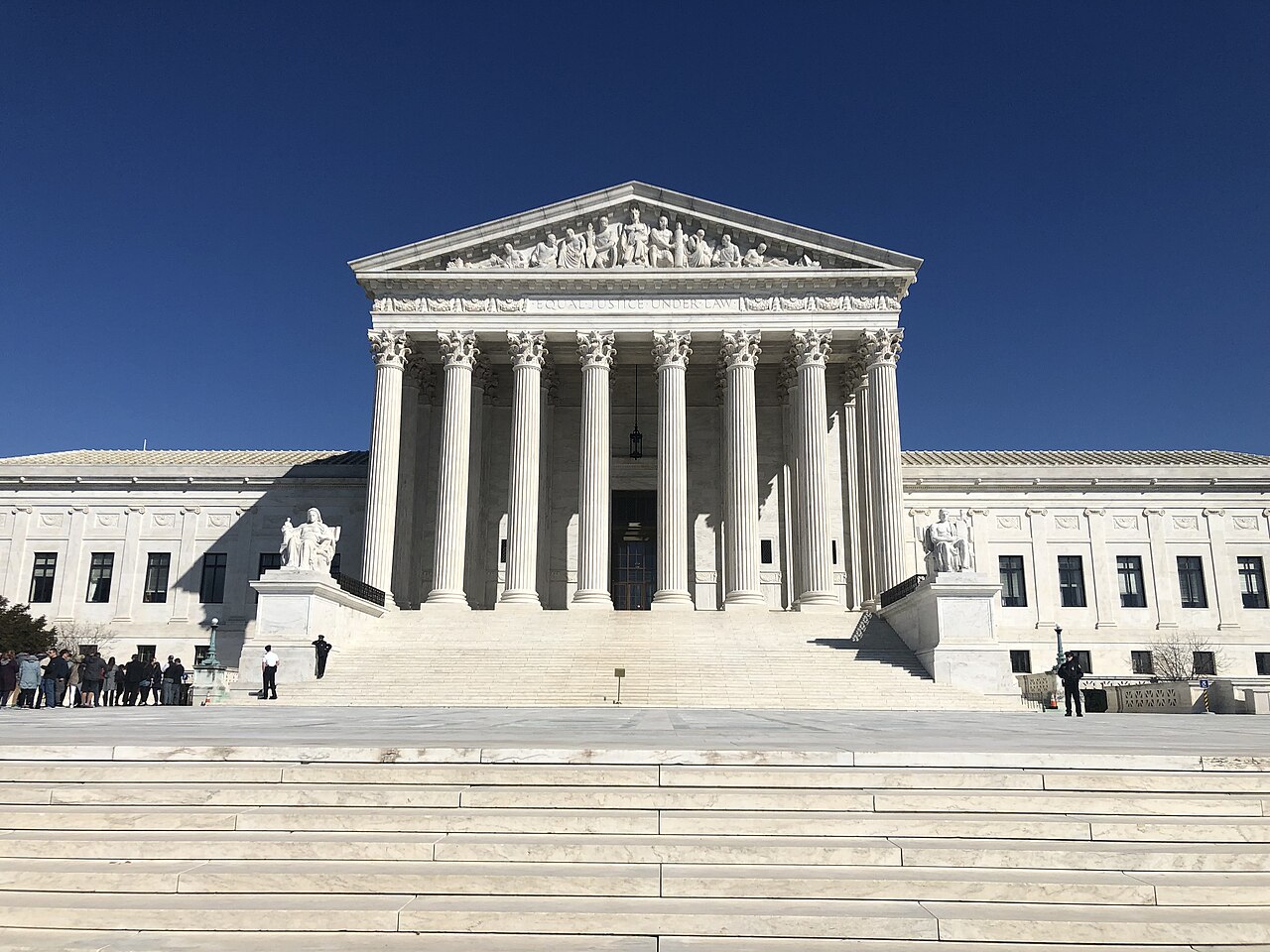
The U.S. Supreme Court has agreed to hear a major immigration case involving President Donald Trump’s authority to end temporary legal protections for certain migrants living in the United States.
The decision sets up a high-profile legal showdown over one of the most controversial parts of the administration’s immigration agenda. At issue is whether the federal government can end Temporary Protected Status (TPS) for migrants from countries experiencing severe instability.
For now, the justices are allowing lower-court rulings to remain in place. Those rulings block the administration from ending TPS protections for migrants from Syria and Haiti until the Supreme Court hears arguments and issues a final decision.
Oral arguments are expected the week of April 27, with a ruling likely sometime this summer.
What the Case Is About
The legal dispute focuses on whether federal courts can block the executive branch from ending TPS designations.
The Trump administration argues that immigration decisions—including which countries qualify for TPS—fall under the authority of the president and the Department of Homeland Security.
Administration lawyers have told the Supreme Court that lower courts are interfering with decisions that Congress intended to be made by the executive branch.
Without a clear ruling from the high court, officials say the country could face an ongoing cycle of lawsuits and conflicting rulings from federal judges across the country.
Understanding Temporary Protected Status
Temporary Protected Status was created by Congress in 1990 to provide humanitarian relief for foreign nationals who cannot safely return to their home countries.
TPS can be granted when countries face:
- Armed conflict
- Natural disasters
- Political instability
- Other extraordinary conditions
Migrants granted TPS are protected from deportation and allowed to work legally in the United States for a limited period of time. However, the program does not provide a direct pathway to citizenship or permanent residency.
Trump Administration’s Broader Immigration Effort
When President Trump returned to the White House, roughly 17 countries had TPS designations in place.
Since then, the administration—under former Homeland Security Secretary Kristi Noem—has moved to scale back many of those designations as part of a broader effort to tighten immigration policies and review temporary programs that have remained in place for years.
In addition to Syria and Haiti, TPS designations have been challenged or reviewed for several other countries, including:
- Afghanistan
- Cameroon
- Ethiopia
- Honduras
- Myanmar
- Nepal
- Nicaragua
- Somalia
- South Sudan
- Venezuela
- Yemen
Meanwhile, TPS protections for El Salvador, Lebanon, Sudan, and Ukraine are currently scheduled to expire later this year unless extended.
Courts Have Issued Mixed Rulings
The legal fight has produced conflicting decisions from lower courts.
In some cases, judges have allowed the administration to move forward with ending TPS protections. In other cases—including those involving Syria and Haiti—courts ruled that the administration’s actions may not have followed the correct legal procedures.
These differing rulings are one of the main reasons the Supreme Court decided to step in and settle the issue.
Why the Supreme Court’s Decision Matters
The Supreme Court’s upcoming ruling could have a major impact on U.S. immigration policy.
If the justices rule in favor of the administration, the decision could give the executive branch broader authority to end TPS protections without interference from federal courts.
If the court sides with challengers, it could allow judges to continue reviewing and potentially blocking future immigration decisions.
Either way, the case is expected to set an important legal precedent on how much power presidents have to reshape immigration programs.
What Happens Next
For now, TPS protections for migrants from Syria and Haiti will remain in place while the Supreme Court reviews the case.
Arguments will begin later this spring, and a final decision is expected by summer.
With immigration remaining one of the most debated issues in Washington, the Supreme Court’s ruling could shape policy discussions—and legal battles—for years to come.