Here’s what Conservative Voters need to know.
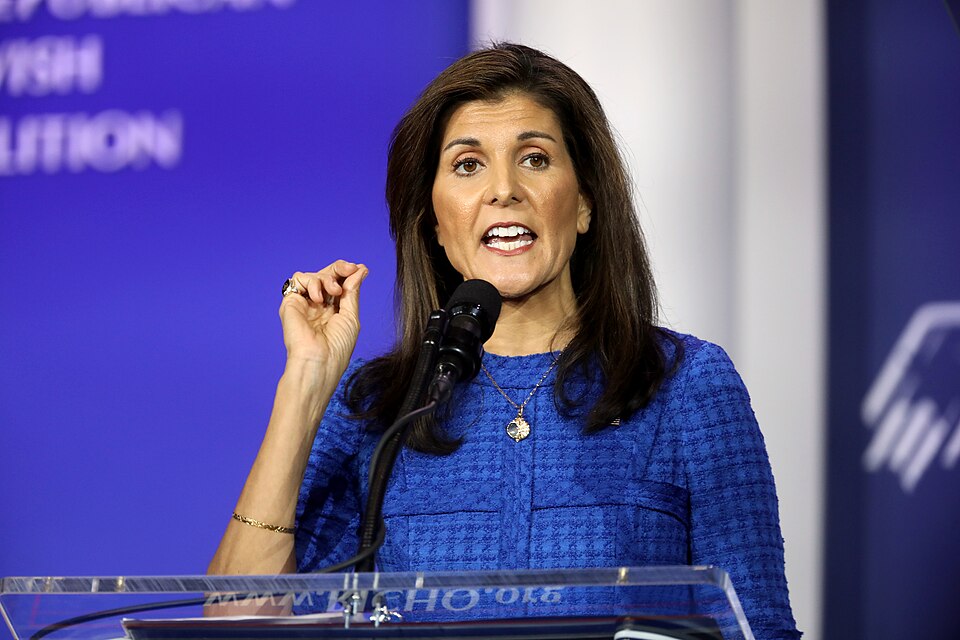
Former South Carolina Governor Nikki Haley has officially ruled out running for president in 2028, making a significant decision that could reshape the Republican Party’s plans for the next White House election.
Haley, who previously served as President Donald Trump’s ambassador to the United Nations, confirmed Wednesday that she will not seek the Republican presidential nomination again.
Her announcement comes as Republicans confront difficult questions about the party’s future following the 2026 midterm elections.
Although Haley is stepping away from another presidential campaign, she made it clear that she intends to remain involved in Republican politics.
The decision also comes as attention increasingly turns toward Vice President JD Vance and several other prominent Republicans who could seek the party’s nomination in 2028.
Nikki Haley Confirms She Will Not Run In 2028
During a Wednesday interview with CNBC, Haley directly addressed speculation about her political future.
“I am not running in 2028, but I will continue to talk about the things that I care about,” Haley said.
The former Republican presidential candidate explained that she still believes she has an important role to play in shaping public policy and supporting political leaders.
Haley said she intends to continue promoting policies she considers beneficial to the country while helping candidates who share her priorities.
Her announcement ends speculation about whether she would mount another presidential campaign after challenging Trump for the Republican nomination in 2024.
However, it does not signal a complete departure from politics.
Instead, Haley appears prepared to influence the Republican Party from outside the presidential race.
Republican Party Faces Important Decisions After Midterm Elections
Haley’s announcement comes at a challenging time for Republicans.
The party suffered substantial losses during the November 2026 midterm elections, raising questions about its political strategy and future leadership.
Those results have intensified discussions about which Republican leaders are best positioned to appeal to voters in the next presidential election.
The economy, inflation, immigration, federal spending and national security remain significant issues in the political debate.
Republicans also face important questions about how closely the party’s next presidential nominee should follow Trump’s political approach.
Haley has previously emphasized economic responsibility, American leadership abroad and the importance of maintaining strong national security policies.
Although she will not be seeking the nomination herself, her public statements could still influence discussions surrounding those issues.
Her decision also means that Republicans who supported her previous presidential campaign will have to consider other candidates in 2028.
JD Vance Among Potential 2028 Republican Presidential Candidates
With Haley ruling herself out, speculation continues to surround several Republicans who could pursue the presidency.
Vice President JD Vance is one of the most prominent names being discussed.
As Trump’s vice president, Vance has maintained a major role in the administration and has become a central figure in Republican politics.
However, he has not formally announced a 2028 presidential campaign.
Secretary of State Marco Rubio is another potential contender.
Rubio, who previously ran for president in 2016, has extensive experience in foreign policy and national politics.
Texas Senator Ted Cruz has also attracted attention as a possible candidate.
Cruz previously challenged Trump for the Republican presidential nomination in 2016 before ultimately losing the contest.
During an October interview with NBC News, Vance suggested that Cruz appeared likely to enter the 2028 race.
Nevertheless, Cruz has not officially announced another presidential bid.
The field remains uncertain, and additional Republican figures could emerge as the election approaches.
Will Donald Trump Endorse JD Vance?
One of the biggest unanswered questions surrounding the 2028 presidential election involves President Trump’s potential endorsement.
Trump’s support could become an important advantage for whichever Republican candidate ultimately receives it.
The president has publicly praised Vance, describing him in positive terms, but has not explicitly committed to endorsing his vice president for the Republican nomination.
That uncertainty leaves the door open for a potentially competitive primary.
Republican voters will ultimately decide which candidate they believe is best prepared to lead the country after Trump’s second term.
Some candidates may emphasize continuing the administration’s major policy priorities, while others could offer different approaches to economic and foreign policy challenges.
Haley’s decision to remain outside the race eliminates one well-known potential contender from that competition.
Haley Previously Challenged Trump For Republican Nomination
Haley’s political experience includes serving as governor of South Carolina from 2011 to 2017.
She later joined Trump’s first administration as U.S. ambassador to the United Nations, serving from 2017 until 2018.
In that role, Haley became known for her strong positions on national security, international diplomacy and America’s relationship with Israel.
She eventually launched a campaign for the Republican presidential nomination in 2024.
Throughout the primary contest, Haley attempted to present herself as an alternative to Trump.
Although she attracted support from some Republican and independent voters, Trump maintained a decisive advantage in the race.
Haley ultimately suspended her presidential campaign in March 2024 after Super Tuesday.
Her campaign kept her in the national spotlight and established her as one of the Republican Party’s most recognizable political figures.
With her latest announcement, she has confirmed that she does not plan to challenge for the White House again during the upcoming election cycle.
What Haley’s Announcement Means For The 2028 Election
Haley’s decision could have important implications for the Republican presidential primary.
Without her participation, other potential candidates may have an opportunity to attract voters who supported her previous campaign.
Those voters could become an important constituency as Republican candidates compete over the party’s future direction.
The upcoming race will also take place against the backdrop of the Trump administration’s record and the political consequences of the 2026 midterm elections.
Republicans will need to determine which candidate offers the strongest combination of leadership experience, policy priorities and electoral appeal.
Haley, meanwhile, has made clear that she intends to remain active by advocating for policies and supporting candidates rather than launching another presidential campaign.
Whether she eventually endorses Vance, Rubio, Cruz or another Republican remains unknown.
Any endorsement from Haley could attract attention because of her experience in national politics and her previous presidential campaign.
Republicans Look Ahead To The Next Presidential Election
The 2028 presidential election is still two years away, but the political landscape is already beginning to change.
Haley’s decision provides new clarity about one potential Republican contender while leaving questions about the eventual nominee unanswered.
Vance, Rubio and Cruz are among the prominent figures receiving attention, although the Republican presidential field has not yet been formally established.
Trump’s influence, the economy, national security and the party’s response to its recent election losses are all expected to remain central issues.
For Haley, the immediate decision is settled.
She will not be running for president in 2028.
However, her continued involvement in Republican politics means she could still have a voice in the party’s direction and its choice of future leaders.
The biggest question now is which Republican candidate will emerge as the party’s leading choice for the White House in 2028.