Here’s what was alleged.
A prominent Republican senator is warning that rising energy prices and continued military conflict with Iran could spell serious trouble for the GOP in the next election cycle.
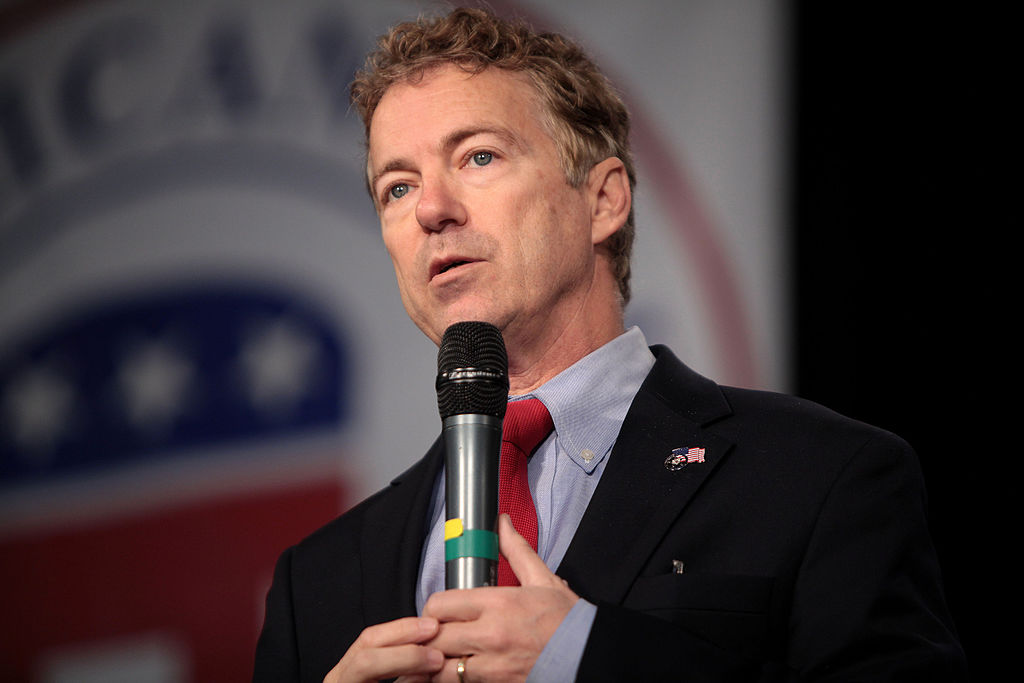
Sen. Rand Paul of Kentucky said Tuesday that if the Iran conflict drags on and Americans continue facing higher fuel prices, the political consequences could be severe for Republicans during the upcoming midterm elections.
Speaking on Fox Business during Mornings with Maria, Paul told host Maria Bartiromo that the economic fallout from the Middle East conflict could become a major issue for voters.
“We’re already behind the eight ball when it comes to the electoral process,” Paul said.
The libertarian-leaning Republican warned that if oil prices surge and gasoline becomes even more expensive for American families, frustration among voters could grow quickly.
Paul warned that if gasoline and oil prices keep rising while U.S. forces remain involved in continued strikes against Iran, the political fallout could be severe—especially if the conflict drives oil above $100 per barrel.
Iran Conflict Sends Oil Markets Into Turmoil
Paul’s warning comes as tensions in the Middle East continue to disrupt global energy markets.
Recent U.S. and Israeli strikes targeting Iran have increased fears of a wider regional conflict. At the same time, Iran has reportedly halted shipping through the Strait of Hormuz — one of the world’s most important oil transit routes.
Any disruption in this narrow waterway can quickly send oil prices soaring, because nearly one-fifth of the world’s petroleum supply passes through the region.
Earlier this week, the price of West Texas Intermediate crude oil briefly surged above $100 per barrel before retreating to below $85 by Tuesday afternoon.
Even so, analysts say the volatility highlights how quickly global tensions can impact energy prices.
Americans Feeling Pain at the Gas Pump
For everyday Americans, the biggest impact is already showing up at the gas pump.
According to data from AAA, the national average price of regular gasoline climbed above $3.50 per gallon Tuesday.
That represents:
- More than 40 cents higher than just one week ago
- Over 60 cents higher than a month ago
For retirees, working families, and Americans on fixed incomes, fuel costs can quickly ripple across household budgets.
Higher gas prices also tend to raise the cost of transporting goods, which can lead to higher prices for groceries, consumer products, and other everyday necessities.
Economic Concerns Already Weighing on Voters
Even before the current Middle East conflict began affecting oil markets, many Americans were already worried about the economy.
A Pew Research Center survey conducted earlier this year found that more than 70 percent of Americans rate current economic conditions as fair or poor.
The same poll revealed widespread concern about several major cost-of-living issues:
- 71% are very concerned about the cost of health care
- 66% are very concerned about food and consumer prices
- 62% are very concerned about housing costs
These concerns have become central issues for voters as the country heads toward another major election cycle.
Midterm Elections Could Decide Control of Congress
With the midterm elections approaching, both political parties are watching closely to see how economic pressures and global conflicts could shape voter sentiment.
Democrats are hoping to capitalize on economic anxiety after scoring several off-year election victories last year.
According to the nonpartisan Cook Political Report, the current House battlefield looks extremely competitive.
The report currently rates:
Democratic-leaning seats
- 189 solid Democratic
- 8 likely Democratic
- 14 lean Democratic
Total: 211 seats
Republican-leaning seats
- 186 solid Republican
- 16 likely Republican
- 4 lean Republican
Total: 206 seats
Because 218 seats are needed to control the House, a relatively small number of competitive districts could determine which party controls Congress.
Currently, 18 House seats are rated as toss-ups, including 14 held by Republicans and four held by Democrats.
Senate Map Also Remains Competitive
The battle for the Senate could be just as intense.
Republicans currently hold a 53-47 majority, but 34 Senate seats will be contested in the next election cycle.
Cook Political Report currently identifies four Senate races as toss-ups, split evenly between the two parties.
One race attracting national attention is in Texas.
Democratic state Rep. James Talarico is hoping to challenge the eventual Republican nominee, which will be decided in a primary runoff between longtime Sen. John Cornyn and Texas Attorney General Ken Paxton.
The outcome of several key Senate races could ultimately determine which party controls the chamber during the final two years of President Donald Trump’s term.
Political Stakes Continue Rising
With economic concerns, rising energy prices, and escalating tensions in the Middle East, the political stakes heading into the midterm elections continue to grow.
Sen. Rand Paul’s warning reflects a broader concern among political strategists: if oil prices remain high and Americans feel the pressure at the gas pump, voters could make their frustrations known at the ballot box.
For now, Republicans are hoping that economic stability and strong leadership will guide voters as the campaign season approaches.