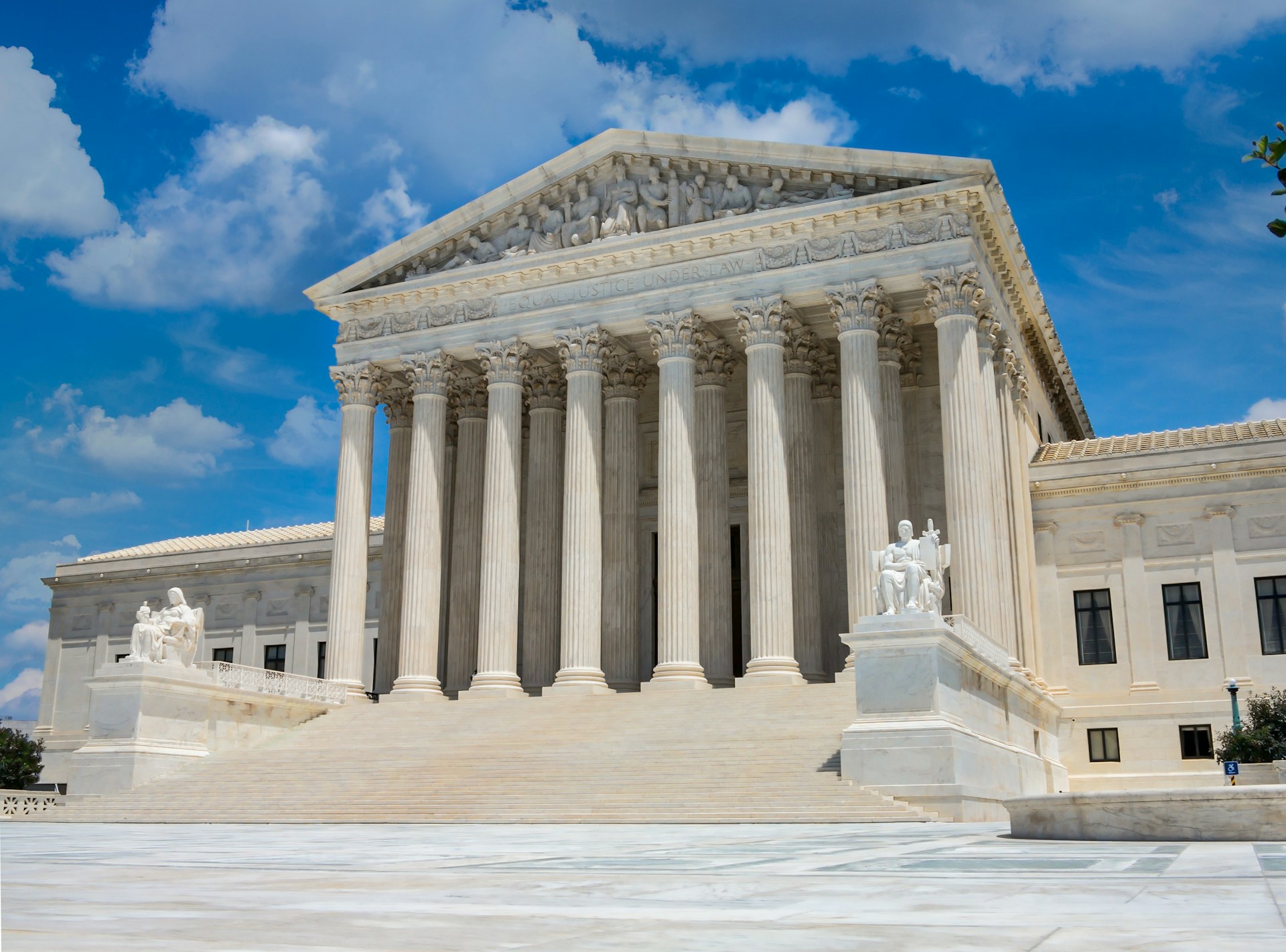
Here’s what conservatives need to know.
In a pointed defense of judicial independence, Chief Justice John Roberts warned this week that the nation’s courts are increasingly under attack. Speaking through his annual report on the federal judiciary, Roberts highlighted the growing threats of intimidation, misinformation, and the troubling possibility of elected officials ignoring or defying court rulings. These challenges, he argued, jeopardize the foundational principle that judges must remain free from external pressures in order to uphold the rule of law.
Roberts’ comments come at a time when the judicial system has found itself squarely in the political spotlight. The previous year was marked by contentious battles over the integrity of the judiciary, especially in the context of high-profile legal proceedings involving former President Donald Trump. Trump, as a Republican candidate facing criminal charges, openly criticized the courts, with some Democrats even accusing him of attempting to undermine judicial credibility. However, Roberts was quick to emphasize the importance of respecting judicial decisions, regardless of political considerations.
Despite not naming Trump specifically in this year’s report, Roberts noted that all branches of government must support the enforcement of court orders, even when such decisions run counter to the desires of powerful political figures. He referenced the landmark Brown v. Board of Education decision, which desegregated schools in 1954, underscoring how difficult legal rulings often require active federal enforcement when faced with resistance at the state or local level.
The Chief Justice also addressed the disturbing rise of threats against judges, a phenomenon that has become more prevalent in recent years. “Violence or the threat of violence against members of the judiciary is wholly unacceptable,” he declared, stressing the need for public officials to refrain from language that could incite harm or sow division. He also pointed to the role of disinformation, particularly on social media, which he said could be used by both domestic and foreign actors to manipulate public opinion and further erode trust in the courts.
Roberts’ defense of judicial independence comes at a critical time. With a Republican-controlled Supreme Court, which now includes three justices appointed by Trump during his first term, many anticipate that future legal challenges to his policies could bring more tension between the executive and the judiciary. Nonetheless, Roberts’ message is clear: the integrity of the judicial system must be preserved, and it is the duty of all Americans—regardless of party affiliation—to safeguard it.