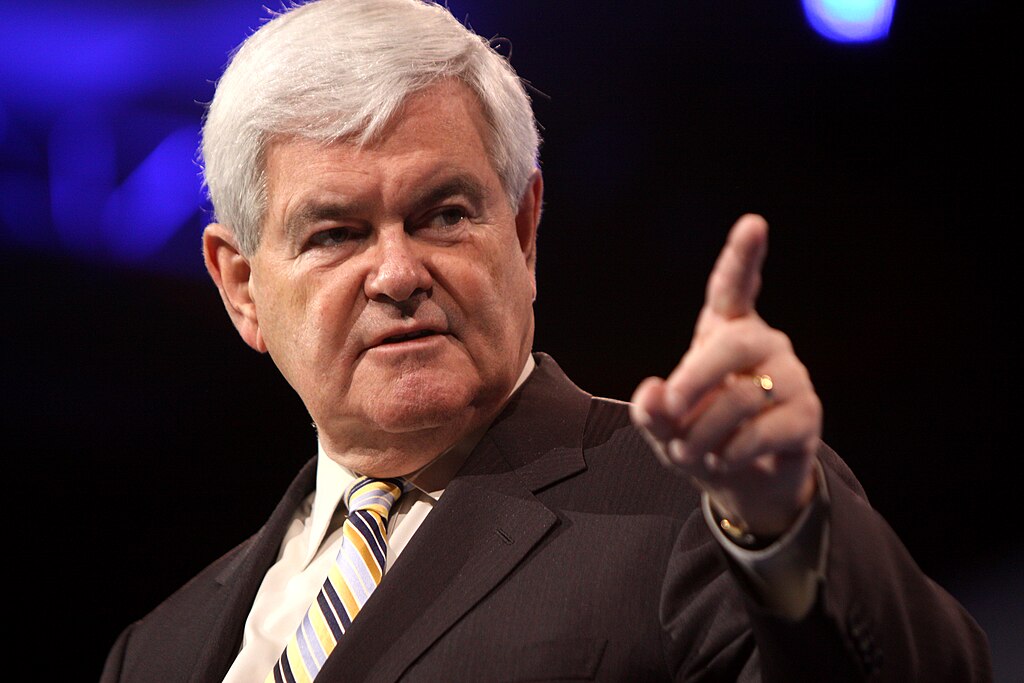
A longtime Republican power broker is casting doubt on whether President Donald Trump truly intends to follow through on his recent warnings about gaining control of Greenland—suggesting instead that the president may be using calculated pressure to force negotiations.
Former House Speaker Newt Gingrich said over the weekend that Trump’s public comments appear designed to strengthen America’s leverage, not signal an imminent takeover. While Gingrich acknowledged he could be mistaken, he said the president’s approach fits a familiar negotiating style.
According to Gingrich, the real goal is likely securing expanded U.S. access to Greenland’s strategic advantages, including tourism opportunities, economic development, critical minerals, and national security positioning in the Arctic.
Why Greenland Matters to the U.S.
Gingrich emphasized that Greenland sits at the center of growing global competition. The territory holds significant untapped mineral resources and potential energy reserves—assets that have attracted increasing interest from China, Russia, and Western nations alike.
He described Greenland as a rare opportunity with long-term economic and geopolitical value, particularly as the Arctic becomes more central to global trade routes and defense planning.
Congress Pushes Back on Escalation
Gingrich’s comments come as a bipartisan group of U.S. lawmakers travels to Denmark to meet with Danish officials and discuss rising tensions over Greenland.
Republican Sens. Thom Tillis and Lisa Murkowski are among those participating in the visit.
Ahead of the meetings, Tillis warned that any talk of military action would face overwhelming opposition in Congress. He also questioned whether advisers promoting the idea of acquiring Greenland are being realistic about the political and diplomatic hurdles involved.
Trump Raises Tariff Pressure
Despite resistance from lawmakers and European leaders, Trump signaled he is prepared to escalate economically. Over the weekend, the president announced plans to impose a 10 percent tariff on Denmark and several other European nations that oppose his Greenland proposal.
In a statement posted to Truth Social, Trump said the tariffs could rise to 25 percent if no agreement is reached by June 1—underscoring his willingness to use trade policy as leverage.
Europe Reacts Strongly
Danish officials responded sharply to the announcement. Brian Mikkelsen, head of the Danish Chamber of Commerce, criticized the tariff threat, arguing it undermines confidence in global trade and risks economic harm on both sides of the Atlantic.
Writing on X, Mikkelsen said the repeated use of tariffs as leverage creates instability for businesses and consumers alike.
Gingrich: Europe’s Economic Model Is the Weak Link
Gingrich argued that Europe’s economic challenges give Trump room to apply pressure. He pointed to decades of heavy regulation and slower innovation across the continent, contrasting it with the U.S. approach of prioritizing innovation while limiting regulatory overreach.
According to Gingrich, that divergence has left European economies less competitive and more vulnerable during negotiations—especially when facing a U.S. president willing to push aggressively for American interests.