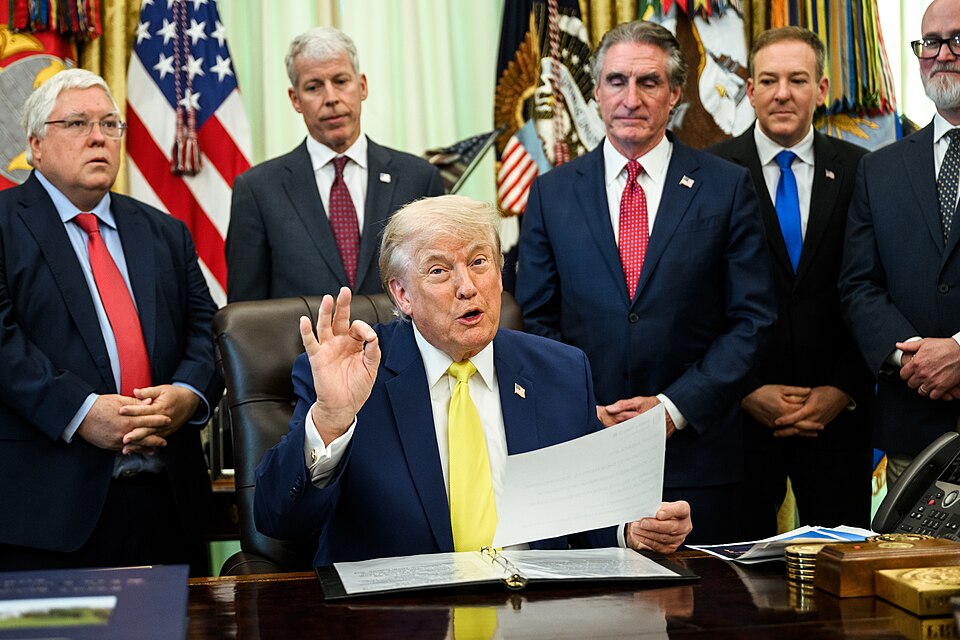
Is Trump going to achieve a 51st state before 2028?
A growing movement inside Canada is raising a question that would have sounded impossible just a few years ago:
Could one of Canada’s wealthiest provinces eventually break away—and even seek closer ties with the United States?
That debate is now unfolding in Alberta, a resource-rich province known for its massive oil reserves, conservative politics, and long-running frustration with Canada’s federal government.
This October, Alberta voters could take a major step toward answering that question.
And if the movement gains momentum, it could create one of the biggest political shakeups North America has seen in decades.
Why Alberta Is Fed Up
For years, many Albertans have argued that their province is carrying more than its fair share of the burden.
Thanks to its booming energy industry, Alberta generates enormous wealth for Canada. Yet many residents believe Ottawa uses Alberta’s tax dollars to fund policies and programs that often work against the province’s interests.
The complaint is simple: Alberta helps pay the bills, but federal politicians make the rules.
That frustration has only intensified as Canada’s government has pushed stricter environmental regulations, carbon taxes, and energy restrictions that many Albertans believe threaten their economic future.
To many conservatives, the fight is no longer just about taxes.
It’s about freedom, jobs, and control over their own resources.
The Province Sitting On A Mountain Of Wealth
Alberta isn’t just another Canadian province.
It holds one of the largest proven oil reserves on Earth.
The province’s vast energy resources have created high-paying jobs, strong economic growth, and a standard of living that consistently ranks among Canada’s best.
Supporters of independence argue that Alberta’s wealth gives it options.
Some believe the province could thrive as an independent nation.
Others are asking an even bigger question:
Why not join the United States?
Why Trump Supporters Are Paying Attention
The idea of Alberta becoming America’s 51st state remains highly speculative, but it has attracted attention from conservatives on both sides of the border.
Alberta’s political culture often resembles that of energy-producing Republican states such as Texas, Oklahoma, and North Dakota far more than the progressive politics dominating Canada’s federal government.
Many residents strongly support domestic energy production, lower taxes, private property rights, and limited government intervention.
Those positions have fueled speculation that Alberta would fit naturally alongside America’s conservative heartland.
For supporters of President Donald Trump, the economic argument may be even stronger.
Adding one of the world’s largest energy-producing regions to the American economy would dramatically strengthen U.S. energy production and reduce dependence on foreign suppliers.
Can Alberta Actually Leave Canada?
That’s where things get complicated.
Even if Alberta voters support separation, leaving Canada would trigger a lengthy legal and political battle.
Canada’s Supreme Court has ruled that no province can simply declare independence and walk away.
Any separation effort would require negotiations with the federal government and likely years of constitutional disputes.
In other words, a referendum would only be the beginning.
What Voters Are Saying
Despite the headlines, most Albertans are not yet ready to leave Canada.
Recent polling shows frustration with Ottawa remains high, but support for outright separation is still well below a majority.
Many voters appear torn between anger at federal policies and concerns about the risks of independence.
Political observers say support often softens once voters begin considering the practical challenges of breaking away.
A Vote That Could Change North America
Whether Alberta ultimately stays in Canada, seeks greater autonomy, or keeps alive the dream of joining the United States, the upcoming vote is sending a clear message.
A growing number of Albertans believe the current relationship with Ottawa is broken.
And as dissatisfaction grows, questions that once seemed unthinkable are suddenly becoming part of the political conversation.
For President Trump and his supporters, Alberta represents something larger than a Canadian political dispute.
It represents energy, economic strength, and a conservative population increasingly questioning whether its future lies on the path it is currently following.
The vote may not create America’s 51st state.
But it could be the closest any Canadian province has come to seriously debating the possibility.