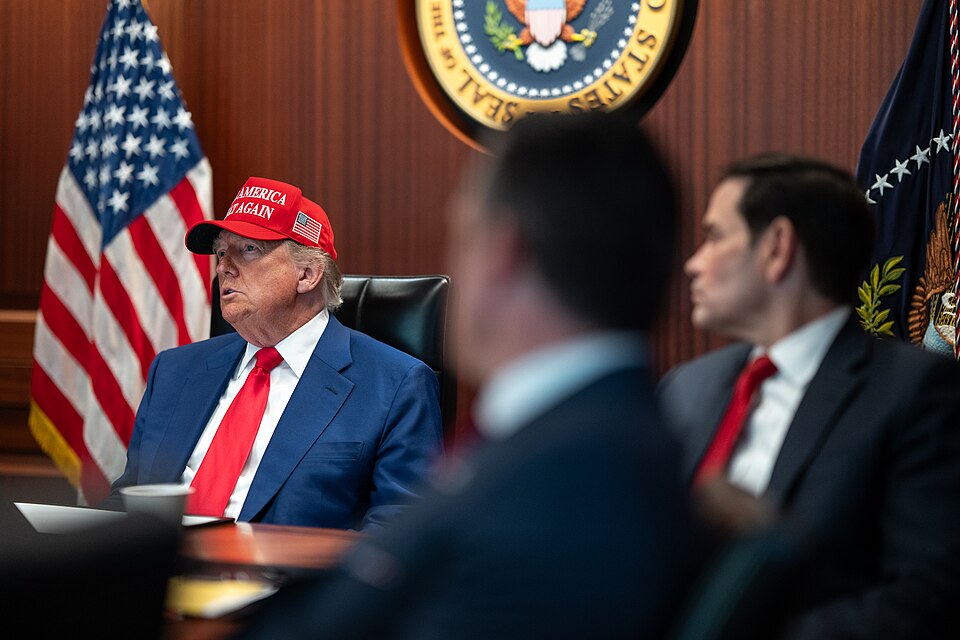
Trump wants this to stop immediately.
The Trump administration is launching a major new effort to combat government leaks, with Defense Secretary Pete Hegseth announcing a joint task force between the Pentagon and the Department of Justice aimed at identifying and prosecuting individuals accused of improperly disclosing sensitive national security information.
The new initiative marks one of the administration’s strongest actions yet to tighten security inside the Defense Department, as officials argue that unauthorized leaks can jeopardize military operations, intelligence gathering, and the safety of U.S. service members.
Pentagon, DOJ Join Forces To Target Leaks
Speaking in a video released Monday, Hegseth announced that the Pentagon and the Justice Department have established a dedicated task force focused on investigating unauthorized disclosures of classified and sensitive information.
Under the new policy, the Defense Department’s Office of General Counsel will receive expanded authority to request documents, records, investigative files, and support from every branch of the Pentagon.
Hegseth directed all Defense Department personnel to give those requests top priority, requiring agencies to provide complete responses within 48 hours whenever possible.
According to the defense secretary, the goal is to improve coordination between military investigators and federal prosecutors while ensuring that leak investigations move more quickly.
“Leaked information risks lives,” Hegseth said during his announcement.
He argued that Americans entrusted with access to classified information have a solemn responsibility to protect it and warned that those who violate that trust should expect serious legal consequences.
“The security of our nation cannot be a bargaining chip for those seeking momentary headlines,” Hegseth said, adding that individuals who betray that responsibility would face the full force of the law.
Leak Investigation Comes Amid Broader Security Push
The announcement follows several months of increased efforts by the Trump administration to strengthen protections surrounding classified information.
The Justice Department recently issued subpoenas to four New York Times reporters as part of a federal grand jury investigation involving published reports about security concerns surrounding a Qatar-donated aircraft used by President Donald Trump during travel connected to a NATO summit.
The subpoenas immediately drew criticism from press freedom organizations and the newspaper, which argued the investigation could discourage aggressive reporting on government activities.
Attorneys representing the newspaper maintained that journalists were simply informing the public about issues involving national security and taxpayer-funded government operations.
The administration, however, has consistently argued that unauthorized disclosures involving sensitive defense matters deserve serious criminal investigation regardless of who ultimately receives the information.
Hegseth Has Made Stopping Leaks A Top Priority
Since becoming Defense secretary, Hegseth has repeatedly emphasized the importance of protecting classified information inside the Pentagon.
Earlier this year, the Defense Department launched several internal investigations into alleged leaks involving sensitive military information.
Officials also warned that employees suspected of improperly sharing classified material could face polygraph examinations as part of those investigations.
Several senior Pentagon officials were placed on administrative leave before later being dismissed during one investigation.
Those officials included former senior adviser Dan Caldwell, former deputy chief of staff Darin Selnick, and Colin Carroll, who served as chief of staff to the deputy defense secretary.
However, administration officials later stated there was no evidence that Caldwell had improperly disclosed classified information. He has since accepted a position with the Office of the Director of National Intelligence.
Pentagon Policies Continue To Draw Debate
While Hegseth has pushed aggressively to stop unauthorized leaks, some critics have pointed to questions surrounding his own handling of sensitive information.
A previous Pentagon inspector general report concluded that Hegseth violated department policy after discussing planned U.S. military strikes against Houthi targets in Yemen through the encrypted Signal messaging application on a personal cellphone.
The report stated that using an unauthorized platform for sensitive communications created unnecessary operational security risks.
Former Pentagon spokesman John Ullyot criticized Hegseth’s efforts, arguing that accountability should apply equally across the Defense Department, including to senior leadership.
Supporters of Hegseth, however, argue that the administration’s broader effort to stop unauthorized disclosures remains necessary regardless of past controversies, pointing to the growing number of leaks involving national security matters over the past several years.
Media Access At The Pentagon Has Changed
The Defense Department has also implemented significant changes to media access inside the Pentagon.
Earlier this year, many longtime Pentagon reporters surrendered their credentials rather than sign updated media agreements requiring journalists to refrain from seeking unauthorized government material, including certain information that is not classified.
The Pentagon has also expanded restricted areas inside its headquarters, limiting where reporters can travel without official escorts.
Administration officials say the changes are intended to reduce opportunities for sensitive information to leave secure areas and better protect classified military operations.
Press freedom organizations have criticized the new policies, arguing they reduce transparency and make it more difficult for journalists to report on national defense issues.
Trump Administration Says National Security Comes First
Supporters of the administration say stronger enforcement against unauthorized leaks is long overdue.
They argue that protecting military secrets is essential to safeguarding American troops, preserving intelligence capabilities, and preventing adversaries from gaining access to valuable information.
Hegseth emphasized that protecting confidential military information has been a responsibility of government leaders since the nation’s founding.
He noted that even President George Washington dealt with espionage, insider threats, and unauthorized disclosures during the Revolutionary War, arguing that defending sensitive information remains just as important today.
With the creation of the new Pentagon-Justice Department task force, the Trump administration is signaling that leak investigations will remain a top national security priority. Officials say the initiative is designed to strengthen accountability, protect classified information, and ensure that individuals entrusted with America’s most sensitive secrets understand the serious consequences of violating that trust.