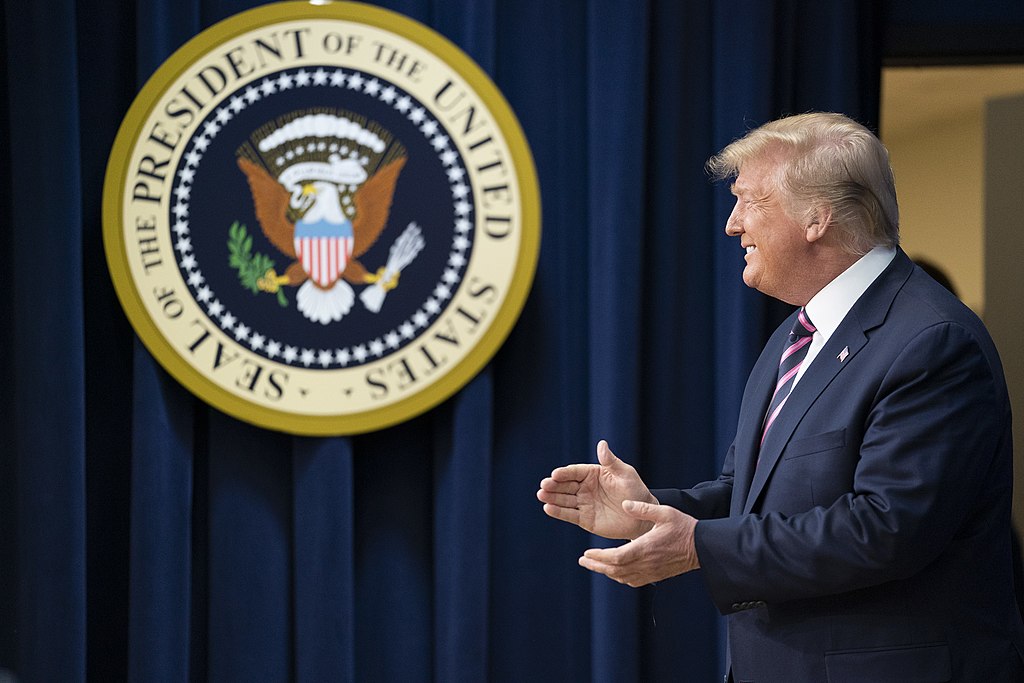
President Donald Trump is doubling down on his message that prices are falling and that affordability is improving under his leadership.
But as new federal data is released — and as Democrats prepare aggressive messaging for the 2026 midterms — a very different economic picture is emerging. Millions of Americans, especially seniors and working families, say they still feel squeezed by rising costs.
This contrast between Trump’s confidence and the public’s financial frustration is shaping up to be one of the biggest economic battles of his second term.
Inflation Rises Again Despite White House Optimism
The Department of Labor’s latest report shows inflation ticking up to 3.0% year-over-year, the highest level since January. Prices rose sharply in key categories like beef, coffee, and other essential household goods.
Even though core inflation eased slightly, many Americans say they simply aren’t feeling relief.
President Trump has insisted inflation is “down to 2 percent” and could soon reach 1 percent. But recent polls clearly show the public does not share that optimism. For older Americans on fixed incomes, even small increases in food and energy prices can have a major impact.
New Polls Show Americans Are Still Struggling Financially
A recent Economist/YouGov Poll found that 55% of adults believe the economy is deteriorating under Trump’s watch — a troubling trend for any administration heading into midterms.
Meanwhile, a Monster.com survey delivered stunning results:
✔ 95% of Americans say their pay hasn’t kept up with the cost of living
✔ 94% say groceries are their fastest-rising expense
For seniors planning retirement or living off Social Security savings, this financial pressure is especially intense.
Career expert Vicki Salemi noted that when wages fail to keep pace with rising prices, households struggle to save, relocate, or consider new mortgages — all of which directly affect long-term financial stability.
Grocery Prices and Energy Costs Remain a Major Concern
Despite Trump stating repeatedly that “grocery prices are way down,” an ABC News/Washington Post/Ipsos poll found that 71% of Americans say food is more expensive than last year.
Trump’s own Department of Agriculture predicts overall food prices will rise another 3% in 2025, slightly above the long-term average.
Energy isn’t offering much relief either:
✔ Energy costs are up 2.8% over the past year
✔ Electricity prices have climbed 6.1%
✔ Gasoline remains above Trump’s promised $2 per gallon target
For older voters, rising utility and grocery bills remain two of the most painful monthly expenses.
White House Defends Trump’s Economic Strategy
The Trump administration strongly rejects claims that affordability is worsening. White House spokesman Kush Desai said President Trump has been focused since Day One on cleaning up “Joe Biden’s inflation and economic disaster.”
Desai argued Trump’s policies — slashing regulations, unleashing American energy, and promoting domestic production — have already cooled inflation to an annualized 2.5%, half the rate seen under Biden.
Trump has repeatedly insisted the economy is “far less expensive under Trump than it was under sleepy Joe Biden,” and he continues to highlight gains in the stock market and improvements in energy production.
Economists Weigh In On Trump’s Messaging
Jared Bernstein, who served under the Biden administration, criticized Trump’s optimistic messaging, claiming Americans aren’t feeling the improvement he describes.
According to Bernstein, Trump’s ability to rally supporters does not translate when people are dealing with higher bills for food, energy, housing, and transportation.
More Economic Data Coming After Government Shutdown Ends
Once the government fully reopens, official economic reports — including the Consumer Price Index and the monthly jobs report — are expected to resume, though delays are likely as agencies catch up.
These reports will play a major role in shaping campaign messaging as Democrats look to capitalize on economic anxiety and regain ground in Congress.
For now, the economic debate continues: Trump says prices are falling. Americans say their bills are rising.
And with the 2026 midterms approaching, this divide could become one of the most important political fights of the next year.