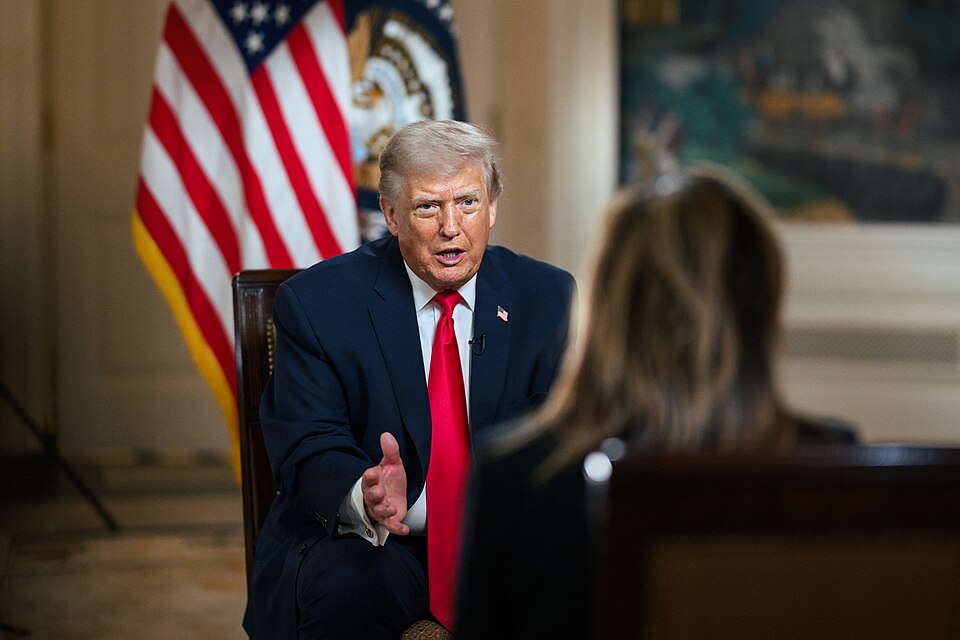
Pressure simply couldn’t be higher.
President Donald Trump is now facing one of the toughest international crises of his presidency as tensions with Iran continue to threaten the Strait of Hormuz, one of the most important shipping lanes in the world.
With oil markets nervous, global trade under pressure, and Americans already watching inflation closely, this developing conflict could become a major economic test for the Trump administration.
Why The Strait Of Hormuz Matters
The Strait of Hormuz is a narrow waterway connecting the Persian Gulf to global markets. Nearly 20% of the world’s oil supply typically moves through this route, making it one of the most critical trade corridors on earth.
If shipping is disrupted, the effects can spread quickly across the globe. Americans could see:
- Higher gas prices
- Rising food costs
- More expensive airline tickets
- Stock market volatility
- Increased inflation pressure
- Higher home heating and utility bills
For retirees and working families alike, these price increases can hit household budgets fast.
Trump Delays Military Action
President Trump recently announced he would hold off on additional strikes against Iran while waiting for a possible peace proposal. At the same time, the United States continues efforts to restrict Iran’s ability to profit from oil exports.
That approach aims to pressure Tehran economically while avoiding a broader war. However, experts warn prolonged uncertainty alone can still damage global markets.
Even without direct conflict, fear of disruption often sends crude oil prices sharply higher.
Iran’s Powerful Advantage
Although the United States has the world’s strongest military, Iran has one major advantage: geography.
Its coastline sits directly beside the Strait of Hormuz, allowing it to use drones, missiles, naval patrols, and harassment tactics to create risk for cargo ships and oil tankers.
That means Iran does not need to defeat the United States militarily to create serious economic pressure. It only needs to make shipping dangerous enough for markets to panic.
Americans Could Feel It Fast
If tensions worsen, everyday Americans may feel the impact quickly through:
Gas Prices
Even a modest oil spike can send prices higher at the pump nationwide.
Grocery Bills
Higher fuel and transport costs often lead to more expensive food.
Travel Costs
Airlines typically pass higher jet fuel prices on to customers.
Retirement Accounts
Stock markets often react sharply to instability in major oil regions.
Global Allies Watching Closely
Traditional U.S. allies including France, United Kingdom, and Gulf partners are closely monitoring the crisis. Many nations rely heavily on stable oil flows from the region.
If the conflict drags on, pressure may grow for a diplomatic solution that restores safe shipping lanes.
Can Trump Solve The Crisis?
Supporters argue President Trump has repeatedly shown strength under pressure and may use economic leverage to force negotiations. Critics say any prolonged standoff risks hurting consumers worldwide.
Long-term solutions may include:
- New regional pipelines
- Expanded domestic energy production
- Stronger naval protection for shipping
- Tougher sanctions enforcement
- Negotiated peace agreements
Bottom Line
President Trump now faces a high-stakes challenge: contain Iran, protect global trade, and shield Americans from rising prices.
If oil markets spike, voters could feel the consequences quickly at gas stations, grocery stores, and in retirement accounts.
The next few weeks may determine whether this crisis fades—or becomes a new economic headache for millions of Americans.