Americans are asking for answers.
Millions of Americans are asking the same question: if oil prices have fallen, why are gas prices still so high?
After the United States and Iran reached a memorandum of understanding aimed at reducing tensions in the Middle East, crude oil prices dropped close to where they were before the conflict began. Yet drivers across the country are still paying far more at the pump than they were just a few months ago.
The situation has sparked frustration among consumers and renewed debate over who is responsible for keeping gasoline prices elevated.
Trump Blames Big Oil
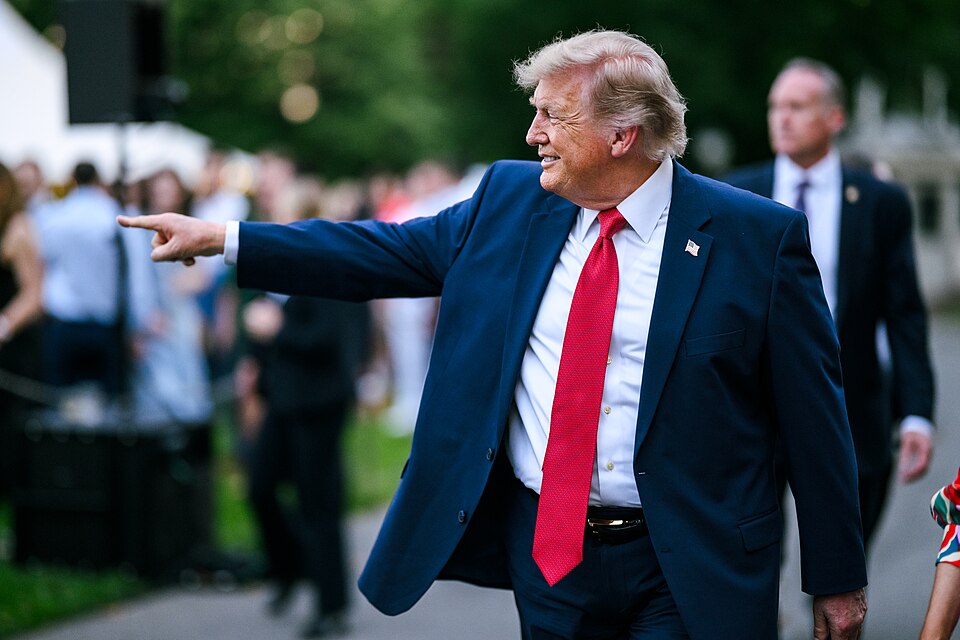
President Donald Trump has publicly criticized major oil companies, arguing they have failed to pass lower crude oil prices on to consumers.
In a Truth Social post, Trump accused the industry of overcharging Americans despite declining oil prices.
“The big Oil Companies are not dropping their price at the pump commensurate with the sharply lower prices they are paying for Oil,” Trump wrote.
“In other words, customers are being ‘gouged.'”
Trump also said he instructed the Department of Justice to investigate whether consumers are being treated unfairly.
Energy Experts Say the Problem Is More Complicated
Not everyone agrees with the president’s assessment.
According to energy analyst Andy Lipow, president of Lipow Oil Associates, the public may be directing its anger at the wrong target.
Lipow notes that major oil companies own fewer than five percent of gas stations in the United States. While many stations carry familiar oil company brands, most are independently owned small businesses that set their own retail prices.
He argues that many station owners have been slow to reduce prices after wholesale fuel costs declined, allowing them to recover profit margins that were squeezed when oil prices surged during the recent conflict.
Oil Prices Have Fallen, But Gas Prices Lag Behind
Oil prices climbed sharply during the fighting with Iran after concerns grew that shipping through the Strait of Hormuz could be disrupted. Because roughly one-fifth of the world’s oil supply normally travels through the strategic waterway, markets reacted quickly.
National gasoline prices surged as well, climbing above $4.50 per gallon during the height of the crisis.
Since then, crude oil prices have dropped significantly. West Texas Intermediate crude has returned to roughly $69 per barrel, only slightly above pre-conflict levels.
Gasoline prices, however, remain stubbornly high, averaging about $3.90 per gallon nationwide—nearly a dollar higher than earlier this year.
Why Prices Don’t Fall Overnight
Energy analysts say gasoline prices almost always decline more slowly than oil prices.
Rob Smith, director of global fuel retail at S&P Global Energy, explained that retailers often absorb higher wholesale costs during rapid price spikes. When oil prices fall, many stations keep prices elevated temporarily to recover those earlier losses.
Industry veterans often describe the pattern with an old saying: gasoline prices “rise like a rocket and fall like a feather.”
Low fuel inventories are also contributing to the problem.
Claudio Galimberti, chief economist at Rystad Energy, says gasoline supplies remain relatively tight while Americans are traveling during the busy summer driving season. Strong demand combined with lower inventories can keep prices elevated even as crude oil becomes cheaper.
Industry Pushes Back
The American Petroleum Institute rejected claims that oil companies are intentionally overcharging consumers.
Industry officials say gasoline prices are influenced by many factors beyond crude oil, including refining costs, transportation expenses, supply levels, and local competition.
Chevron Chief Financial Officer Eimear Bonner also said lower prices should eventually reach consumers but warned that it takes time for falling oil costs to work through the supply chain.
A Competitive Marketplace
Analysts also question whether widespread price gouging is realistic.
The U.S. gasoline market consists of thousands of independently owned stations competing against one another. Because prices are displayed prominently on nearly every corner, retailers face constant pressure to remain competitive.
Experts say that highly fragmented marketplace makes coordinated pricing extremely difficult.
American Families Continue Feeling the Squeeze
Regardless of who is responsible, elevated gasoline prices continue to strain household budgets.
Higher fuel costs leave families with less money for groceries, restaurants, vacations, clothing, and other everyday expenses. For many lower-income households, rising transportation costs can also lead to increased credit card debt simply to cover essential travel.
With millions of Americans still watching every dollar, relief at the gas pump cannot come soon enough.
The Bottom Line
Although crude oil prices have largely returned to pre-conflict levels, gasoline prices remain well above where many drivers expected them to be. President Trump has pointed the finger at major oil companies, while many economists argue local gas stations, tight inventories, and normal market delays are playing a much larger role.
For now, Americans continue waiting for lower oil prices to translate into meaningful savings every time they fill up.