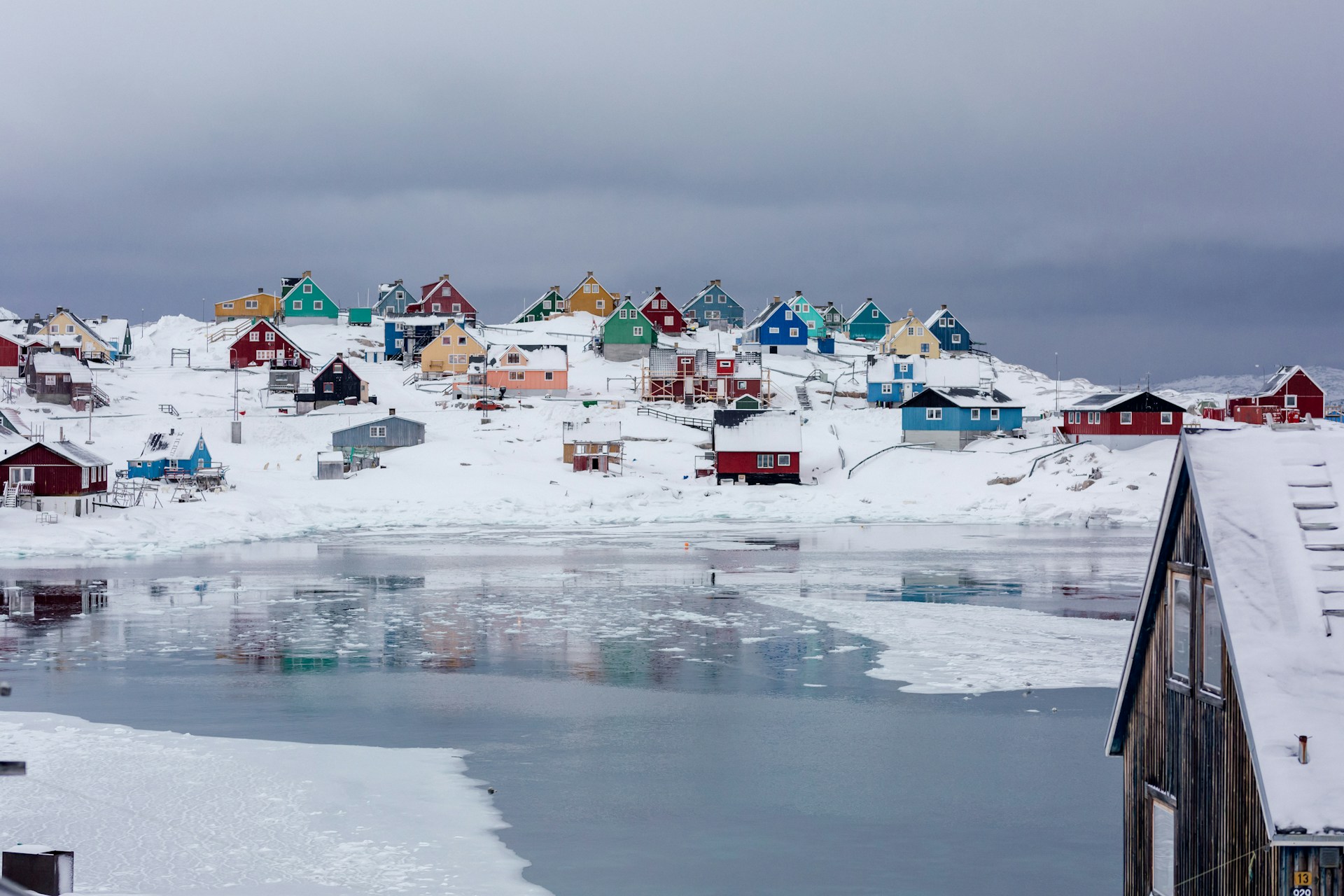
The Trump administration is once again putting Greenland at the center of a growing national security debate—raising eyebrows in Washington and triggering alarm across Europe.
Secretary of State Marco Rubio confirmed Wednesday that he plans to meet with Danish officials next week, following renewed interest from President Donald Trump in securing U.S. control over Greenland, a massive Arctic territory that remains self-governing under Denmark.
Why Greenland Matters to America
President Trump has long argued that Greenland’s strategic location makes it critical to U.S. defense interests—particularly as China and Russia continue expanding their military and economic footprint in the Arctic. Supporters of the president say the issue is less about expansion and more about protecting American security in a rapidly changing world.
According to administration officials, Trump’s preference remains a negotiated purchase, not military action. Still, the White House has stopped short of publicly ruling out any options when it comes to national defense.
Rubio told reporters that Trump has been considering the idea since his first term.
“This has always been something the president has looked at seriously,” Rubio said. “He’s far from the first American leader to recognize Greenland’s strategic value.”
Diplomatic Talks Set After Long Delay
Denmark’s foreign minister, Lars Løkke Rasmussen, along with Greenland’s foreign minister, Vivian Motzfeldt, asked to meet with U.S. officials after earlier efforts to open talks went unanswered. Greenland’s government said the upcoming meeting will mark the first senior-level discussion on the matter in several months.
Rubio confirmed the talks but declined to comment on whether military force would ever be considered.
“Our first approach is diplomacy,” he said, emphasizing that conversations with Denmark would take place behind closed doors.
White House Press Secretary Karoline Leavitt echoed that message, stating that diplomacy remains the president’s preferred path—while noting that any U.S. president retains the authority to act if national security is threatened.
Europe Reacts With Alarm
European leaders pushed back strongly against President Trump’s renewed focus on Greenland. Denmark’s prime minister, Mette Frederiksen, was joined by leaders from the United Kingdom, Germany, France, Spain, Italy, and Poland in releasing a joint statement declaring that Greenland’s destiny should be decided by its own people.
Frederiksen warned that any forced takeover could severely damage NATO unity, a concern echoed by several European defense analysts.
Still, supporters of Trump argue that his tough language is a negotiating tactic—one he has used successfully in trade, defense, and foreign policy matters.
Republicans See Strategic Value—With Caution
Republican lawmakers largely acknowledged Greenland’s importance while urging diplomacy over confrontation.
Sen. Roger Marshall of Kansas said he hoped the issue could be resolved through negotiation, while Sen. John Hoeven of North Dakota suggested media coverage had exaggerated talk of military force.
“President Trump keeps adversaries guessing,” Hoeven said. “That’s part of how he protects American interests.”
Not all Republicans were comfortable with the rhetoric. Sen. Lisa Murkowski of Alaska called discussion of acquiring Greenland “unsettling.”
Meanwhile, bipartisan leaders of the Senate NATO Observer Group warned that pressuring a U.S. ally could undermine long-standing treaty obligations.
U.S. Already Has a Military Footprint
The Pentagon already operates the Pituffik Space Base in northwestern Greenland, a key installation for missile defense and space surveillance. The United States also enjoys broad access to Danish military facilities following expanded agreements approved by Denmark’s parliament last year.
Some analysts argue that formal U.S. ownership of Greenland would offer limited additional military benefits while creating major diplomatic fallout. Others counter that Arctic dominance will define future global power—and that delaying action could benefit America’s rivals.
The Bottom Line
For now, the Trump administration says it is focused on diplomacy, not confrontation. But as global competition intensifies and the Arctic becomes increasingly militarized, Greenland is once again emerging as a flashpoint in the fight for strategic advantage.
Whether these talks lead to a historic deal—or deepen tensions with America’s allies—remains to be seen.