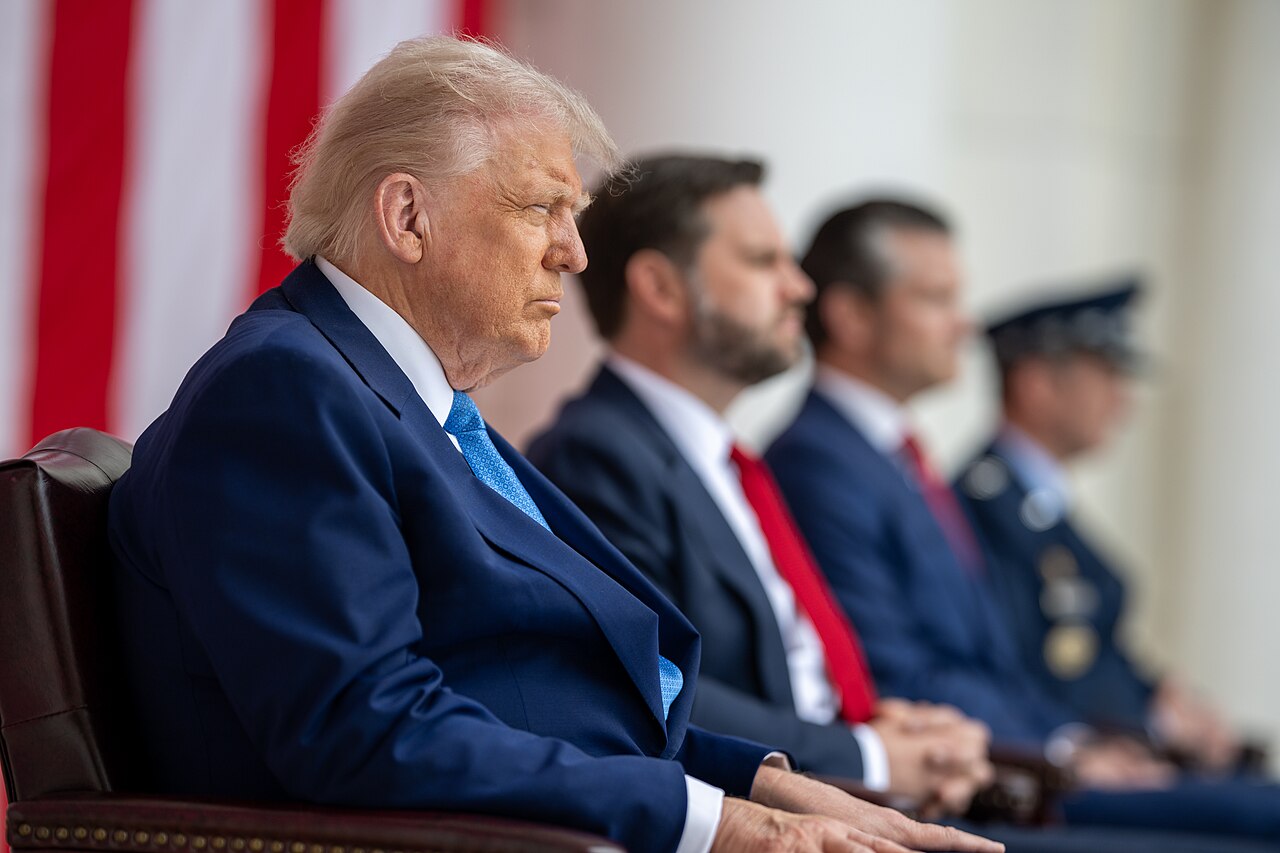
Here are the facts directly from Trump.
President Donald Trump is pulling back the curtain on a developing international crisis that could hit Americans where it hurts most—their wallets.
In a Truth Social post Monday, Trump reported that 34 ships successfully passed through the Strait of Hormuz on Sunday, calling it the highest number since tensions with Iran disrupted one of the world’s most important oil routes.
However, maritime tracking firm Kpler offered a much lower estimate, reporting only 14 vessels. The discrepancy raises serious questions about what information is being downplayed—and why.
Why the Strait of Hormuz Is Critical to Your Wallet
The Strait of Hormuz is not just another overseas location—it’s a lifeline for the global economy.
- Roughly 20% of the world’s oil supply passes through it
- Any disruption can send gas prices soaring overnight
- Retirees and working Americans feel the impact immediately
Since the conflict between the United States and Iran escalated earlier this year, traffic through the strait has been unstable, creating uncertainty in already volatile energy markets.
Trump Orders Strong Action Against Iran
President Trump confirmed that the United States has now implemented a blockade targeting Iranian ports, a decisive move aimed at restoring control over the region and protecting global shipping lanes.
The market response was immediate:
- Oil prices surged past $100 per barrel
- Analysts warned of continued volatility
- Americans could soon see higher costs at the pump
For millions of Americans living on fixed incomes, this is not just foreign policy—it’s personal.
Peace Talks Fail—but Iran Reaches Back Out
Over the weekend, high-level negotiations between the U.S. and Iran collapsed after more than 20 hours of talks in Pakistan.
Vice President JD Vance described the discussions as “serious,” but confirmed that no agreement was reached.
The Trump administration made one thing clear:
- The Strait of Hormuz must be fully reopened
- No tolls or restrictions will be tolerated
Iranian spokesperson Esmail Baghaei acknowledged the talks were intense, covering sanctions, nuclear policy, and war-related compensation.
But in a surprising twist, President Trump revealed Monday morning that Iranian officials have already reached out again.
“They want to work,” Trump said, suggesting the pressure may be having an effect.
What Happens Next Could Impact Every American
This situation is far from over—and the stakes couldn’t be higher.
If tensions escalate:
- Gas prices could spike nationwide
- Retirement savings tied to markets could fluctuate
- Supply chains may face new disruptions
If a deal is reached:
- Markets could stabilize quickly
- Energy costs may ease
- Global tensions could cool
The Bottom Line
While much of the mainstream media focuses elsewhere, the reality is simple:
What happens in the Strait of Hormuz directly affects your cost of living.
President Trump’s latest update suggests that strong action is already shifting the balance—but whether it leads to peace or further escalation remains to be seen.
One thing is certain: Americans should be paying close attention.