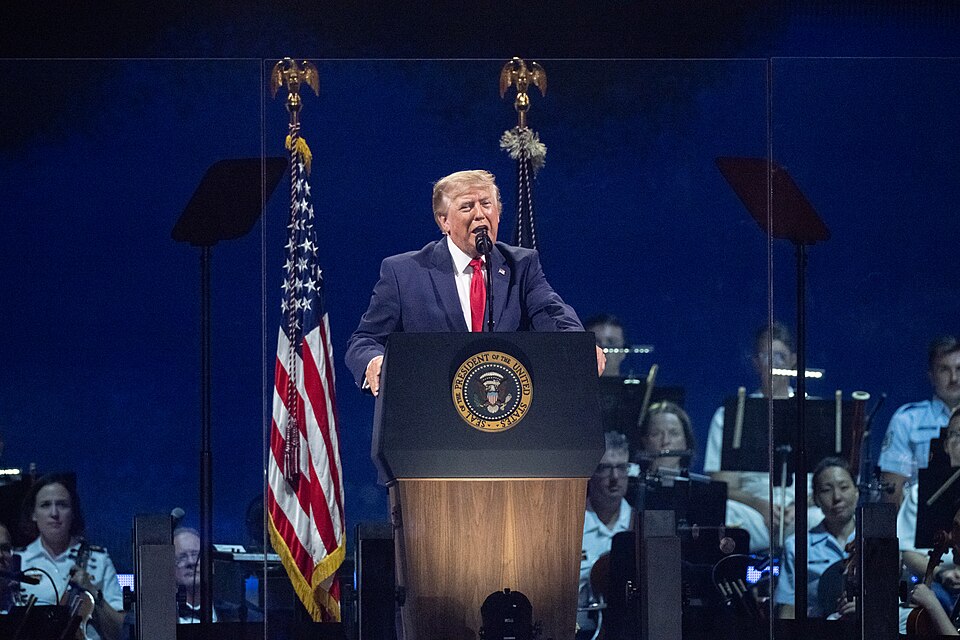
Here’s what Trump is doing now.
Millions of Medicare beneficiaries could soon see changes to their prescription drug coverage after the Trump administration announced Tuesday that it will phase out a Biden-era Medicare premium subsidy program. Administration officials say the temporary subsidy is no longer needed because the Medicare market has stabilized, while critics are watching closely to see how the move affects seniors’ monthly costs.
The subsidy program will expire at the end of 2026 and will not continue into 2027, marking one of the biggest changes to Medicare Part D prescription drug coverage since the program was expanded under the previous administration.
What Is Medicare Part D?
Medicare Part D is a voluntary prescription drug benefit available through private health insurance providers. It helps eligible Medicare recipients reduce the cost of both generic and brand-name medications and can be selected as a separate plan to complement Original Medicare or obtained through many Medicare Advantage plans that include drug coverage.
The Biden administration expanded Medicare Part D through a series of reforms that included a $2,000 annual cap on out-of-pocket prescription drug costs and allowed Medicare to negotiate prices on certain high-cost medications. The premium subsidy was introduced to help keep monthly costs lower for many enrollees during the transition.
With the subsidy now set to end, millions of seniors and Americans with disabilities are waiting to learn what their monthly premiums will look like beginning in 2027.
What Changes in 2027?
The Centers for Medicare & Medicaid Services (CMS) said updated pricing information for Medicare Part D plans will be released between mid-September and late September, giving beneficiaries time to compare plans before the annual Medicare Open Enrollment period.
According to CMS, the 2027 national average monthly bid amount for Medicare Part D plans will be $296.05. This figure is used to calculate the federal government’s direct subsidy payments to private insurance companies that offer Medicare drug plans.
CMS also announced that the 2027 base beneficiary premium will be $41.33 per month.
Approximately 25 million Americans are enrolled in standalone Medicare Part D prescription drug plans, making the upcoming changes important for millions of households planning their healthcare expenses.
Trump Administration Defends the Decision
The Trump administration argues that ending the temporary subsidy will save taxpayer dollars while maintaining affordable prescription drug coverage for seniors.
CMS Administrator Dr. Mehmet Oz said the Medicare market has improved enough that the additional federal assistance is no longer necessary.
“We are stabilizing the market so this bailout is no longer needed,” Oz wrote in a post on X.
He added that most Medicare beneficiaries are expected to see premium increases of less than $10 per month, while many could actually see their monthly premiums decline.
Oz also emphasized that seniors will continue to have access to affordable Medicare prescription drug plans and pointed to additional Trump administration initiatives aimed at lowering healthcare costs. Those efforts include expanding most-favored-nation pricing policies for prescription drugs and increasing access to GLP-1 medications for eligible Medicare beneficiaries at approximately $50 per month.
What Medicare Beneficiaries Should Expect
Although the federal subsidy program is ending, Medicare beneficiaries will still have multiple prescription drug plans to choose from during Open Enrollment.
Experts recommend reviewing available plans each year because premiums, deductibles, covered medications, and pharmacy networks can change. Comparing plans during the enrollment period can help seniors find the coverage that best fits their healthcare needs and budget.
For now, beneficiaries will need to wait until CMS releases final premium information later this year before learning exactly how the changes will affect their individual prescription drug costs in 2027.
The Trump administration says its goal is to reduce unnecessary federal spending while continuing to improve access to affordable prescription medications for America’s seniors. More details on 2027 Medicare Part D premiums and plan options are expected when CMS publishes its final pricing information later this year.