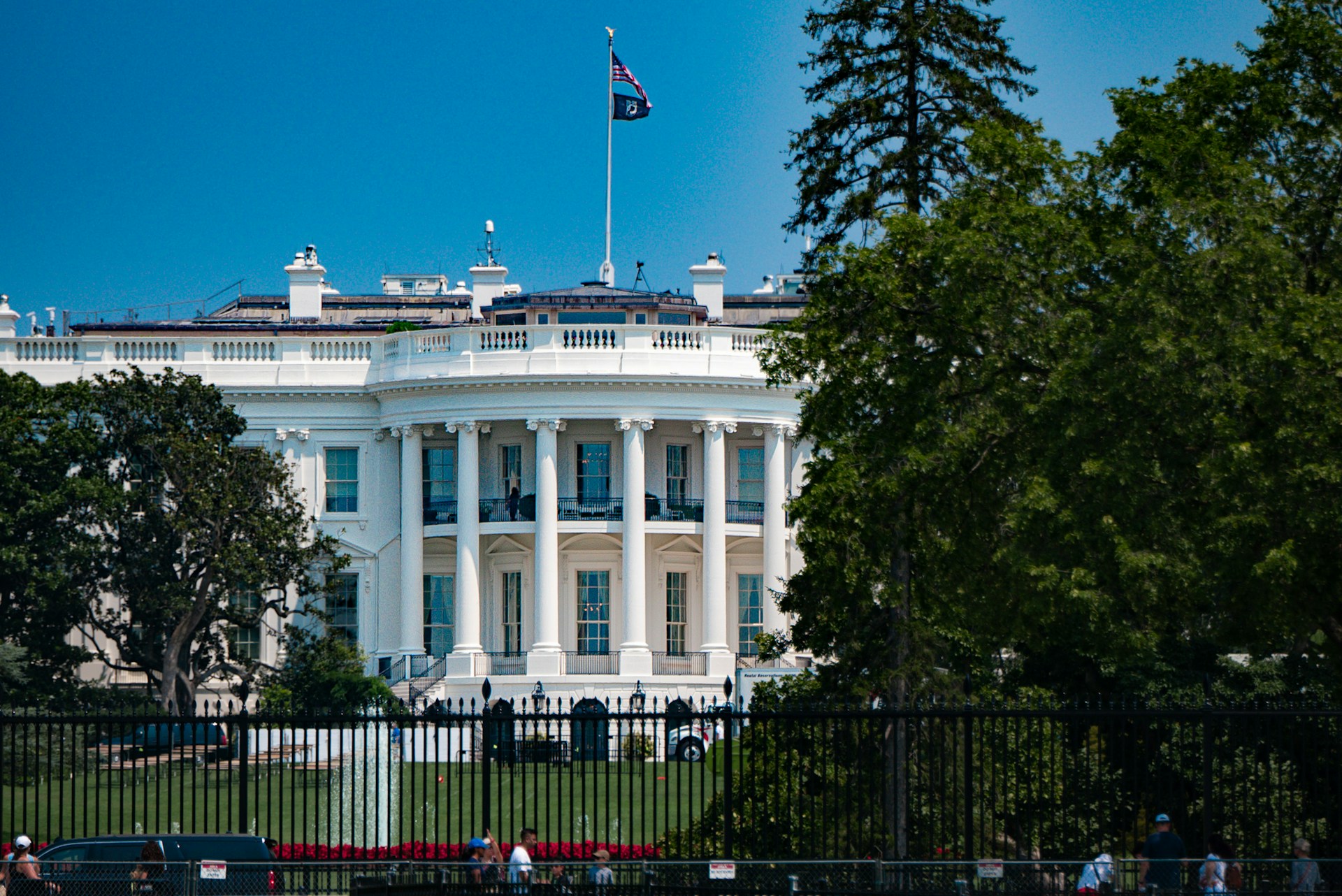
Sadly, President Trump gets blamed for everything.
The U.S. economy is sending alarming signals as unemployment rates for Black Americans surge to their highest level in years, sparking intense debate and finger-pointing aimed directly at President Donald Trump.
According to new Bureau of Labor Statistics (BLS) data released Friday, Black unemployment jumped from 7.2% in July to 7.5% in August — the sharpest rise since late 2021. For comparison, the overall U.S. unemployment rate stands at 4.3%, while white unemployment remains far lower at just 3.7%.
The data reveals a disturbing trend:
- Since January, white unemployment has crept up only 0.3%,
- Black unemployment has soared by 1.3%, with most of the increase happening in just the past three months.
This sudden spike comes as Trump faces mounting criticism for his aggressive efforts to cut federal jobs and overhaul the civil service — actions some say are disproportionately harming Black workers.
Why Black Unemployment Is Rising So Fast
Economists point to one primary factor: deep federal workforce cuts.
“Black Americans are disproportionately employed in federal jobs, so when mass layoffs hit, these workers are often the first to feel the pain,”
— Gary Hoover, Tulane University economics professor.
A Pew Research Center report earlier this year found that Black Americans make up 18.6% of the federal workforce, far higher than their 12.8% share of the overall population. This means Trump’s sweeping federal cuts — spearheaded by the Department of Government Efficiency (DOGE) — have hit Black families especially hard.
Recent data underscores the scale of these cuts:
- Nearly 300,000 planned layoffs have been announced in 2025 tied to DOGE initiatives.
- Almost 200,000 federal workers have already left their jobs, according to the Partnership for Public Service.
Trump Administration Defends Its Strategy
The White House argues that these measures are necessary to reduce waste, rebuild the economy, and create long-term opportunities.
- In April, Trump signed an executive order establishing a new HBCU (Historically Black Colleges and Universities) initiative to connect students with employers and expand access to federal research grants.
- On July 4th, Trump signed the One Big Beautiful Bill Act, which gives hourly and service workers — a group with many Black workers — the ability to deduct up to $25,000 in tip income, boosting take-home pay.
Supporters say these moves are laying the groundwork for real growth, but critics warn they may not offset the immediate impact of mass layoffs.
The Bigger Picture: Signs of a Weakening Economy
Many economists see this surge in Black unemployment as a warning sign of an approaching recession.
“The overall labor market is cooling off,” said labor economist Marlene Kim, noting that historically, Black workers are first to be laid off and last to be rehired during downturns.
The August jobs report revealed troubling numbers:
- The U.S. added just 22,000 jobs, far below the 75,000 economists expected.
- July’s numbers were also revised downward, causing Trump to fire the nation’s top employment statistician.
- For the first time since 2021, there are now more unemployed Americans than available job openings.
Moody’s Chief Economist Mark Zandi described the situation as a “strong signal that the job market is under serious strain.”
Even college graduates, traditionally shielded from hiring struggles, are finding it harder than ever to land jobs, adding to fears that the economy is heading toward a major slowdown.
Historical Context: Trouble Often Starts Here
History shows that rising Black unemployment often precedes broader economic collapse:
| Year | Black Unemployment Rate | Context |
|---|---|---|
| 2010 | 16.8% | Great Recession Peak |
| 2019 | 5.3% | Pre-COVID Trump Economy |
| 2020 | 16.8% | COVID Lockdowns |
| 2023 | 4.8% (Record Low) | Economic Rebound |
“Black and young workers are like the canary in the coal mine,”
Hoover explained. “When we see their unemployment spike, a larger economic downturn usually follows.”
Political Fallout and What Comes Next
Democrats are seizing on the report to attack Trump’s economic policies, accusing the administration of “abandoning vulnerable communities” while protecting Wall Street and big corporations.
The White House counters that its policies are targeted at fixing systemic problems, not just providing temporary relief.
Still, for millions of families, political debates offer little comfort as layoffs increase and household budgets grow tighter. With Trump officials signaling even deeper cuts ahead, some economists warn a recession could be imminent.
Key Takeaways for Older Conservative Voters
- Federal job cuts are disproportionately affecting Black workers and other vulnerable groups.
- Black unemployment spikes historically signal looming recessions, impacting everyone.
- Trump’s new tax relief law could boost take-home pay for millions of service workers.
- The next few months will be critical for retirees, investors, and working families to prepare financially.
Why This Matters to YOU
For older Americans — especially retirees, small business owners, and those living on fixed incomes — a weak labor market can mean:
- Stock market volatility and shrinking retirement accounts.
- Higher taxes as the government tries to offset lost revenue.
- Reduced services, particularly for veterans and seniors, as federal agencies scale back.
Staying informed and prepared is essential as the economy enters a period of uncertainty.
Final Thought
The spike in Black unemployment isn’t just a statistic — it’s a warning shot for the entire economy. Whether Trump’s bold cuts are a necessary reform or a risky gamble will soon become clear as America braces for what could be the most pivotal economic moment in years.