Here are the details.
The Trump administration has approved a new immigration and relocation agreement with the Pacific island nation of Palau, creating a lawful pathway for certain non-criminal migrants currently in the United States to relocate overseas rather than remain in prolonged legal limbo.
Under the agreement, Palau will accept up to 75 third-country individuals who are already subject to U.S. deportation orders but cannot be returned to their home nations because those governments refuse to cooperate. All participants must have no criminal convictions.
In return, the United States will provide $7.5 million in financial assistance to help Palau support public services, infrastructure, and workforce needs.
Legal Relocation Instead of Costly Detention
U.S. officials say the arrangement helps reduce the high cost of detention and deportation, which can exceed $17,000 per individual, while still enforcing immigration law.
Palau’s president, Surangel Whipps Jr., confirmed the agreement on Christmas Eve, stating that the individuals will be allowed to live and work legally in Palau and help fill labor shortages in essential sectors.
“This agreement allows up to 75 third-country nationals, who have never been charged with a crime, to live and work in Palau,” Whipps said, adding that the funding will support public services and infrastructure.
The U.S. Embassy in Koror described the deal as part of ongoing cooperation with the Trump administration on immigration enforcement and national security, calling border control a “top priority.”
Additional U.S. Support Included
Beyond the $7.5 million grant, the Trump administration also approved:
- $6 million to stabilize Palau’s government pension system
- $2 million for new law-enforcement and security initiatives
Palau already receives long-term U.S. assistance through a compact agreement that provides nearly $900 million over 20 years, supporting education, healthcare, public safety, and government operations.
A Long-Standing U.S. Ally in the Pacific
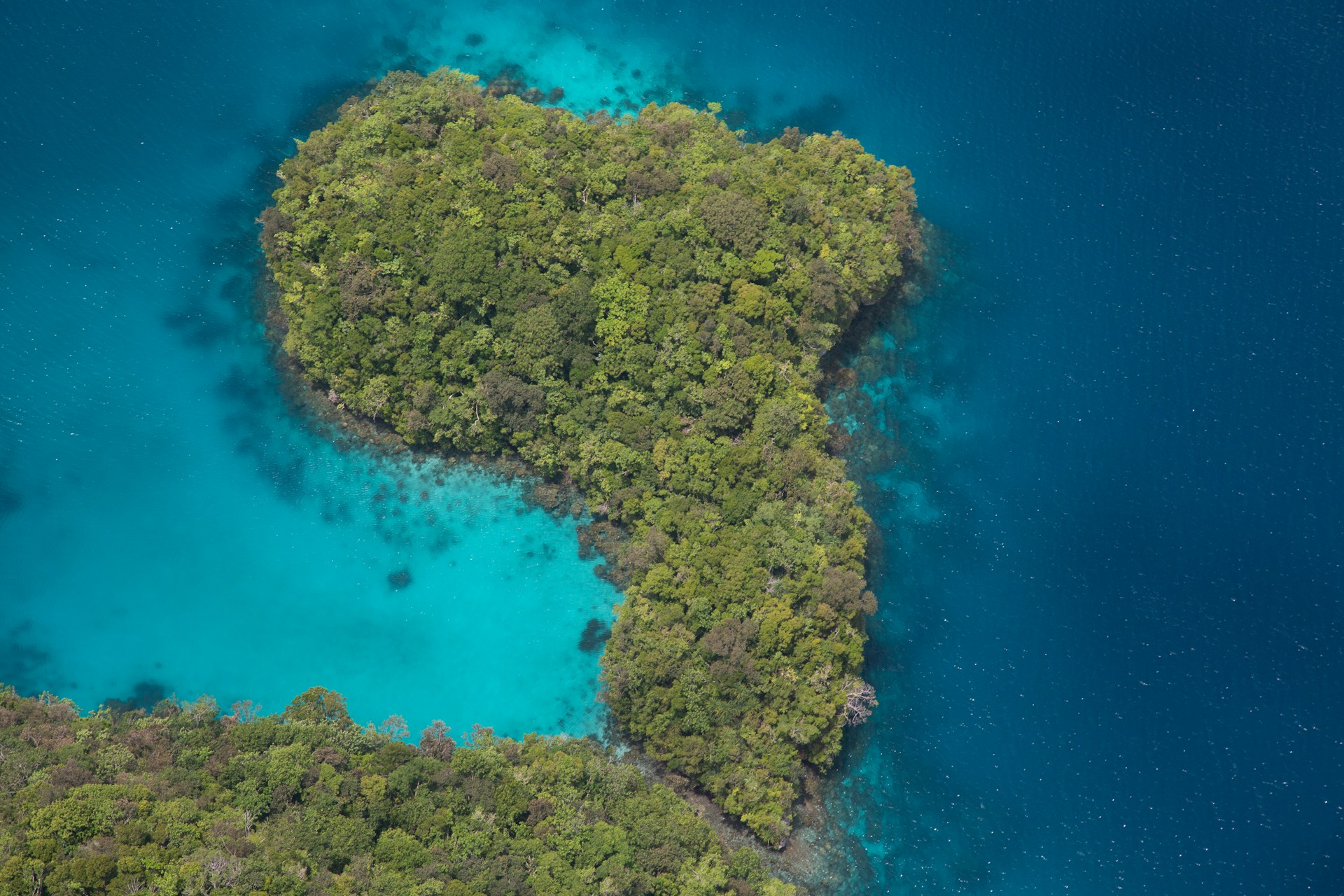
Palau sits in the western Pacific east of the Philippines and lies roughly a two-hour flight from Guam. The island nation shares a long-standing historical connection with the United States, dating back to World War II, when American troops wrested control of the islands from Japan following the brutal Battle of Peleliu, one of the most deadly engagements of the Pacific war.
Although Palau became fully independent in 1994, it maintains close ties with Washington. The country uses the U.S. dollar, relies on the U.S. military for defense, and allows its citizens to live and work freely in the United States. English is also a co-official language.
Part of a Broader Trump Immigration Strategy
Supporters of President Donald Trump say the Palau agreement reflects a broader effort to enforce immigration law while reducing taxpayer costs.
The administration has pursued similar agreements with other nations willing to accept third-country migrants, particularly those without criminal records. Officials argue these deals prevent prolonged detention while ensuring deportation orders are carried out.
The Trump administration has also expanded voluntary self-deportation programs, offering financial incentives and one-way airfare as a lower-cost alternative to extended detention.
A Familiar Name to Many Americans
Palau gained mainstream attention in 2005 when it served as the filming location for Survivor, introducing millions of Americans to the remote island nation.
Bottom Line
Administration officials say the Palau agreement balances immigration enforcement, fiscal responsibility, and international cooperation. Supporters view it as another example of the Trump administration pursuing lawful solutions that reduce costs, maintain border integrity, and strengthen strategic partnerships abroad.