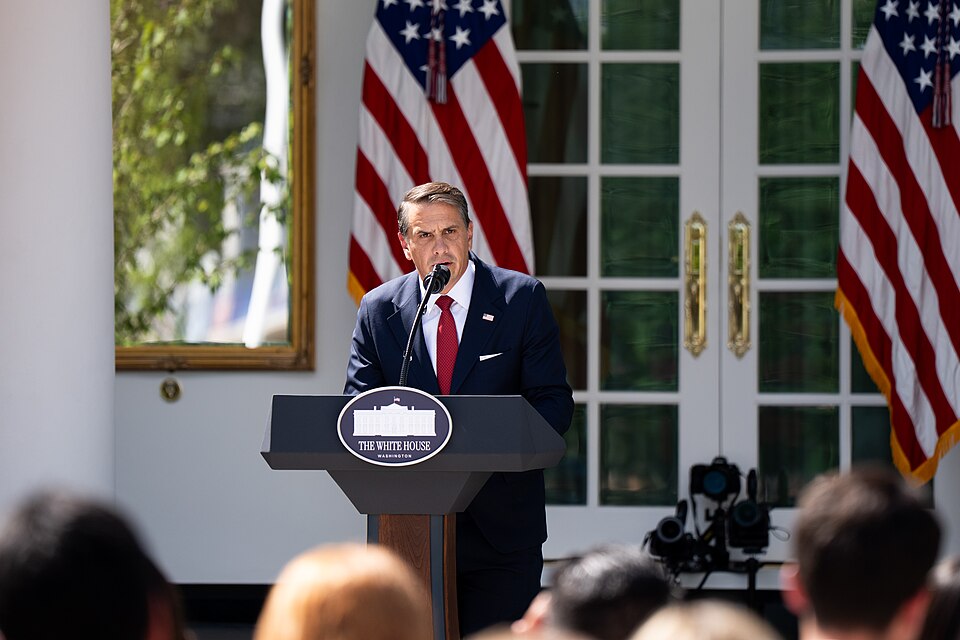
Things clearly got tense.
Attorney General Todd Blanche faced a tense round of questioning on CNN Sunday as he defended President Donald Trump’s demand for a Justice Department investigation into Democratic lawmakers following the 2026 midterm elections.
During a heated appearance on State of the Union, CNN host Dana Bash repeatedly pressed Blanche on whether federal prosecutors would investigate Democrats who have threatened congressional investigations, impeachment proceedings, and other actions against Trump administration officials.
Blanche refused to rule out possible investigations, arguing that some Democratic lawmakers have crossed the line between legitimate government oversight and political intimidation.
The exchange highlighted growing tensions in Washington as Democrats prepare to take control of Congress and challenge the president’s administration.
Trump Administration Pushes Back Against Democrats
The controversy began Saturday when President Trump issued a strongly worded statement on Truth Social criticizing Democratic lawmakers over their plans to investigate his administration.
Trump accused Democrats of using threats of impeachment, investigations, and other political consequences to intimidate Republican officials, conservative supporters, and private businesses.
The president described the conduct as possible extortion and directed the Justice Department to examine the matter.
During Sunday’s interview, Bash asked Blanche whether he intended to carry out Trump’s instructions and what specific criminal activity might justify an investigation.
Blanche responded by pointing to statements from Democratic lawmakers following their election victories.
The attorney general argued that some Democrats appeared more interested in targeting political opponents than addressing the concerns facing American families.
He also expressed concern about statements directed toward Republican donors and young Americans considering employment in conservative organizations or the Trump administration.
CNN Host Challenges Blanche Over Congressional Investigations
Bash challenged Blanche’s argument, emphasizing that Congress has a constitutional responsibility to oversee the executive branch.
She questioned whether Democratic lawmakers were simply preparing to exercise their legitimate investigative authority.
Blanche pushed back forcefully.
The attorney general acknowledged that Congress has the authority to conduct oversight but argued that lawmakers should not use that responsibility as justification for threatening political opponents.
He pointed to Democratic discussions about investigating Cabinet officials, private companies, and individuals associated with the administration.
According to Blanche, the administration welcomes legitimate oversight but objects to what he characterized as politically motivated threats.
The disagreement became increasingly contentious as Bash continued asking whether the Justice Department would actually pursue criminal investigations.
Blanche maintained that the answer would depend on the specific statements and conduct involved.
Attorney General Raises Concerns About Political Intimidation
One of Blanche’s central arguments involved the potential consequences of political rhetoric directed at ordinary Americans.
He criticized Democratic Sen. Elissa Slotkin of Michigan over comments discouraging young people from pursuing positions within the Trump administration.
Slotkin had suggested that accepting such employment could lead to professional and personal difficulties later.
Blanche argued that statements of this nature could discourage qualified Americans from entering public service because of their political beliefs.
The attorney general also criticized California Democratic Rep. Robert Garcia, who is preparing to lead the House Oversight Committee.
Garcia recently warned Trump administration allies to “lawyer up” as Democrats prepare to conduct investigations.
Blanche questioned whether those remarks represented responsible congressional oversight or an effort to intimidate people connected to the president.
Democrats maintain that their investigative plans are intended to hold government officials accountable and examine potential wrongdoing.
Blanche, however, argued that political leaders should be careful about threatening individuals before any misconduct has been established.
Could Democrats Face Criminal Investigations?
The interview took another serious turn when Bash questioned Blanche about Trump’s suggestion that certain Democratic lawmakers could face imprisonment.
Rather than rejecting the possibility outright, Blanche indicated that criminal consequences would depend on whether an actual offense had occurred.
He did not identify a specific criminal statute that Democratic lawmakers had violated or announce that charges were being prepared.
Instead, the attorney general emphasized that political speech is protected under the Constitution while maintaining that some conduct could potentially cross legal boundaries.
That distinction is important.
Members of Congress have broad authority to investigate government agencies, question administration officials, and consider impeachment proceedings.
Those activities are not automatically criminal simply because the president or his administration disagrees with them.
At the same time, federal law prohibits certain forms of threats, coercion, and extortion when the applicable legal requirements are met.
Determining whether any particular statement violates the law requires examining its circumstances and the evidence involved.
As of Sunday’s interview, Blanche had not publicly confirmed that criminal charges were being pursued against Democratic lawmakers over their recent statements.
Democrats Prepare For Showdown With White House
The confrontation comes at a sensitive time for the Trump administration.
Democrats secured control of both chambers of Congress in the November midterm elections, creating the possibility of expanded investigations into the administration.
Democratic leaders have already signaled that congressional oversight will become a major priority when the new Congress takes office.
Garcia and other lawmakers have indicated that they intend to examine the administration’s conduct, including decisions involving senior officials and private entities connected to the president.
Blanche argued that some Democrats appear to have reached conclusions about wrongdoing before conducting formal investigations.
He also criticized the swift Democratic response to Stephen Miller’s promotion to White House chief of staff.
The attorney general suggested that threats of investigations and other consequences directed toward administration officials could undermine the purpose of legitimate congressional oversight.
Democrats have rejected the administration’s characterization of their plans, maintaining that Congress must be able to investigate executive branch activities without interference.
The competing positions are setting the stage for a significant political and legal confrontation in Washington.
Battle Over Congressional Oversight Raises Constitutional Questions
Beyond the immediate television exchange, the dispute raises broader questions about the balance of power between Congress and the presidency.
The Constitution gives Congress important investigative and oversight responsibilities while assigning federal law enforcement authority to the executive branch.
Those separate responsibilities can become sources of conflict when lawmakers investigate an administration and the administration questions the legality of lawmakers’ conduct.
For Republicans, the controversy centers partly on concerns that congressional investigative powers could be used to punish individuals for their political associations.
For Democrats, the concern is that potential criminal investigations could discourage lawmakers from performing their constitutional duties.
Both arguments involve important principles, including free speech, equal treatment under the law, and the independence of federal law enforcement.
The Justice Department would need a legitimate legal basis for any prosecution, regardless of the political affiliations of those involved.
What Happens Next For Trump And Congressional Democrats?
Blanche’s CNN appearance made clear that the Trump administration is not backing away from its objections to the Democrats’ recent statements.
Although the attorney general stopped short of announcing criminal charges, he left open the possibility of investigations if officials determine that specific conduct warrants further examination.
Meanwhile, incoming Democratic congressional leaders appear determined to proceed with their oversight plans.
The developing confrontation could become one of the defining disputes between the White House and Congress as Washington enters a new period of divided government.
For Americans concerned about government accountability, political fairness, and the rule of law, the central question is whether both branches of government can exercise their constitutional authority without turning political disagreements into improper retaliation.
With President Trump demanding greater scrutiny of Democratic threats and congressional Democrats preparing investigations of their own, Washington appears headed toward another major showdown.