Schumer has got to go.
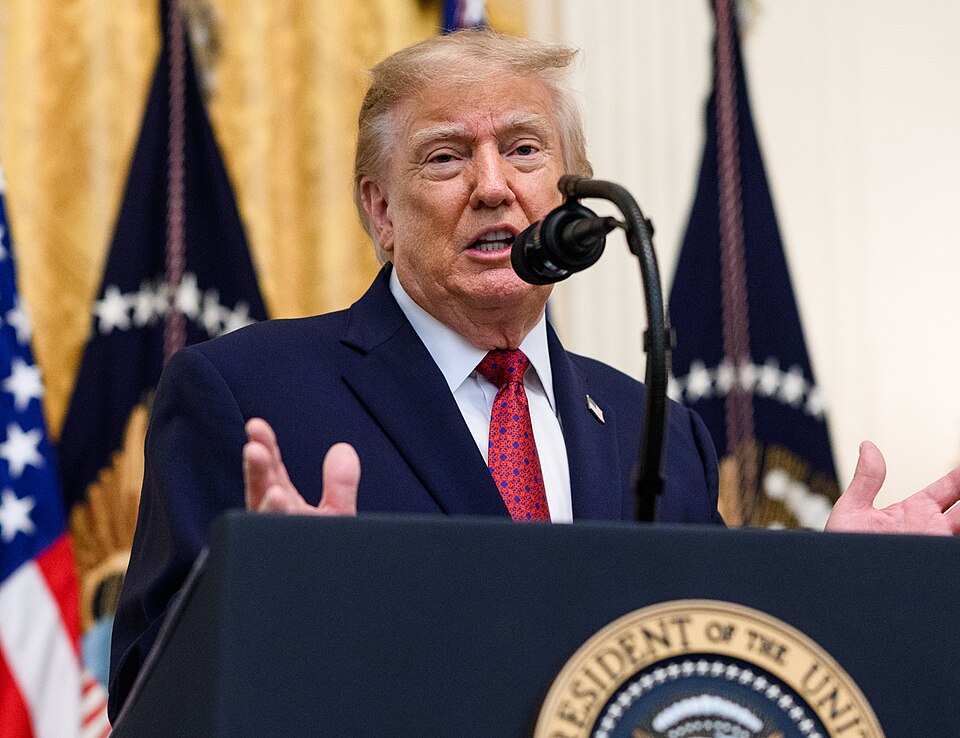
President Donald Trump has delivered another political blow to Senate Democratic leader Chuck Schumer, publicly questioning his ability to lead at a time when the New York Democrat is already facing growing opposition from members of his own party.
With Democrats preparing to take control of the Senate following the 2026 midterm elections, Schumer is fighting to keep his leadership position. However, a growing number of Democratic lawmakers are supporting an alternative candidate, creating an increasingly difficult political situation for the longtime senator.
Now, Trump’s latest remarks are adding more attention to a leadership battle that could have major consequences for Washington.
Trump Sends Schumer a Strong Message
In a Sunday post on Truth Social, Trump expressed serious doubts about whether he could establish a productive working relationship with Schumer if the Democratic leader assumes control of the Senate next year.
Trump accused Schumer of failing during his previous time in leadership and predicted that another term would produce similar results.
The president also criticized Schumer’s longstanding opposition to his administration, particularly his involvement in controversies surrounding allegations of Russian interference in the 2016 presidential election.
Trump argued that years of political attacks from Democratic leaders ultimately failed to prevent his return to the White House in 2024.
The comments underscore the increasingly tense relationship between the president and one of the Democratic Party’s most influential figures.
More importantly for Schumer, the president’s criticism comes as the senator faces a significant challenge from within Democratic ranks.
Democrats Begin Turning Against Schumer
Schumer’s troubles extend well beyond his disagreements with President Trump.
Sen. Chris Van Hollen of Maryland has emerged as a leading challenger for the Democratic leadership position, attracting support from prominent lawmakers who want a change in direction.
Among those backing Van Hollen are Sen. Bernie Sanders of Vermont, an independent who caucuses with Democrats, and Sen. Jeff Merkley of Oregon.
Incoming Democratic senators Abdul El-Sayed and Peggy Flanagan have also joined the effort to support Van Hollen.
Both incoming lawmakers represent a more progressive faction of the Democratic Party, highlighting the ideological divisions that have emerged following the midterm elections.
Another significant development came when Michigan Sen. Elissa Slotkin announced her support for Van Hollen.
The growing list of supporters suggests that the challenge to Schumer is more than a symbolic protest.
It represents a serious disagreement over who should guide Senate Democrats during the next phase of President Trump’s administration.
Schumer Refuses to Back Down
Despite mounting pressure, Schumer has made it clear that he has no intention of voluntarily surrendering his leadership position.
The New York Democrat has led Senate Democrats for nearly a decade, serving in both the majority and minority leadership roles.
His experience and relationships across Capitol Hill remain important advantages as he works to secure another term.
According to previous Fox News Digital reporting, Schumer had received support from 15 senators as the leadership contest developed.
Schumer has also publicly expressed confidence that he possesses enough votes to remain the Democratic leader.
However, the emergence of Van Hollen as a credible alternative has created uncertainty around a position that Schumer previously appeared likely to retain.
The disagreement is particularly notable because Democrats recently celebrated major victories in the 2026 midterm elections.
Rather than entering their new Senate majority united behind one leader, Democrats are now confronting an internal contest over the party’s future.
Trump’s Warning Raises Questions About Washington
The president’s comments could carry consequences beyond the immediate leadership battle.
When the new Congress convenes in January, Democrats are expected to control the Senate while Trump remains in the White House.
That arrangement will require both sides to confront major legislative disagreements.
Government spending, immigration enforcement, border security, economic policy and federal oversight are among the issues likely to dominate negotiations.
Schumer has frequently opposed Trump’s political agenda, and their previous disagreements have often played out publicly.
Trump’s latest criticism suggests that reaching compromises with Schumer could prove especially difficult.
For Americans concerned about federal spending, taxes and the overall direction of the economy, the relationship between the White House and Senate leadership is particularly important.
Major legislation often requires negotiation between congressional leaders and the president, even when the two parties hold sharply different positions.
A prolonged political standoff could complicate efforts to pass spending legislation and address other national priorities.
A Divided Democratic Party Faces a Difficult Decision
The internal Democratic leadership battle also raises questions about the direction the party intends to take.
Schumer’s supporters can point to his lengthy Senate career, political experience and role in helping Democrats regain control of the chamber.
They may argue that maintaining experienced leadership will be especially important during a period of divided government.
Van Hollen’s supporters, however, appear interested in a different approach.
Several of the lawmakers backing his candidacy are associated with the party’s progressive movement, which has pushed for more aggressive action on economic and social policy.
Their support reflects a broader debate about whether Democrats should continue relying on established leadership or pursue a different political strategy.
That disagreement could influence how Senate Democrats approach negotiations with Trump over the next two years.
It could also shape the party’s priorities heading toward the 2028 presidential election.
Why Trump’s Latest Attack Matters
Although Trump has no direct role in choosing the Senate Democratic leader, his remarks have placed additional attention on Schumer’s political difficulties.
The president has made it clear that he does not expect a productive relationship with Schumer if the New York senator retains his leadership position.
Meanwhile, some Democrats are openly questioning whether Schumer is the right person to lead their newly elected majority.
Those two developments have created an unusual situation.
Schumer is attempting to preserve his position after a successful election for his party, yet he must simultaneously defend his leadership against both internal criticism and outside political attacks.
The controversy illustrates how winning an election does not necessarily resolve disagreements over a party’s direction.
For Democrats, the next major decision will be determining who can best unite their Senate members while managing their relationship with the Republican president.
What Happens Next?
Schumer continues to express confidence that he will remain Democratic leader, but Van Hollen’s challenge has introduced uncertainty into the process.
The final outcome will depend on the support each candidate receives from Senate Democrats, rather than Trump’s personal preference.
Still, the president’s latest comments demonstrate that the political tensions surrounding Schumer are unlikely to disappear anytime soon.
With control of the Senate changing hands and major legislative fights approaching, the leadership decision could influence how Washington operates throughout the remainder of Trump’s presidency.
For Schumer, the immediate challenge is clear: he must convince fellow Democrats that he deserves another term as their leader while preparing for what could be a difficult relationship with President Trump.
Whether he succeeds could help determine the direction of the Senate and the next chapter of American politics.