This was not a good look.
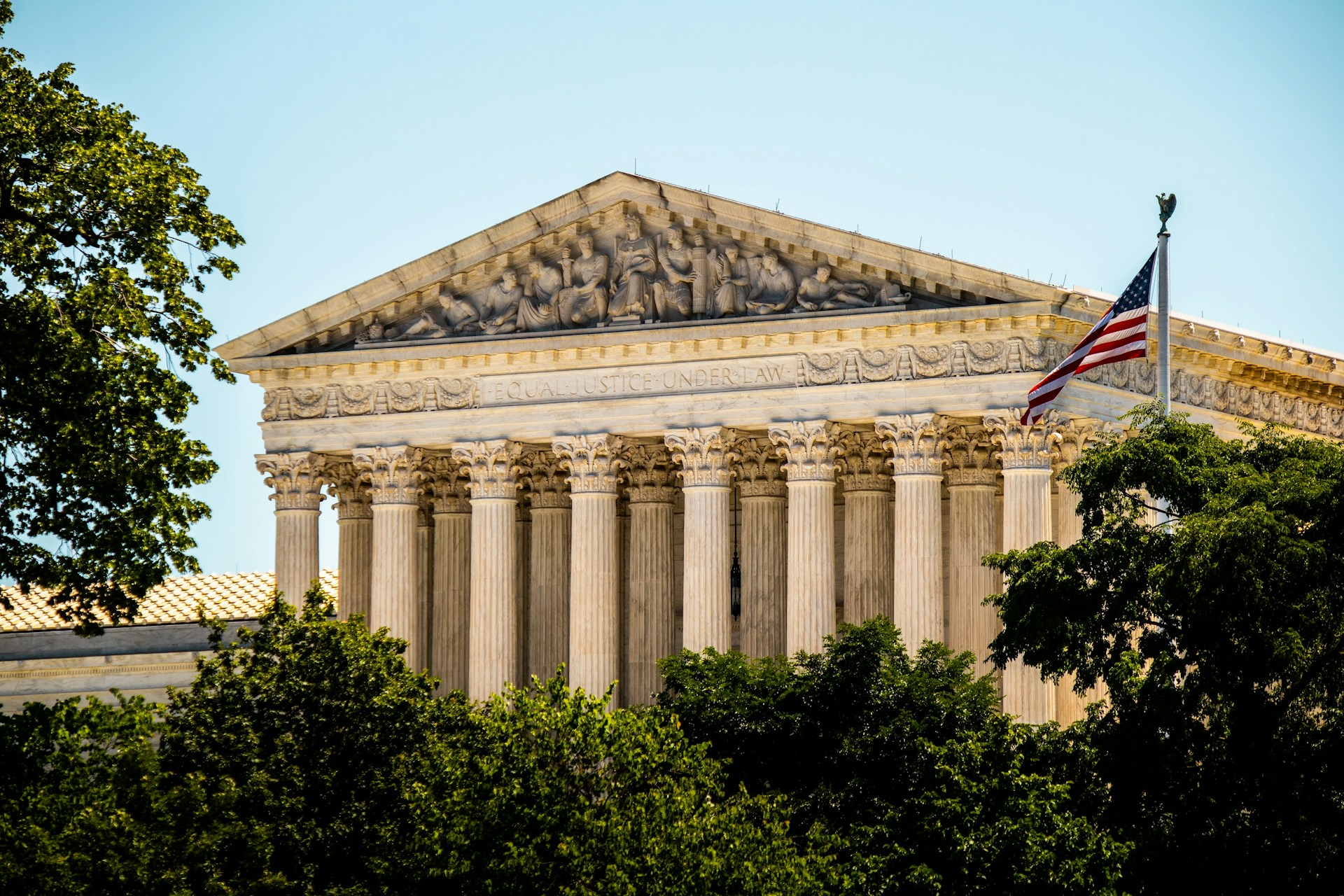
Several members of the U.S. Supreme Court were noticeably absent from President Donald Trump’s 2026 State of the Union address — a development that came just days after the high court ruled against his sweeping global tariff policy.
The timing sparked immediate discussion across Washington and among political observers nationwide.
Chief Justice John Roberts was present at the speech, joined by Justices Brett Kavanaugh, Elena Kagan, and Amy Coney Barrett. However, Justices Samuel Alito, Clarence Thomas, Sonia Sotomayor, Neil Gorsuch and Ketanji Brown Jackson did not attend the event.
While Supreme Court justices are not required to attend the State of the Union, the absence of a majority of the Court — especially following a major ruling involving President Trump — did not go unnoticed.
Supreme Court Blocks Trump Tariff Policy
Just days before the address, the Supreme Court issued a 6–3 decision concluding that President Trump’s global tariff initiative exceeded executive authority under the International Emergency Economic Powers Act.
The ruling represented a significant moment in the ongoing debate over presidential power, trade authority, and America’s economic strategy.
President Trump’s tariff plan was designed to restructure trade relationships and protect American industry. Supporters argue the policy aimed to strengthen domestic manufacturing and reduce reliance on foreign production. Critics questioned whether the executive branch had the authority to implement such sweeping tariffs without congressional approval.
The Court sided with the latter view in this instance.
Trump Responds Forcefully
President Trump responded sharply to the decision, expressing disappointment with certain members of the Court.
He said he was “ashamed of certain members” and criticized what he described as a lack of courage to defend policies he believes are vital to America’s economic strength.
Notably, his remarks extended to members of the conservative wing of the Court, including two justices he appointed during his first term.
The comments underscored a growing tension between the executive branch and the judiciary over the limits of presidential authority — an issue that has defined multiple administrations in modern history.
Why Justices Often Skip the State of the Union
Although some commentators speculated about political motives, it is important to remember that Supreme Court attendance at the State of the Union has always been voluntary.
The Constitution does not require justices to attend.
Historically, several justices from both conservative and liberal backgrounds have chosen to stay away from the annual address.
Justice Samuel Alito has not attended since 2010, when he visibly reacted during President Barack Obama’s criticism of the Court’s Citizens United ruling. Months later, Alito suggested the increasingly partisan environment made attendance uncomfortable.
Justice Clarence Thomas has similarly avoided attending in recent years, once describing the atmosphere inside the chamber as awkward for members of a coequal branch of government.
Even Chief Justice John Roberts has previously expressed concern about the political tone of the event, though he has continued attending regularly since 2005.
A Broader Debate Over Executive Power
For many Americans — particularly voters over 50 who closely follow constitutional issues — the episode reflects a broader national conversation:
- How far does presidential authority extend?
- Who controls trade policy?
- Where should courts draw the line?
The balance of power between the White House, Congress, and the Supreme Court remains one of the defining issues of our time.
As President Trump continues advancing his economic and trade agenda, further legal challenges are expected. The interaction between the executive branch and the Supreme Court will likely remain front and center in Washington.
The Bottom Line
The absence of several Supreme Court justices at the 2026 State of the Union may not break tradition — but given the timing, it certainly amplified attention around the Court’s recent tariff ruling and President Trump’s response.
With constitutional authority, economic policy, and America’s global standing at stake, the story is far from over.