Here’s what happened.
President Donald Trump is stepping in at a critical moment, issuing a direct warning to Israeli Prime Minister Benjamin Netanyahu as tensions with Iran threaten to send oil prices—and American gas prices—soaring.
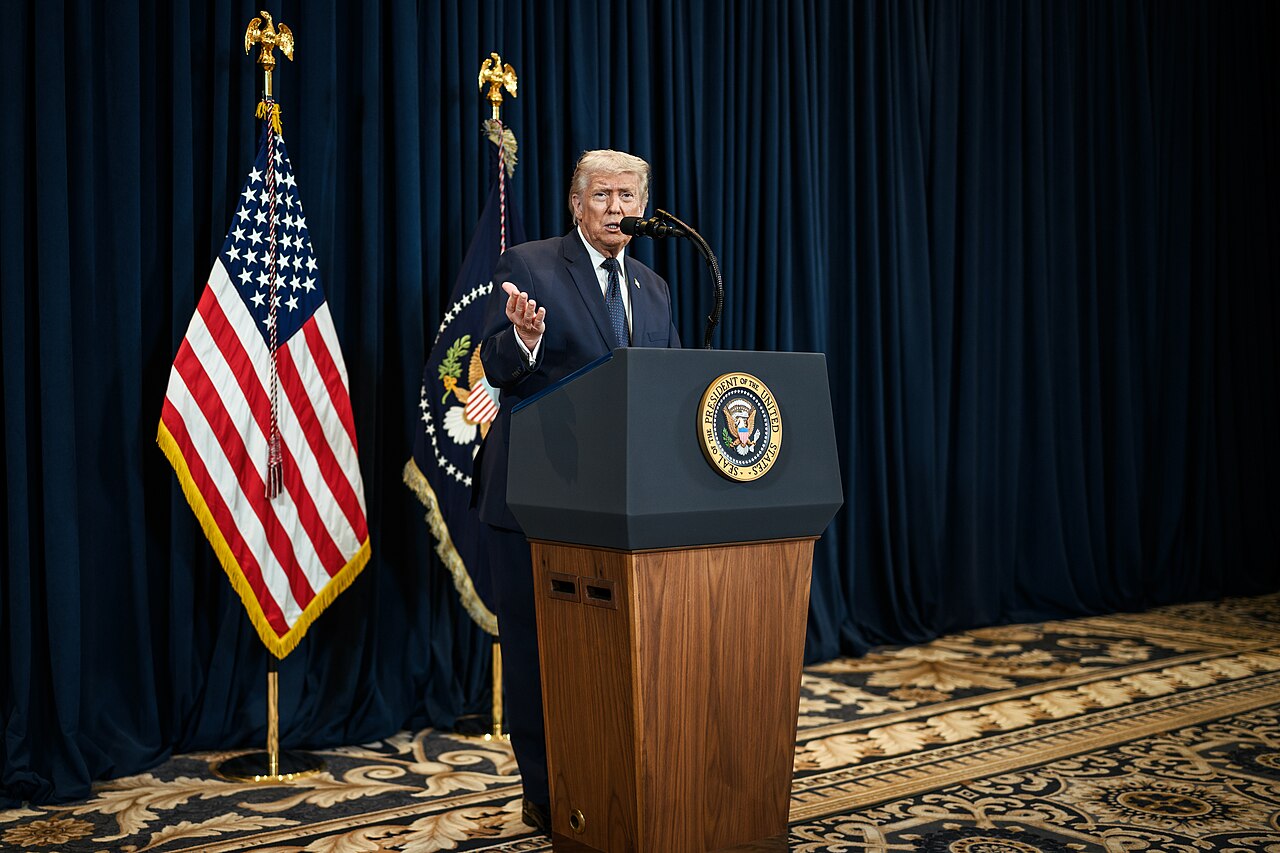
During remarks from the Oval Office, Trump revealed he personally told Netanyahu to avoid escalating attacks on Iran’s energy infrastructure.
“I told him, ‘Don’t do that.’ And he won’t do that,” Trump said confidently.
Oil Prices Surge As Middle East Conflict Escalates
The warning comes after Israel reportedly struck Iran’s South Pars natural gas field—one of the largest energy hubs in the world. The strike triggered immediate retaliation from Iran, targeting key energy facilities across the region.
The impact was felt almost instantly:
- Brent crude oil spiked above $119 per barrel
- U.S. gas prices climbed toward $3.88 per gallon
- Global markets showed signs of instability
For millions of Americans—especially retirees and those on fixed incomes—rising fuel costs are more than headlines. They directly affect everyday life, from groceries to travel.
Trump Steps In To Prevent Economic Fallout
President Trump made it clear he is not only focused on national security—but also on protecting American consumers from economic shock.
“Sometimes he’ll do something, and if I don’t like it… we’re not doing that anymore,” Trump said, signaling firm leadership over U.S. allies.
Shortly after, Netanyahu confirmed he would honor Trump’s request.
“President Trump asked us to hold off on future attacks, and we’re holding off,” Netanyahu said.
This moment highlights Trump’s continued influence on the global stage—and his ability to de-escalate situations that could quickly spiral.
Israel Continues Pressure On Iran
Even with the pause on energy targets, Israel is continuing its broader military campaign against Iran.
Netanyahu pointed to instability inside Iran’s leadership, suggesting internal divisions may be weakening the regime.
“There’s a lot of tension,” he said, describing uncertainty over who is truly in control.
Israeli officials emphasized their focus remains on:
- Destroying military infrastructure
- Weakening Iran’s strategic capabilities
- Preventing long-term threats
Notably, they clarified that regime change is not the official goal.
U.S. And Israel Have Different Strategies
Director of National Intelligence Tulsi Gabbard confirmed that while the U.S. and Israel are aligned, their objectives differ.
According to Gabbard:
- Israel is targeting Iran’s leadership structure
- Trump’s strategy focuses on military capabilities, including missiles and naval threats
This more limited approach reflects a broader effort to avoid a full-scale war while still neutralizing danger.
What This Means For Your Wallet
The biggest concern for many Americans right now isn’t just foreign policy—it’s cost of living.
With the Strait of Hormuz under threat and global supply chains disrupted, energy experts warn prices could continue rising.
President Trump addressed those concerns directly:
“We will do whatever is necessary to keep the price down.”
Treasury officials are now considering:
- Releasing oil from the Strategic Petroleum Reserve
- Adjusting restrictions on global oil supply
- Stabilizing markets before prices spike further
No U.S. Ground Troops, Trump Confirms
Despite rising tensions, Trump made one thing clear: the U.S. will not be dragged into another long-term ground war.
“I’m not putting troops on the ground,” he stated.
That message is likely to resonate with Americans who remember the cost—both financial and human—of past conflicts.
Netanyahu Warns Of Bigger Threat Ahead
While agreeing to pause certain actions, Netanyahu defended Israel’s broader mission.
“If you think oil markets are in trouble now, imagine Iran with nuclear weapons,” he warned.
His message: short-term instability may be the price of preventing a far greater long-term threat.
Global Leaders Call For Restraint
Meanwhile, leaders from Europe and allied nations—including the United Kingdom, France, Germany, Italy, and Japan—are urging both sides to avoid further escalation.
Their primary concern: attacks on oil and gas infrastructure could trigger a worldwide economic crisis.
Bottom Line: Why This Matters To You
This isn’t just another overseas conflict.
It directly impacts:
- Gas prices
- Food costs
- Retirement budgets
- Everyday living expenses
President Trump’s intervention may help prevent a worst-case scenario—but the situation remains volatile.
If tensions continue, Americans could feel the effects at the pump and beyond.