Here’s what happened.
President Donald Trump secured a major victory in Washington, D.C., Thursday night when a powerful federal commission approved his plans for a massive new monument honoring America’s military history. But the celebration did not last long.
Just hours after the administration received the green light, a federal judge intervened and temporarily blocked construction, delivering an unexpected setback to one of Trump’s most ambitious projects in the nation’s capital.
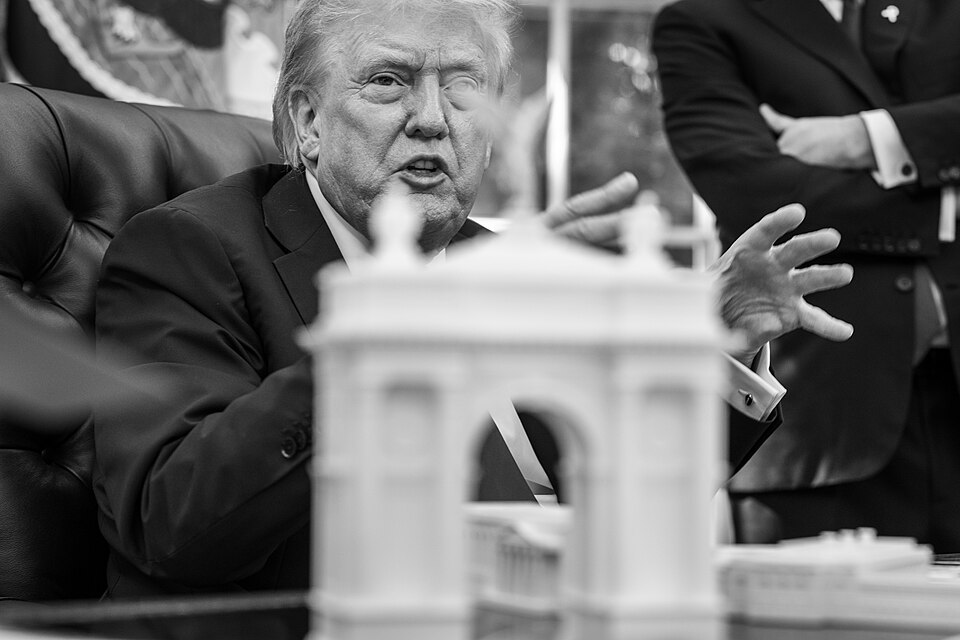
The controversy centers on a proposed 250-foot triumphal arch near Arlington National Cemetery, a structure the administration believes would serve as a lasting tribute to American patriotism, military service, and national pride.
The rapid reversal has now triggered another legal confrontation over presidential authority, federal regulations, and the future of Washington’s historic landscape.
Trump Secures Major Victory With Federal Approval
On November 5, the National Capital Planning Commission voted 8-4 to approve President Trump’s proposed monument, clearing a significant obstacle in the administration’s efforts to begin construction.
The enormous structure would stand at Memorial Circle, near Arlington Memorial Bridge, connecting the area surrounding Arlington National Cemetery with the Lincoln Memorial across the Potomac River.
At 250 feet tall, the proposed arch would exceed the height of the famous Arc de Triomphe in Paris, making it one of the most imposing monuments in Washington.
Trump has promoted the project as part of his broader effort to restore grandeur to the nation’s capital and celebrate the achievements of the United States.
The administration has also connected the monument to America’s 250th anniversary of independence, a historic milestone being celebrated throughout 2026.
Supporters believe the arch would become a powerful symbol of American strength and provide future generations with another landmark honoring the country’s history.
Commission Chairman Mark Paoletta, a Trump appointee, supported the proposal, arguing that the structure would contribute to Washington’s national identity.
With the commission’s approval secured, the administration appeared positioned to move forward.
However, a federal judge quickly changed those plans.
Obama-Appointed Judge Blocks Trump’s Monument
U.S. District Judge Tanya Chutkan, who was appointed to the federal bench by former President Barack Obama, issued a temporary restraining order preventing construction from beginning for 14 days.
The decision came shortly after the commission approved the project, creating an immediate legal obstacle for the Trump administration.
The ruling followed a lawsuit brought by the governments of Virginia and Washington, D.C., which challenged the administration’s authority to move forward with construction.
State and local officials argued that the project could disrupt traffic, interfere with emergency response operations, and create substantial complications for surrounding transportation infrastructure.
Chutkan agreed that the plaintiffs had demonstrated grounds for temporarily blocking construction while their legal claims receive further consideration.
The order prevents the administration from conducting construction-related activities, including excavation, demolition, utility installation, and roadway closures connected to the arch.
The ruling does not permanently cancel the monument or erase the commission’s approval.
Nevertheless, it prevents Trump from immediately moving forward with construction following a significant regulatory victory.
Why The Judge Opposed Immediate Construction
The court’s decision focused on concerns involving federal authorization, potential harm to nearby communities, and legal requirements governing national monuments.
One of the central disagreements involves whether the Trump administration can rely on legislation dating back to 1925 to authorize the project.
Administration officials contend that existing federal law provides the necessary authority to construct the monument.
However, Chutkan questioned whether that century-old legislation could reasonably authorize a structure of this size and scope.
The judge also examined the potential consequences of beginning construction before the courts resolve the underlying legal challenges.
Because the project would involve substantial excavation and changes to a heavily traveled area, the court determined that allowing work to begin could create immediate problems that would be difficult to reverse.
The decision represents a temporary legal setback rather than a final determination about whether the monument can eventually be built.
That distinction could prove important as the administration continues defending its proposal.
Trump’s Patriotic Vision Faces Growing Opposition
Trump’s planned triumphal arch has attracted attention because of both its size and its location near some of America’s most recognizable landmarks.
Arlington National Cemetery remains one of the country’s most sacred military burial grounds, while the nearby Lincoln Memorial honors the president who led the nation through the Civil War.
Supporters of Trump’s project argue that placing a patriotic monument near these historic sites would further recognize America’s military heritage and national accomplishments.
They believe Washington should continue developing impressive landmarks that commemorate the country’s achievements.
Opponents, however, have raised concerns about the proposed structure’s impact on historic views and the surrounding landscape.
During the planning commission’s public hearing, more than 100 individuals spoke against the project, including veterans concerned about changes to the area surrounding Arlington National Cemetery.
Some critics argue that the monument could interfere with the solemn atmosphere of nearby memorial grounds.
Others contend that Congress should explicitly authorize such a large federal construction project before work begins.
These disagreements have made the proposed arch a subject of growing political and legal controversy.
White House Defends Monument Honoring America’s Military
The Trump administration has continued defending the proposal as a tribute to American military service and national identity.
The White House has presented the project as the Military Triumphal Arch, emphasizing its connection to the nation’s armed forces and history.
Plans for the massive structure include elaborate architectural features, decorative figures, and an eternal flame.
Trump has also described the monument as serving potential security purposes, although those claims have faced scrutiny during the legal proceedings.
Beyond the monument itself, the president has pursued other projects intended to improve the appearance of Washington, D.C.
His administration has emphasized beautification, historic preservation, and major improvements to prominent federal properties.
The proposed arch would represent one of the most visible and lasting elements of that broader effort.
For supporters, the project reflects a desire to celebrate American accomplishments through traditional monumental architecture.
For opponents, the dispute raises important questions about government authority, public spending, and how historic federal property should be managed.
What Happens Next In Trump’s Legal Battle?
The immediate future of the monument now rests with the federal courts.
Under Chutkan’s temporary restraining order, the Trump administration cannot begin construction during the 14-day period unless the court modifies its decision.
The administration must also demonstrate compliance with the order while the legal proceedings continue.
Virginia and Washington, D.C., are expected to continue challenging the project’s authorization and potential effects on nearby communities.
Additional legal arguments could determine whether construction can eventually proceed or whether the administration must obtain further federal approvals.
Despite the temporary setback, the National Capital Planning Commission’s 8-4 approval remains an important development for the president.
The administration has indicated that it expects to prevail in the ongoing litigation.
The next stage of the dispute will determine whether that confidence is justified.
Another Major Court Showdown For President Trump
The latest controversy illustrates the challenges facing presidential initiatives that involve major changes to Washington’s historic landmarks.
Trump’s administration secured approval from an influential federal planning commission, moving its proposed monument closer to construction.
Yet within hours, a federal judge prevented the administration from acting on that approval.
The contrast between the commission’s decision and the court’s intervention has turned the project into another high-profile legal dispute.
For Americans who support traditional monuments honoring the country’s history, the outcome could help shape how future national landmarks are developed.
For those concerned about federal oversight and historic preservation, the case raises questions about the limits of executive authority.
Ultimately, the courts must determine whether the administration has followed the legal requirements necessary to move forward.
For now, Trump’s proposed 250-foot triumphal arch remains on hold despite receiving a major federal approval.
The president may have won an important battle for his proposed monument, but the larger legal fight over its future is far from over.