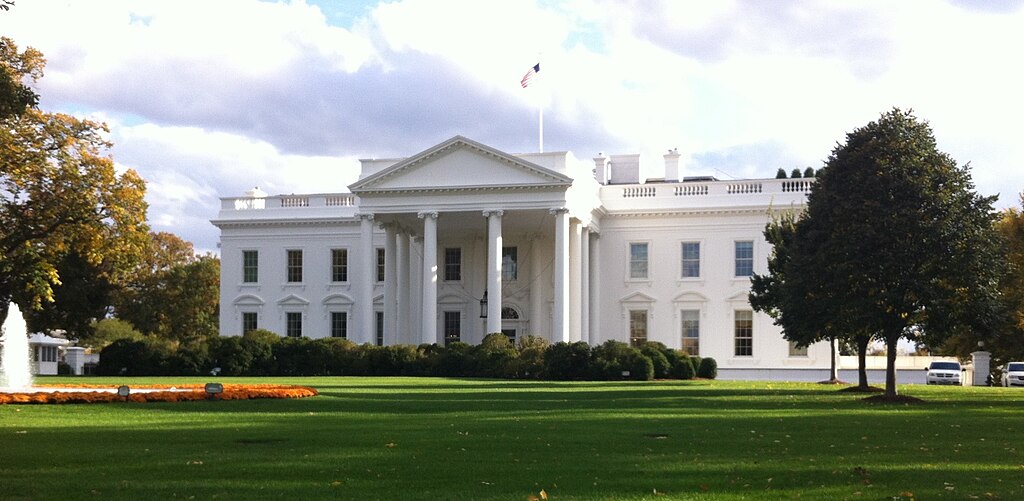
Trump and his White House have issued a serious warning.
The Trump administration is warning that halting construction on a new White House ballroom could pose serious national security concerns, according to a court filing submitted Monday.
In the filing, government attorneys cite a declaration from the U.S. Secret Service stating that stopping the project mid-construction would leave critical areas unable to meet required safety and security standards needed to protect President Donald Trump.
Officials argue the project has already passed a point where pausing work would actually increase security risks rather than prevent them.
Secret Service Raises Security Concerns
According to the declaration, the White House East Wing was demolished in October and is now undergoing essential below-ground construction. Leaving the site unfinished, even temporarily, would compromise protective infrastructure designed to safeguard the president and the White House complex.
The filing states that any construction delay would prevent contractors from completing required security measures and would interfere with the Secret Service’s ability to fulfill its legally mandated protective mission.
Administration officials emphasized that the work underway is not cosmetic but tied directly to safety requirements.
Lawsuit Seeks to Halt Project
The government’s response follows a lawsuit filed last week in U.S. District Court in Washington, D.C., by the National Trust for Historic Preservation. The nonprofit argues that construction should be paused until additional oversight reviews and public comment procedures are completed.
The lawsuit names several federal agencies and officials involved in managing the White House grounds, including the National Park Service and the Department of the Interior.
The group claims the ballroom project could permanently alter the historic character of the White House campus if allowed to proceed without further review.
National Trust President and CEO Carol Quillen said the organization believes the project should be reviewed by the National Capital Planning Commission and other federal bodies, with greater public involvement.
White House Says Lawsuit Is Premature
The Trump administration counters that the lawsuit is premature and unnecessary. Officials say required regulatory reviews are already scheduled and will take place in the coming weeks.
According to the filing, draft architectural plans and materials are expected to be submitted soon to both the National Capital Planning Commission and the U.S. Commission of Fine Arts.
The administration also notes that above-ground construction is not scheduled to begin until April 2026, arguing there is no immediate justification for halting current work.
Cost and Funding Questions
President Trump announced plans for the ballroom in July, describing it as a long-needed space for major official events that currently require temporary structures.
The proposed ballroom would span roughly 90,000 square feet. Early estimates placed the cost at around $200 million, though newer projections suggest the price could reach $300 million.
Trump has repeatedly stated the project will be privately funded, saying it will be paid for “100% by me and some friends of mine,” limiting any cost to taxpayers.
Critics Warn of Major Design Changes
Opponents of the project argue that the size of the ballroom would overwhelm the existing Executive Residence and disrupt the traditional architectural balance of the White House.
The lawsuit cites an October statement from the Society of Architectural Historians, which warned the ballroom could represent the most significant exterior change to the White House in more than 80 years.
Supporters of the project, however, say the White House must evolve to meet modern security and operational needs—and that stopping construction now could leave vulnerabilities in place.
As the legal challenge moves forward, the dispute underscores a broader debate over preservation, presidential authority, and security priorities at the nation’s most protected building.