The United States is once again escalating pressure on Venezuela, raising fresh questions about whether the situation could spiral into a wider international confrontation.
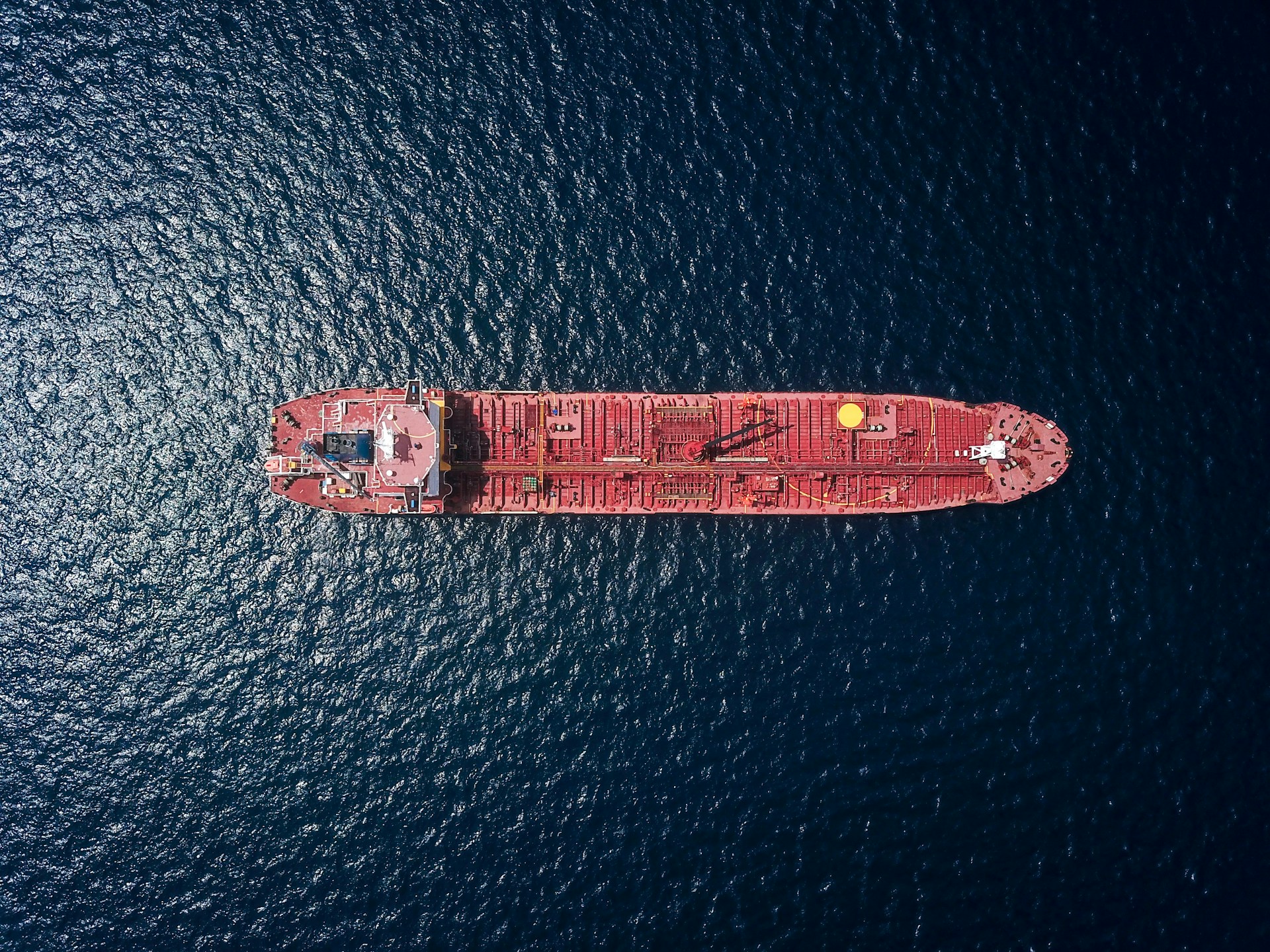
According to reports from Reuters and the Associated Press, U.S. authorities are actively pursuing another oil tanker near Venezuela in international waters. Officials speaking anonymously say the vessel is suspected of helping Caracas evade American sanctions.
When contacted, the Pentagon referred questions to the White House, which has not yet issued a formal public response. However, the developments come amid a major show of force ordered by Donald Trump, signaling that the administration is not backing down.
A Major Military Build-Up in the Caribbean
President Trump has approved a significant expansion of U.S. military forces in the Caribbean and nearby South American waters, including an aircraft carrier, combat aircraft, and tens of thousands of troops.
The White House says the mission is focused on enforcing sanctions and cracking down on narcotics trafficking. Critics, however, warn that such a massive buildup could increase the risk of direct confrontation.
Supporters argue the move is long overdue, pointing to years of unchecked drug flows, organized crime, and illegal oil sales that they say have fueled instability throughout the region.
Coast Guard Seizures and “Dark Fleet” Allegations
On Saturday, Homeland Security Secretary Kristi Noem said the U.S. Coast Guard had seized an oil tanker that had recently made port in Venezuela.
U.S. officials describe these vessels as part of a so-called “dark fleet,” accused of moving sanctioned oil using false registrations and deceptive shipping practices.
A senior official told Reuters that the tanker currently being pursued is allegedly operating under a false flag and is subject to a judicial seizure order. While some reports claimed the ship had already been boarded, others clarified that the vessel remains under active pursuit.
Conflicting maritime tracking data has only added to the uncertainty—underscoring how tense and fluid the situation has become.
Trump’s Oil Blockade and Sanctions Push
The latest incident comes less than a week after President Trump ordered a sweeping blockade of Venezuelan oil tankers.
The administration argues that oil revenues are being used to bankroll drug trafficking, violent crime, and terrorist-linked operations across the Western Hemisphere.
White House economic officials have stated that multiple tankers intercepted earlier this month were allegedly operating on the black market and supplying oil to other sanctioned countries.
Secretary Noem issued a stark warning, saying the U.S. will continue to pursue illegal oil shipments tied to what she described as narco-terrorism. “We will find you, and we will stop you,” she said.
Venezuela Pushes Back
Venezuela’s socialist government has strongly condemned the seizures, calling them acts of “international piracy.” Officials in Caracas accuse Washington of trying to seize control of the nation’s natural resources.
President Nicolás Maduro has claimed the Trump administration is attempting to force him from power by choking off oil exports.
Despite holding the world’s largest proven oil reserves, Venezuela’s exports have reportedly dropped sharply following Trump’s announcement—suggesting the pressure campaign is having real economic impact.
Debate Inside the United States
Not everyone in Washington agrees on the strategy.
Kentucky Congressman Thomas Massie questioned the administration’s focus, suggesting the operation is more about oil and regime change than drugs.
Meanwhile, Defense Secretary Pete Hegseth made clear that enforcement will continue. In a public statement, he said the blockade will remain in effect until Venezuela returns what the administration describes as stolen American assets.
He added that U.S. forces, working alongside the Coast Guard, will continue maritime interdiction operations under a new initiative known as Operation Southern Spear.
Growing Fears of Escalation
As U.S. ships track tankers and Venezuela pushes back rhetorically, some analysts warn that even a small miscalculation could escalate into a broader conflict.
Supporters of President Trump argue the tougher stance is necessary to defend American interests, stop drug trafficking, and prevent hostile regimes from exploiting U.S. weakness.
Critics, however, worry that the confrontation at sea could push both sides closer to open conflict.
For now, tensions in the Caribbean remain high—and Americans are left asking whether this aggressive enforcement strategy will restore order or risk something far more dangerous.