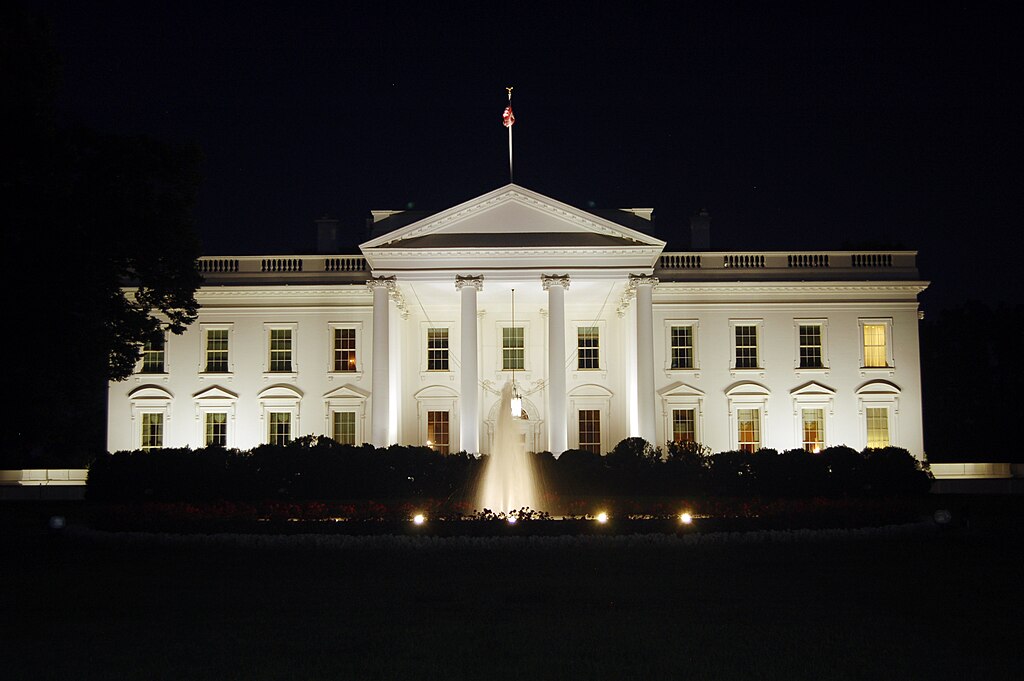
Here’s what Trump’s has decided to do.
In a dramatic turn of events, President Donald Trump’s White House has announced the firing of a federal prosecutor in upstate New York — just hours after federal judges attempted to install him in the role.
The move is the latest flashpoint in an escalating constitutional battle between the Trump administration and elements of the federal judiciary over who controls the appointment of U.S. Attorneys.
For many Americans concerned about separation of powers, this case raises a fundamental question:
Who has the authority to appoint federal prosecutors — the President or the courts?
White House Asserts Presidential Authority Under Article II
Longtime prosecutor Donald Kinsella took the oath of office Wednesday as U.S. Attorney for the Northern District of New York during a private ceremony conducted by the federal district court.
But by Wednesday evening, the White House reversed course.
Deputy Attorney General Todd Blanche announced on X that Kinsella had been removed, citing Article II of the U.S. Constitution — the section that grants executive authority to the President of the United States.
“Judges don’t pick U.S. Attorneys — the President does,” Blanche wrote, reinforcing the administration’s position that federal prosecutorial power rests squarely within the executive branch.
For constitutional conservatives and longtime defenders of executive authority, this is not just a staffing issue — it’s a matter of preserving the structure designed by the Founders.
The Broader Battle Over U.S. Attorney Appointments
Kinsella had been chosen to replace John Sarcone III, whose tenure was ruled “unlawful” by a judge after procedural disputes surrounding his appointment.
That ruling triggered a chain reaction — one that has now played out in several states across the country.
In New Jersey, former U.S. Attorney Alina Habba, who previously represented President Trump, saw her temporary appointment expire when federal judges declined to extend it. The court instead used a rarely exercised power to appoint her deputy.
Attorney General Pam Bondi responded by reassigning authority and redesignating Habba as acting U.S. attorney — preserving executive control over the office.
Habba later stepped down following a federal appeals court ruling, though the matter remains legally contested.
Similar Legal Disputes Across Multiple States
This pattern has not been isolated.
Similar appointment disputes have unfolded in:
- Nevada
- California
- New Mexico
In each case, interim prosecutors were redesignated as acting U.S. attorneys after judges declined to continue their leadership without Senate confirmation.
Meanwhile, in Virginia, legal challenges surrounding the removal of then–U.S. Attorney Lindsey Halligan led to the dismissal of prosecutions involving former FBI Director James Comey and New York Attorney General Letitia James, two of President Trump’s most prominent critics.
Those dismissals remain under appeal.
For supporters of the administration, these actions reflect a firm defense of presidential authority. Critics argue that the process stretches traditional norms surrounding confirmation and oversight.
Who Is Donald Kinsella?
Kinsella is not a newcomer to federal law enforcement.
He brings more than 50 years of legal experience, including:
- Service as an assistant U.S. attorney during the 1990s
- Promotion to criminal chief of the Northern District of New York
- Decades of experience in both criminal and civil litigation
He retired from federal service in 2002 but remained active in legal practice.
His brief appointment — and swift removal — now places him at the center of a constitutional debate with national implications.
Why This Matters for the Future of Federal Prosecutions
At stake is more than one district office.
This confrontation could influence:
- How U.S. Attorneys are appointed moving forward
- The balance of power between the executive branch and judiciary
- The role of Senate confirmation in interim appointments
- The interpretation of Article II authority
As legal challenges continue to move through the courts, Americans are watching closely.
For many voters — particularly those who prioritize constitutional originalism and executive authority — this case represents another chapter in a broader institutional struggle in Washington.
Final Thoughts
The removal of Donald Kinsella signals that the Trump White House is prepared to firmly defend what it views as presidential authority over federal prosecutors.
Whether the courts ultimately agree remains to be seen.
But one thing is clear:
The debate over who controls federal law enforcement appointments is far from over — and its outcome could shape the balance of power in Washington for years to come.