Here’s what’s going on.
American troops are facing alarming living conditions at military bases across the country, raising serious concerns about the treatment of service members and the federal government’s management of military facilities.
Some soldiers have reportedly gone as long as a year without hot water. Others have resorted to sleeping in their vehicles because their barracks lack functioning air conditioning.
Reports of mold, water damage, broken equipment, and deteriorating buildings have added to growing concerns about the condition of military housing.
Now, President Donald Trump’s administration is confronting the problem, with Defense Secretary Pete Hegseth assigning a decorated war hero to help bring about long-overdue improvements.
The situation has also renewed questions about government spending, Pentagon accountability, and whether America’s military personnel are receiving the basic support they deserve.
War Hero Exposes Troubling Conditions At Military Bases
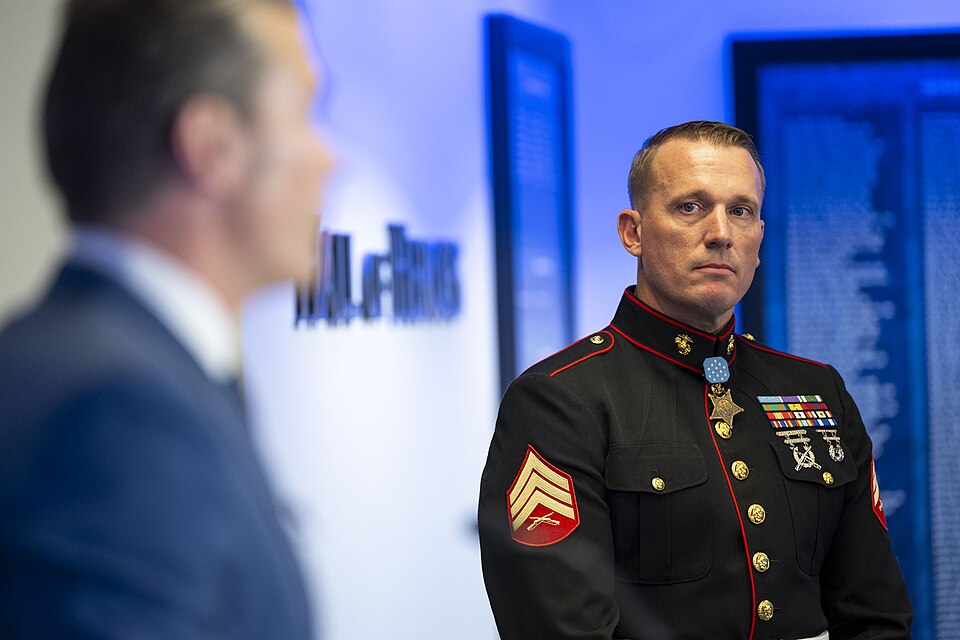
Medal of Honor recipient Dakota Meyer has been given an important assignment: help address the unacceptable conditions facing American service members living in military barracks.
Meyer, a Marine Corps veteran who serves as a senior adviser to the Pentagon’s Barracks Task Force, has been visiting military installations to examine conditions firsthand.
According to Fox News Digital, he has already visited more than eight installations across the Army, Navy, Air Force, and Marine Corps.
His findings have been deeply troubling.
At several locations, military personnel have reportedly encountered problems involving mold, damaged walls, unreliable plumbing, and inadequate temperature control.
In some instances, service members have been willing to make repairs themselves if military officials could simply provide basic supplies.
One particularly disturbing encounter involved a 19-year-old service member who was asked what she would change about her living arrangements.
Her request was remarkably simple.
She wanted a hot shower.
For many Americans, the idea that someone serving in the United States military could struggle to obtain such a basic necessity raises serious concerns about the priorities of military leadership.
Hegseth Demands Results From Pentagon Leadership
Hegseth has made improving military barracks a priority, directing Meyer to identify problems and help deliver meaningful solutions.
The effort is intended to move beyond inspections, studies, and promises that fail to produce lasting improvements.
Meyer has emphasized that military personnel deserve action rather than additional government bureaucracy.
His role includes traveling to installations, speaking directly with troops, and identifying obstacles that prevent repairs from being completed.
He also wants the task force to have sufficient authority to make decisions and direct resources where they are needed.
That approach could prove important because military maintenance projects can become delayed by complicated contracting procedures and administrative requirements.
Meyer plans to visit 30 military installations before the end of 2026.
The broader objective is to ensure that military personnel can focus on their responsibilities without worrying about whether their living quarters are safe and functional.
Pentagon Housing Problems Have Continued For Years
The military housing controversy is not a new development.
For years, federal investigators have warned about deteriorating barracks, inadequate oversight, and failures to properly maintain military facilities.
A 2023 Government Accountability Office investigation identified serious health and safety concerns involving military housing.
Investigators also determined that the Defense Department lacked reliable information about the condition of many barracks.
That finding raised significant questions about how effectively taxpayer dollars were being monitored and whether military leaders understood the full extent of the problem.
Despite substantial federal spending and repeated promises of improvements, serious deficiencies have continued.
As of 2026, 12 of the GAO’s 31 recommendations for addressing barracks problems remained unresolved, according to Fox News.
The military has launched several initiatives to improve housing, including the Marine Corps’ Barracks 2030 program and efforts to upgrade Navy housing facilities.
However, the persistence of these problems suggests that previous reforms have not gone far enough.
For taxpayers concerned about responsible government spending, the situation underscores the importance of measuring actual results rather than simply announcing new funding commitments.
Billions In Spending Raise Questions About Accountability
One of the most concerning aspects of the military housing situation involves the enormous amount of money already devoted to maintaining federal defense facilities.
A separate government review identified an estimated $285 billion maintenance backlog across the Pentagon’s broader facilities portfolio.
That amount extends beyond military barracks, but it illustrates the scale of the infrastructure problems facing the Defense Department.
Meyer believes the issue involves more than insufficient funding.
Complicated government contracting rules, bureaucratic delays, and years of deferred maintenance have also contributed to the deteriorating conditions.
In some cases, relatively simple repairs can become difficult because personnel lack the necessary authorization or resources.
The uncertainty surrounding federal defense funding presents another obstacle.
Congress has not yet approved full-year defense appropriations for fiscal year 2027, leaving the Pentagon operating under temporary funding legislation through December 11.
Such arrangements can complicate the planning and financing of maintenance projects.
Meyer’s approach places greater emphasis on whether repairs are actually completed and whether service members experience meaningful improvements.
That distinction matters because money allocated to a project does not necessarily mean the underlying problem has been resolved.
Military Readiness And Morale Could Be Affected
The controversy extends beyond uncomfortable living arrangements.
Adequate housing is an important part of maintaining a capable and prepared military force.
Service members often work demanding schedules, participate in intensive training, and prepare for assignments that require considerable physical and mental endurance.
Those responsibilities become more difficult when personnel cannot depend on basic necessities such as safe rooms, working plumbing, and appropriate climate control.
Poor living conditions can also damage morale and create frustration among military families.
Military leaders must consider whether continued housing problems could make it harder to retain experienced personnel or encourage younger Americans to pursue military careers.
Meyer has suggested that many installation commanders genuinely want to improve conditions but lack the resources or authority needed to overcome administrative obstacles.
His assessment indicates that meaningful reform will require cooperation across multiple levels of military leadership.
The challenge is not simply identifying which facilities need repairs.
It is ensuring that the people responsible for making those repairs have the ability to get the job done.
Trump Administration Faces Major Test On Military Housing
President Trump’s administration has emphasized rebuilding military strength, improving readiness, and supporting the men and women serving in uniform.
The conditions uncovered at military installations present an opportunity to demonstrate those priorities through practical improvements.
Military modernization and national security remain important responsibilities, but the everyday needs of service members also deserve attention.
Hegseth’s decision to involve Meyer brings experienced military leadership and increased public attention to a problem that has persisted through multiple administrations.
Meyer has also made clear that he intends to accept personal responsibility for the success of the effort.
Rather than judging progress by government reports or spending figures, he wants military facilities to meet a straightforward standard.
Service members should be able to live in housing that military leaders would consider acceptable for their own families.
That goal may sound simple, but achieving it will require substantial coordination, improved oversight, and a willingness to overcome longstanding Pentagon procedures.
American Service Members Deserve Better
The troubling conditions inside some American military barracks have highlighted a fundamental responsibility of the federal government.
The United States asks its military personnel to defend the country, spend extended periods away from loved ones, and prepare for dangerous assignments.
Providing clean, safe, and functional living accommodations should be among the most basic obligations owed to those who serve.
The latest findings have also raised an important question about accountability in Washington.
If billions of dollars have already been committed to improving military infrastructure, why are some service members still struggling with problems as basic as hot water, mold, and broken air conditioning?
The Pentagon’s new initiative could provide an opportunity to address those concerns while improving military morale and operational readiness.
However, the success of the effort will ultimately be determined by completed repairs, improved facilities, and the experiences of the troops themselves.
For America’s military families and taxpayers, promises alone will not be enough.
The ultimate test will be whether the Trump administration and Pentagon leadership can deliver lasting improvements for the men and women who sacrifice so much to protect the United States.