Are US voters having second thoughts?
A new national poll suggests President Donald Trump is facing growing public skepticism over one of his most ambitious foreign-policy ideas: bringing Greenland under U.S. control for strategic and national-security purposes.
According to a newly released Reuters/Ipsos survey, only about one in five American adults currently approve of U.S. efforts to acquire Greenland. Just 17 percent of respondents said they support the proposal, while a clear majority expressed reservations.
The poll highlights a sharp political divide. Roughly 40 percent of Republicans said they approve of efforts to acquire Greenland, compared with just 2 percent of Democrats—underscoring how dramatically views differ between the parties on national security and global strategy.
Despite partisan differences, Americans largely agree on one key point: military action is off the table. A strong 71 percent of respondents said using U.S. force to seize Greenland would be a bad idea. That view was shared by 60 percent of Republicans and 89 percent of Democrats, suggesting broad opposition to armed conflict over the Arctic territory.
The survey also revealed widespread concern about America’s global relationships. About 66 percent of adults said attempts to acquire Greenland could strain relations with NATO allies and European partners—an issue that resonates strongly with older voters who remember decades of Cold War cooperation.
The online poll surveyed 1,217 U.S. adults between January 12 and 13 and carries a margin of error of plus or minus three percentage points, according to Reuters.
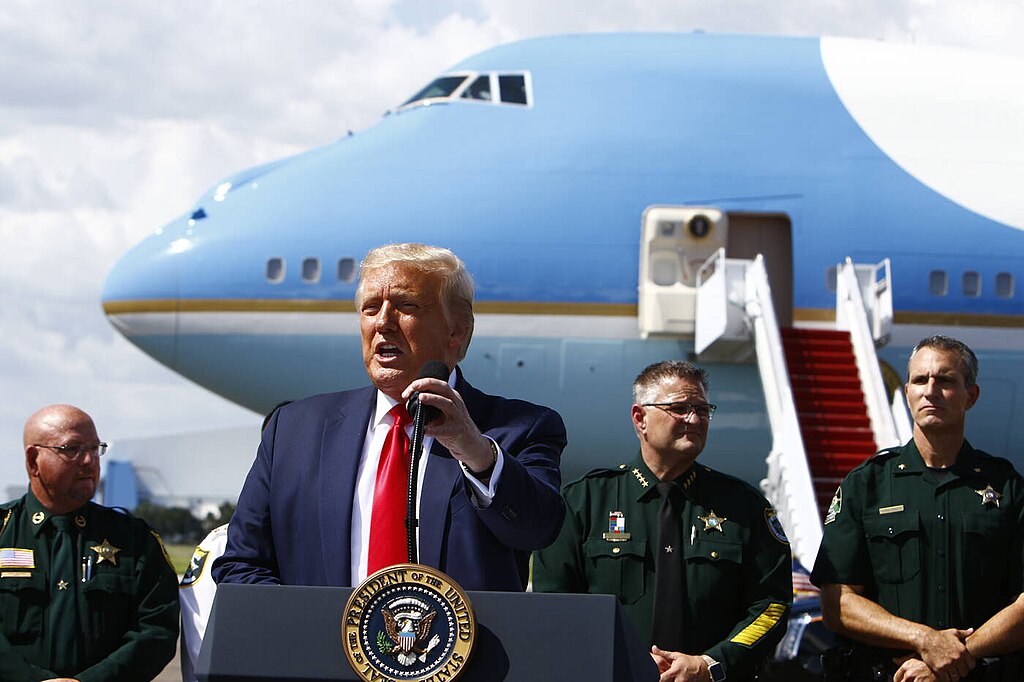
President Trump, however, has remained firm in his position. In a recent post on Truth Social, Trump argued that the United States “needs Greenland for national security,” pointing to its strategic location in the Arctic and its importance to future missile-defense systems.
Trump also said Greenland is vital to what he described as a growing U.S. defensive shield and suggested NATO should support American leadership in securing the territory. He added that the alliance would be “far more formidable” with Greenland aligned with the United States.
Meanwhile, diplomatic discussions are continuing. Danish Foreign Minister Lars Lokke Rasmussen and Greenlandic Foreign Minister Vivian Motzfeldt are scheduled to meet with Secretary of State Marco Rubio and Vice President JD Vance at the White House.
Adding to the challenge, Greenland’s prime minister recently stated that if forced to choose, the territory would remain aligned with Denmark—highlighting the diplomatic and political hurdles facing any future negotiations.
As debate continues, the poll suggests President Trump’s Greenland vision—rooted in security, defense, and Arctic influence—faces resistance both overseas and among American voters at home.