Is Trump actually backing down?
After weeks of rising tension, relations between the United States and its European allies appear to be stabilizing following President Trump’s decision to publicly rule out the use of military force in discussions surrounding Greenland.
Senior officials from the United States, Denmark, and Greenland struck a noticeably calmer tone after a high-level working group met in Washington on Thursday, marking the first formal talks since the dispute escalated earlier this year.
Participants described the meeting as constructive and professional, signaling a reset after what European leaders privately described as a turbulent period for the transatlantic alliance.
Danish Foreign Minister Lars Løkke Rasmussen said discussions were conducted in a “very constructive atmosphere,” emphasizing that while no final agreement has been reached, communication channels are now firmly back open.
“We are back on track after a significant detour,” Rasmussen said, noting that progress would take time but that dialogue had improved substantially.
For weeks, President Trump had warned that the United States would not ignore security risks in the Arctic region, raising concerns in Europe that tensions over Greenland could spill into broader NATO disagreements. Those worries intensified after recent U.S. military actions elsewhere raised questions among allies.
However, the tone shifted dramatically after Trump told the World Economic Forum in Davos that military force was off the table. He also backed away from earlier threats to impose tariffs on nations deploying troops to Greenland during the dispute.
That statement was widely welcomed across NATO, where officials feared prolonged instability could undermine cooperation at a time of growing global uncertainty.
Trump has since said NATO Secretary-General Mark Rutte presented a security framework he supports, though Danish and Greenlandic officials stressed that no agreement has been finalized and that sovereignty remains a firm red line.
Greenlandic leaders, who have faced rising public anxiety at home, expressed cautious optimism after the talks. Prime Minister Jens-Frederik Nielsen said residents were unsettled by earlier rhetoric and emphasized the importance of restoring trust.
“People are afraid when partners speak openly about acquiring territory,” Nielsen said during remarks in Paris. “That is not something we take lightly.”
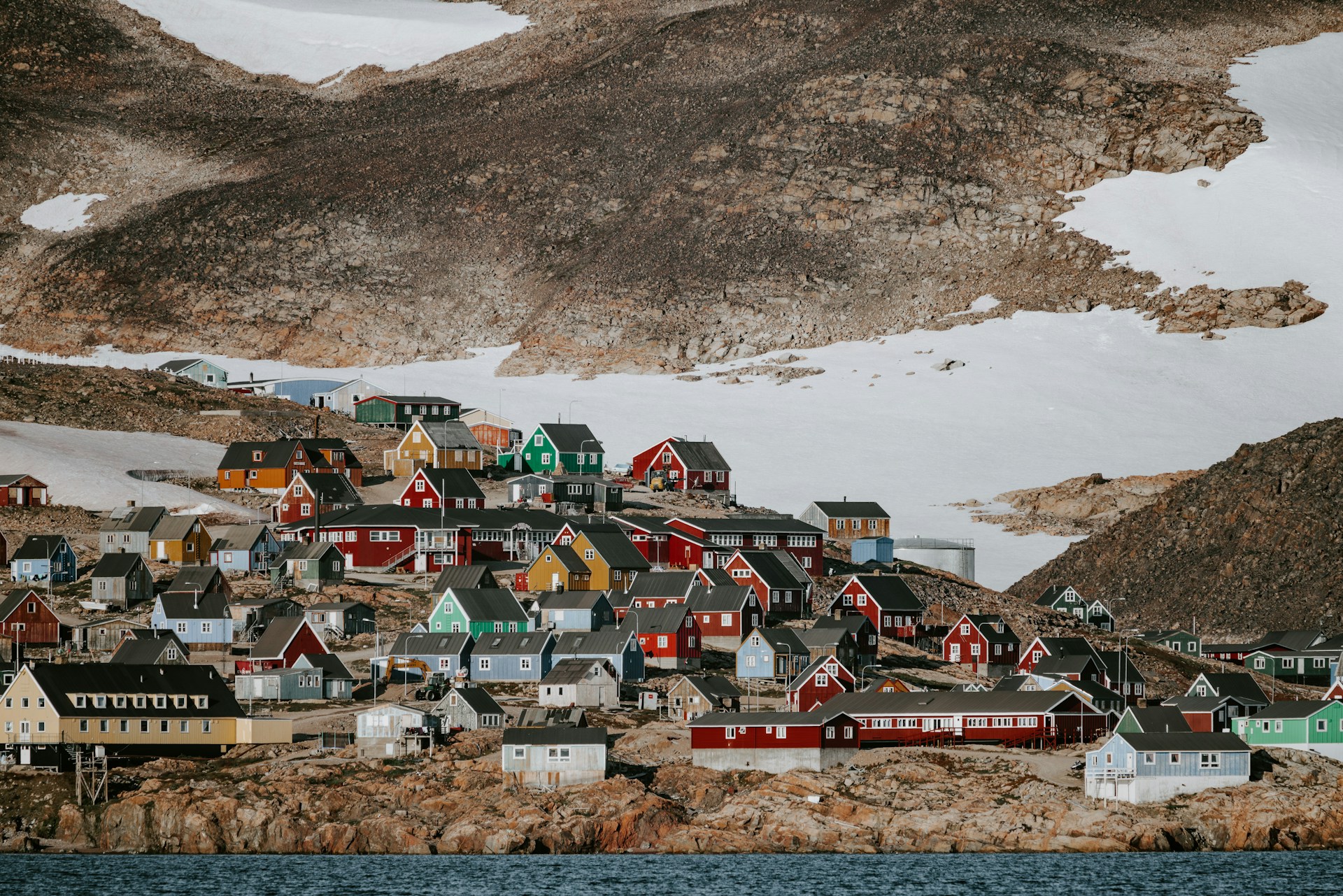
Greenland’s government has repeatedly stated that while it is open to security cooperation and economic partnerships, surrendering sovereignty is not under consideration.
Danish Prime Minister Mette Frederiksen echoed that sentiment, stressing that European unity was essential when responding to pressure from outside powers. She said recent events have underscored the importance of standing firm on democratic values.
The White House has offered few specifics on the negotiations. Secretary of State Marco Rubio told lawmakers this week that President Trump’s decision to reject military action was “important and noteworthy,” adding that future talks would be handled quietly to allow flexibility and progress.
Democrats, meanwhile, have warned that the earlier standoff may have lasting consequences. Some European leaders reportedly discussed reducing trade and investment reliance on the United States, citing uncertainty created by recent tensions.
Others raised concerns about intelligence sharing, though U.S. officials insist alliance cooperation remains strong.
While Greenland governs its internal affairs, Denmark retains responsibility for defense and foreign policy. Any major changes to existing agreements could require congressional approval, adding urgency to reaching a resolution sooner rather than later.
Analysts say the talks could focus on expanded U.S. military access, renewed use of former Arctic bases, or cooperation on critical minerals vital to American supply chains. Whether discussions result in a narrow security agreement or a broader long-term framework remains unclear.
For now, both sides appear focused on lowering tensions and restoring stability. Whether this diplomatic reset holds will depend on how quickly negotiators can translate calmer rhetoric into concrete agreements.