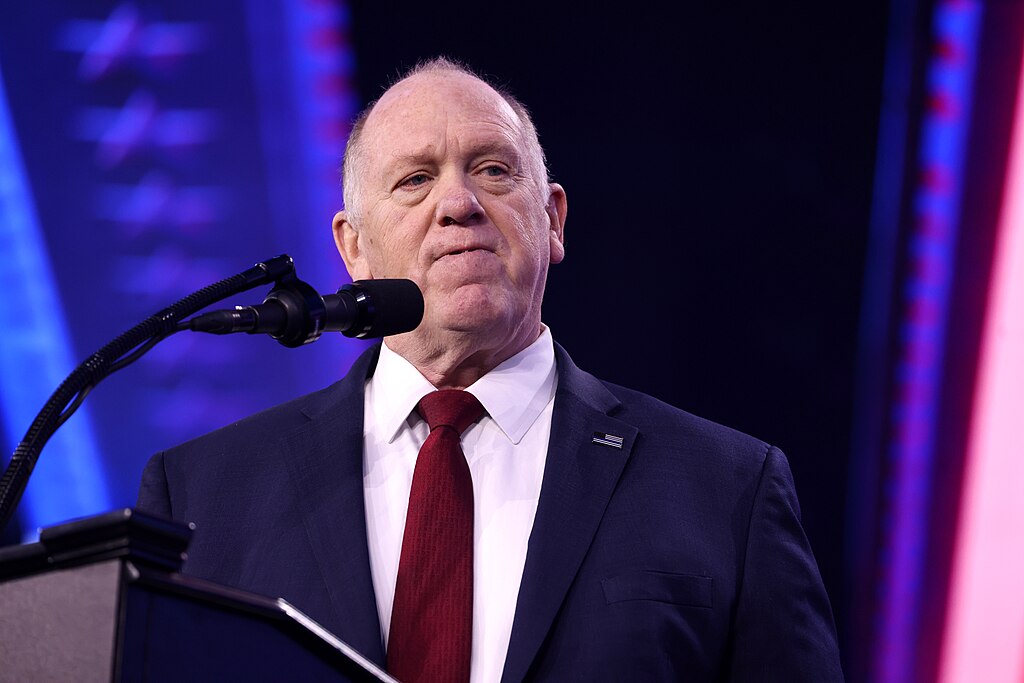
This was shocking to see.
The Department of Homeland Security (DHS) confirmed this week that U.S. Immigration and Customs Enforcement (ICE) will not station officers at polling locations during upcoming elections — a clarification that comes amid growing debate over election integrity, immigration enforcement, and federal authority under President Donald Trump.
The announcement was made during a Wednesday coordination call between federal agencies and state election officials across the country.
DHS: ICE Will Not Target Polling Sites
During the call, Heather Honey, DHS Assistant Secretary for Election Integrity, addressed concerns raised by state officials about possible immigration enforcement operations near voting sites.
According to multiple participants, Honey stated clearly that any claim ICE would be deployed directly to polling stations is “disinformation.”
In a formal statement, DHS emphasized:
- ICE does not conduct operations targeting polling locations
- Enforcement actions are intelligence-driven and focused on public safety threats
- Any arrest occurring near a polling site would be incidental to a targeted enforcement action — not a voter initiative
This distinction appears aimed at calming fears that federal immigration officers could be used to intimidate voters.
Federal Agencies Reaffirm States Control Elections
Michael Adams, a Republican, described the call as routine coordination between federal agencies and state officials.
Adams noted that representatives from:
- The FBI
- The Department of Justice
- DHS
reaffirmed that states maintain primary constitutional authority over election administration.
He also stated that federal agencies reiterated their commitment to assisting states in addressing:
- Domestic security threats
- Cybersecurity risks
- Foreign interference attempts
For many voters — especially Americans over 50 who prioritize constitutional clarity — the reaffirmation of state authority may offer reassurance.
Democrats Push Back
Several Democratic officials criticized aspects of the call.
Shirley Weber asked whether states would receive notification if immigration operations occurred near polling locations.
Adrian Fontes publicly criticized Honey after the meeting, accusing her of promoting skepticism about election systems.
Shenna Bellows said she pressed DHS to publicly reaffirm states’ constitutional control over elections and claimed she did not receive what she considered a definitive answer.
Meanwhile, Mark Warner raised broader concerns earlier this month about whether visible ICE enforcement vehicles could be perceived as intimidating to voters.
Trump’s Election Security Agenda
The controversy unfolds as President Trump continues advocating for stronger federal involvement in election standards. The president has argued that consistent national standards could improve voter confidence and election transparency.
Supporters say uniform safeguards would:
- Strengthen election security
- Improve voter ID compliance
- Reduce administrative inconsistencies between states
Critics argue that expanding federal influence could conflict with the Constitution’s delegation of election authority to the states.
At the same time, the administration continues to face political pressure from Democrats regarding ICE’s broader enforcement strategies under Trump’s renewed deportation policies.
What This Means for Voters
As of now:
- ICE will not be stationed at polling sites.
- DHS says enforcement remains focused strictly on public safety threats.
- Federal agencies maintain that states run elections.
However, with immigration policy, election integrity, and federal oversight all in the spotlight, the issue is unlikely to fade anytime soon.
For many older Americans who value election security and constitutional order, the key questions remain:
- Will states maintain control?
- Will election laws be standardized nationally?
- And how far will federal authority extend?
Those debates are expected to intensify as Election Day approaches.