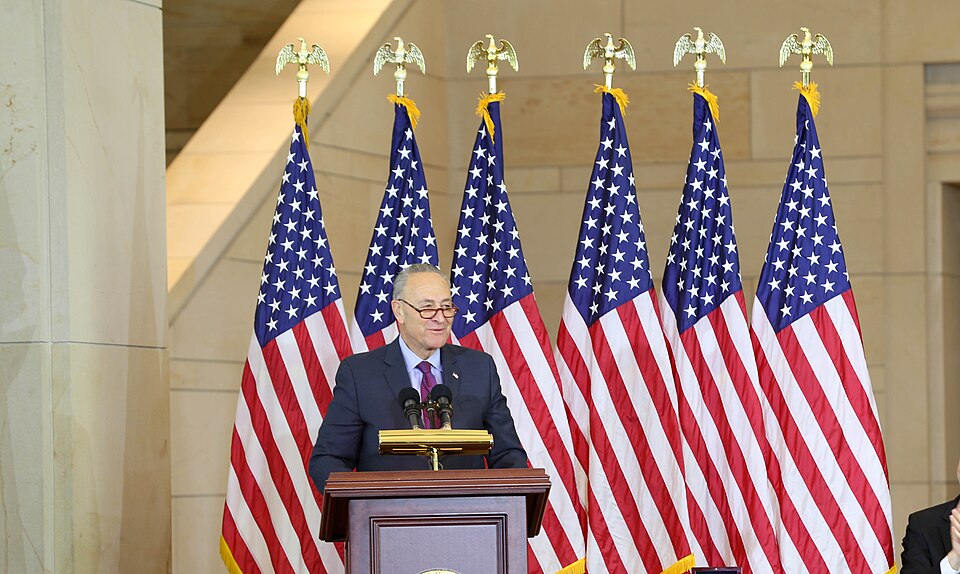
Progressive Victories Shake Democratic Leadership
A series of surprising Democratic primary results in New York has sparked fresh questions about the future of Senate Minority Leader Chuck Schumer and exposed growing divisions inside the Democratic Party.
Candidates backed by New York City Mayor Zohran Mamdani scored several high-profile victories, fueling concerns among moderate Democrats that the party is shifting further to the left ahead of the 2026 elections.
While Democratic leaders publicly projected confidence, many party insiders privately described the results as a warning sign for the party’s traditional leadership.
Speaking after the elections, Schumer insisted Democrats remain united despite their ideological differences.
“We’re seeing tremendous energy from every corner of our party,” Schumer said, pointing to moderate successes in states such as Virginia, Iowa, and New Jersey while also highlighting enthusiasm from progressive voters in New York City. He argued Democrats would bring those factions together as they work to regain congressional majorities and challenge President Donald Trump.
House Minority Leader Hakeem Jeffries also attempted to downplay the divisions, saying he maintains a productive working relationship with Mamdani even though they supported different candidates in several congressional races.
Moderates Sound the Alarm
Behind the optimistic public statements, however, several Democratic lawmakers and strategists acknowledged that the primary results revealed growing tensions inside the party.
Many moderates worry that the Democratic Party’s increasingly progressive direction—particularly on issues involving Israel, crime, policing, and economic policy—could make it more difficult to appeal to independent and swing voters.
Pennsylvania Sen. John Fetterman, one of the Democratic Party’s strongest supporters of Israel, expressed concern that anti-Israel voices are becoming more influential within Democratic politics.
He warned that the party’s rhetoric on Israel is likely to become even more aggressive following the latest election results.
Several Democratic operatives also suggested that longtime establishment leaders may face increasing resistance from the party’s activist base as progressive organizations continue expanding their influence.
Questions Grow About Schumer’s Political Future
The election results have also renewed speculation about Schumer’s long-term political future.
Earlier this month, another establishment-backed Democratic candidate lost a Senate primary, adding to concerns that traditional party leaders are struggling to connect with an energized progressive base.
One Democratic campaign operative argued that politicians associated with the party’s longtime leadership—including Schumer—could become increasingly vulnerable over the next several years.
Another Democratic insider disagreed, saying Schumer and Jeffries remain experienced campaigners with deep political organizations and strong statewide support.
Still, the atmosphere reflected growing frustration among some progressive activists.
During an election-night gathering, supporters of one winning candidate reportedly chanted, “You’re next,” after Jeffries appeared on television screens.
Socialist-Backed Candidates Score Major Wins
Several candidates endorsed by Mamdani and the Democratic Socialists of America emerged victorious in closely watched races.
Former New York City Comptroller Brad Lander helped defeat Rep. Dan Goldman in one congressional primary, while Darializa Avila Chevalier defeated Rep. Adriano Espaillat in another.
State Assemblywoman Claire Valdez also won her race to replace retiring Rep. Nydia Velázquez after campaigning on a progressive platform that included major housing reforms.
Some Democratic insiders believe those victories could make Schumer’s path to another Senate campaign more challenging if progressive activists continue gaining influence inside the party.
One longtime Democratic staffer predicted Schumer could ultimately decide against seeking another Senate term, arguing that the party’s traditional political coalition in many large cities has weakened considerably.
Democratic Leaders Push Back
Schumer declined to comment directly on the primary results during a Senate floor speech, instead criticizing Republicans and focusing on abortion policy following the anniversary of the Supreme Court’s decision overturning Roe v. Wade.
Later, Schumer argued that the election outcomes demonstrated Democratic enthusiasm rather than division and said voters remain motivated to oppose President Trump.
Jeffries also rejected suggestions that the results reflected a major setback for his leadership.
His allies noted that while some incumbents lost competitive primaries, several other Democrats successfully defended their seats, arguing each race reflected unique local factors rather than a broader rejection of party leadership.
Growing Debate Over the Party’s Direction
The victories by candidates aligned with the Democratic Socialists of America have intensified debate over the Democratic Party’s future.
Chevalier has previously described herself as a prison abolitionist and drew criticism during the campaign after emphasizing systemic reforms rather than directly answering questions about incarceration policies for violent offenders.
Both Chevalier and Valdez also campaigned in favor of ending U.S. military aid to Israel and called for government divestment from companies connected to the Israeli government.
Meanwhile, Rep. Alexandria Ocasio-Cortez has continued to fuel speculation about her political future.
Although she has not announced plans to challenge Schumer or launch a presidential campaign, she recently said her ambitions extend beyond seeking another office and are centered on changing the country.
Schumer, who has represented New York in the Senate since 1999 and has led Senate Democrats since 2017, is currently scheduled to complete his term in January 2029.
What Comes Next?
Whether Chuck Schumer ultimately seeks another Senate term remains uncertain, but the latest New York primary results have intensified an already growing debate over the Democratic Party’s future.
As progressive candidates continue gaining momentum and establishment leaders face increasing pressure from within their own party, Democrats must decide how to balance their expanding progressive movement with the broader coalition needed to compete in national elections.
With the 2026 midterms approaching, Republicans are expected to highlight those internal divisions while making the case that Democratic leadership is moving further away from the political center.
The coming months will likely determine whether the Democratic establishment can maintain control—or whether a new generation of progressive leaders will reshape the party’s direction for years to come.