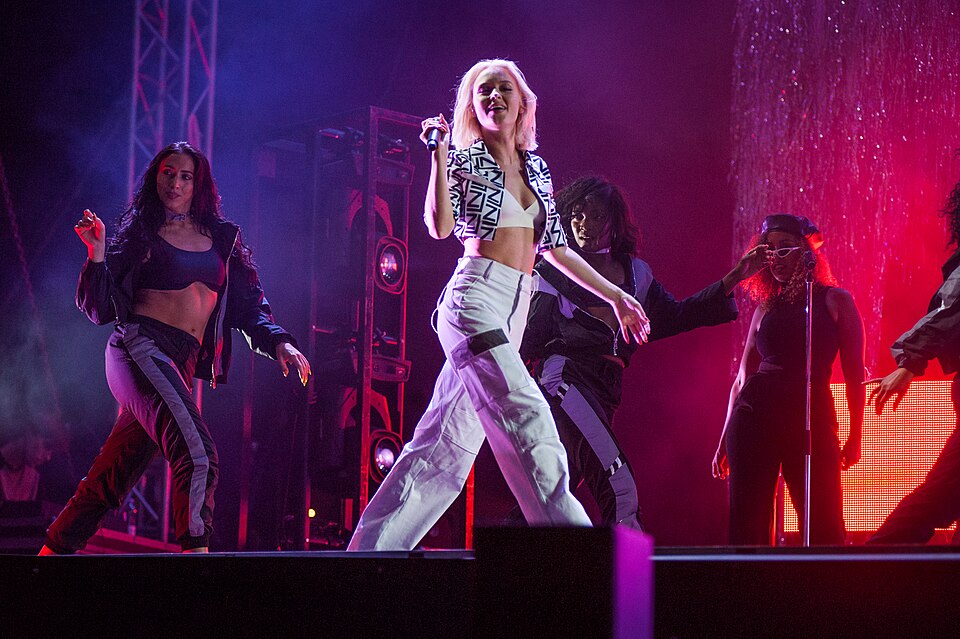
These celebrities need to calm down, conservatives find it hilarious.
President Donald Trump’s White House is facing another public clash with a major recording artist after Swedish pop star Zara Larsson condemned the administration for using one of her songs in a video promoting immigration enforcement.
The dispute began after the White House posted a TikTok video showing ICE agents carrying out arrests and placing individuals in handcuffs while Larsson’s song “Midnight Sun” played in the background.
The video included a caption appearing to play off wording from the song’s lyrics.
Larsson quickly responded — and she did not hold back.
Zara Larsson Slams White House Video
The 28-year-old singer posted her own TikTok criticizing the White House’s use of her music and the way the immigration arrests were presented.
Larsson called the video “so dehumanizing” and said she was deeply saddened by what she saw.
She said the people shown in the video should be recognized as individuals, adding that many undocumented immigrants are employed and seeking better opportunities for themselves and their loved ones.
Larsson also discussed her own upbringing in Sweden, saying she recognizes that access to education, opportunity and economic security can depend heavily on where someone is born.
At one point, she pointed to a person in the White House footage who appeared to be wearing construction clothing.
“These people in this video are real people,” Larsson said while arguing that many undocumented immigrants hold ordinary jobs and pursue the same kinds of opportunities as everyone else.
Singer Says White House Twisted Meaning Of Her Song
Larsson was particularly upset that the administration selected “Midnight Sun” for the immigration video.
According to the singer, the song was intended to represent connection, togetherness and a sense of unity with other people and the world around them.
She argued that using the track alongside footage of ICE arrests sent the opposite message.
Larsson ultimately ended her response with a profanity-laced insult aimed at the people responsible for the White House post.
The controversy quickly spread beyond TikTok as the confrontation attracted attention across entertainment and political media.
This Wasn’t Their First Clash
The latest dispute is not the first time Larsson has objected to the Trump administration using her music.
Earlier in 2026, the White House featured her previous hit “Lush Life” in another social-media video promoting immigration enforcement and supporting ICE.
Larsson responded at the time by publicly criticizing the agency and making clear that she did not support having her music associated with the administration’s immigration message.
The repeated disputes illustrate a growing challenge for political organizations and government accounts that use popular music to make social-media posts more attention-grabbing.
While recognizable songs can dramatically increase engagement, artists may object when their music becomes associated with political positions they oppose.
Other Music Stars Have Also Objected
Larsson is not alone.
Several well-known artists have complained after their songs appeared in Trump administration immigration-related social-media videos.
Pop star Ariana Grande objected earlier in 2026 after her song “Bye” appeared in a White House video showing ICE arrests.
Grande publicly asked the administration not to associate her music with the immigration enforcement campaign. The song was later removed from the TikTok video, according to reporting from People.
Singer Sabrina Carpenter also criticized the White House after her music was used in an immigration enforcement post in 2025.
And singer SZA accused the administration of deliberately provoking musicians after one of her songs appeared in another pro-ICE video.
Immigration Messaging Remains A Major White House Focus
The dispute comes as the Trump administration continues to place immigration enforcement at the center of its public messaging.
Videos highlighting ICE operations, deportations and law-enforcement activity have become a regular part of the administration’s social-media strategy.
That approach has also generated repeated clashes with entertainers whose music has appeared in the videos.
For supporters of tougher immigration enforcement, the videos emphasize the administration’s promise to enforce federal immigration law.
Critics, including Larsson, argue that some of the posts portray migrants in an unnecessarily harsh or dehumanizing manner.
The disagreement reflects the wider national debate surrounding illegal immigration, deportations and the appropriate limits of federal enforcement.
Celebrity And Politics Collide Again
The controversy also underscores the increasingly complicated relationship between politics, celebrity culture and social media.
Political organizations have long relied on music at rallies and campaign events. But platforms such as TikTok, Instagram and X allow political content to spread to millions of people almost instantly.
That means a song used in a short government video can suddenly become part of a major political debate — even when the artist wants nothing to do with the message.
Larsson has made her position unmistakably clear.
The Trump White House used one of her biggest songs to promote its immigration agenda, and the Swedish pop star responded by publicly condemning the message and insulting those behind the video.
The episode is now another example of how the administration’s aggressive social-media strategy can generate attention far beyond Washington — and spark immediate resistance from celebrities whose work becomes part of the political conversation.