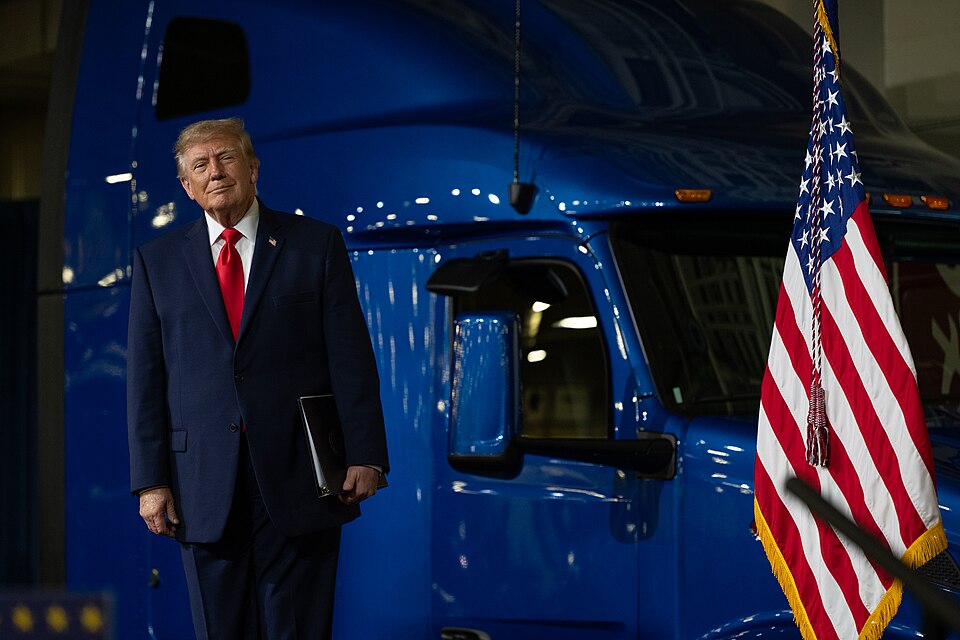
America must have faith in Trump’s leadership.
President Donald Trump is facing fresh criticism from the media after making a major decision involving Russia that some critics believe undermines the legacy of one of his closest Republican allies.
The controversy began after Trump signed an executive order waiving sweeping new sanctions against Russia, despite having approved the legislation just weeks earlier.
What makes the decision particularly controversial is the name attached to the law: the late Republican Sen. Lindsey Graham of South Carolina, a longtime Trump ally and one of Washington’s strongest advocates for confronting Russian President Vladimir Putin.
The move has raised questions about Trump’s foreign policy strategy, his relationship with Republican lawmakers, and whether easing economic pressure on Russia could help bring an end to the war in Ukraine.
However, the White House maintains that the president’s decision is in America’s national interest.
Trump Makes Unexpected Move on Russia Sanctions
On October 16, Trump issued an executive order waiving major provisions of the Lindsey O. Graham Sanctioning Russia and Iran Act of 2026.
The legislation, which Trump signed into law on September 18, was intended to increase economic pressure on Russia and countries that continue purchasing Russian energy.
Among its provisions were additional penalties targeting Russian financial institutions, government officials, and other entities connected to the country’s war effort.
The law also included substantial tariffs on goods from major importers of Russian oil and natural gas.
Those measures were scheduled to take effect on October 18.
Instead, Trump exercised waiver authority included in the legislation, effectively preventing many of the new restrictions from taking effect.
The president justified the decision by citing the national interests of the United States.
Importantly, the order does not eliminate all existing sanctions against Russia. Previous restrictions remain in place, while the administration retains greater flexibility over additional measures.
Why Lindsey Graham’s Name Makes This Controversial
The political significance of Trump’s decision goes beyond the sanctions themselves.
Lindsey Graham, who died in July 2026, was one of Trump’s most prominent Republican allies.
Although the two men occasionally disagreed over foreign policy, Graham frequently defended Trump and supported his administration’s legislative priorities.
Graham was especially outspoken about the need to confront Russia over its military actions in Ukraine.
Before his death, he helped advance legislation intended to punish Moscow economically and discourage other countries from financing Russia’s energy industry.
Congress eventually approved the measure bearing his name, and Trump signed it into law.
That history has now become a central part of the controversy.
Some commentators have portrayed Trump’s decision to waive the sanctions as an abandonment of Graham’s signature foreign policy effort.
However, describing the decision as a personal betrayal is a matter of political opinion, not an established fact.
Trump Defends His Decision as Critics Push Back
The Trump administration has argued that maintaining diplomatic flexibility is essential to pursuing an end to the war between Russia and Ukraine.
Trump has repeatedly emphasized his desire to negotiate a peace agreement and has suggested that imposing additional economic restrictions could complicate diplomatic discussions.
The president’s approach raises a difficult question about American foreign policy.
Should Washington immediately impose tougher penalties to pressure Moscow, or should the administration maintain flexibility while attempting to negotiate a settlement?
Critics argue that delaying sanctions could benefit Russia by reducing the economic consequences of continuing the war.
They believe stronger financial restrictions would give the United States greater negotiating leverage.
Supporters of a more flexible diplomatic approach argue that negotiations can require compromises and that imposing additional restrictions at the wrong moment could make an agreement more difficult.
Whether Trump’s strategy will produce meaningful results remains uncertain.
Russia Decision Sparks Concerns Among Republicans
The controversy has also exposed disagreements within the Republican Party.
Several Republican lawmakers have expressed concerns about the administration’s recent decisions involving Russian energy.
Some believe allowing additional Russian fuel exports or delaying economic penalties could provide Moscow with revenue while its war in Ukraine continues.
Others have focused on the administration’s efforts to address energy prices and stabilize international markets.
The debate comes as Americans continue dealing with the financial consequences of elevated energy costs.
Gasoline and diesel prices can affect transportation, shipping, agriculture, and the prices consumers pay for everyday goods.
For retirees and households living on fixed incomes, those expenses can place additional strain on monthly budgets.
However, there is no guarantee that easing sanctions against Russia will produce significant savings for American consumers.
Global energy prices depend on numerous factors, including production levels, international conflicts, transportation disruptions, and worldwide demand.
What Does This Mean for American Taxpayers?
Trump’s decision could have consequences reaching far beyond Washington.
The United States continues to face challenging questions about its role in the Russia-Ukraine war, the cost of international commitments, and its relationships with European allies.
Meanwhile, Americans have their own concerns about national security, energy affordability, and the country’s financial priorities.
The administration must now demonstrate whether its diplomatic approach can reduce tensions while protecting American interests.
There is also the question of congressional authority.
Congress approved the sanctions legislation with bipartisan support, but the law expressly gave the president authority to waive certain requirements when doing so serves the national interest.
Trump’s executive order relies on that authority.
As a result, the controversy is not simply about whether the president can legally delay these penalties. It is also about whether doing so represents the right foreign policy decision.
Is Trump Making a Strategic Gamble?
With the November midterm elections approaching, Trump’s handling of Russia is likely to remain a subject of political debate.
His critics see the sanctions waiver as an unnecessary concession to Putin and a departure from the tough measures supported by Lindsey Graham.
Others see the decision as an attempt to preserve diplomatic options and avoid further economic complications.
The president still has the ability to pursue additional measures against Russia, and his administration has not announced the removal of every existing sanction.
Ultimately, the effectiveness of Trump’s approach will depend on whether Russia demonstrates a willingness to negotiate and whether meaningful progress toward ending the war follows.
For now, one thing is clear: a law bearing the name of one of Trump’s closest Republican allies has become the center of another major political controversy.
And the debate over how America should confront Russia is far from over.