Trump just secured another major victory for America.
In a bold move that signals a shift away from China’s growing influence in Latin America, Panama’s President José Raúl Mulino has vowed to end a significant development agreement with Beijing. His decision comes after a high-profile meeting with U.S. Secretary of State Marco Rubio and mounting concerns from former President Donald Trump about China’s expanding control over the Panama Canal, a crucial waterway for global trade.
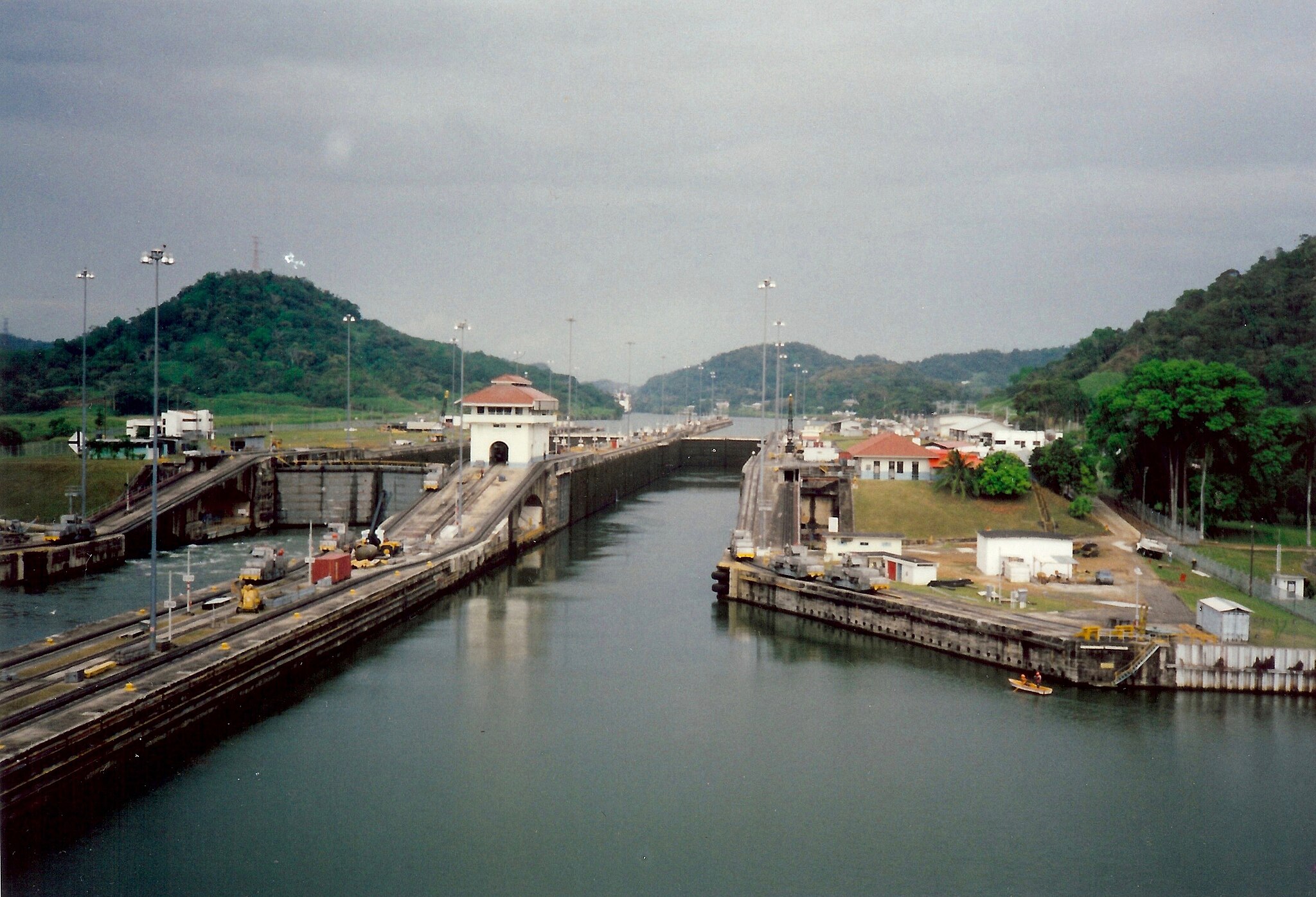
Mulino made it clear that Panama would retain full sovereignty over the 51-mile canal, which connects the Pacific Ocean with the Caribbean Sea. In a decisive break from past policy, he announced that Panama would not renew its 2017 memorandum of understanding with China’s Belt and Road Initiative (BRI), a global infrastructure project that has been criticized for increasing China’s influence over participating countries. Instead, Mulino emphasized Panama’s intent to strengthen its relationship with the United States, particularly in the areas of trade and investment.
“This visit is a gateway to foster new relations with the U.S. and maximize U.S. investments in Panama,” Mulino remarked after his meeting with Rubio. Rubio, who previously represented Florida in the Senate before being appointed as Secretary of State, was quick to support Mulino’s position. He reiterated that the U.S. would not tolerate the Chinese Communist Party’s growing control over the Panama Canal.
“America First means securing vital interests, and we cannot allow China to continue expanding its influence in such a critical region,” Rubio posted on X (formerly Twitter).
Trump has long raised concerns about China’s strategic foothold in the canal area, citing the exorbitant fees that U.S. ships are charged to pass through. The Panama Canal, built by the U.S. and completed in 1914, was handed over to Panama in 1999 as part of the Carter administration’s agreement, but its significance to U.S. national security remains profound.
In response to these concerns, House Republicans have introduced the Panama Canal Repurchase Act, a bill designed to authorize the U.S. government to negotiate the repurchase of the canal. Rep. Dusty Johnson, R-S.D., a leading voice on U.S.-China relations, championed the bill, stating, “President Trump is right to consider repurchasing the Panama Canal. It’s a national security issue. China’s growing presence is a serious threat, and we must act to ensure the security of our country.”
The bill, if passed, would empower the president and the State Department to initiate negotiations with Panama to regain ownership of the waterway. Johnson’s office pointed out that around 72% of the canal’s traffic is from U.S. ports, underscoring the waterway’s vital role in U.S. commerce and defense operations. U.S. vessels, including those from the Coast Guard and Department of Defense, depend on the canal for fast, efficient transit.
The strategic importance of the Panama Canal cannot be overstated. Without it, U.S. ships would be forced to navigate an additional 8,000 miles around South America to reach their destinations. The canal generates billions of dollars in tolls annually, and the revenue could significantly benefit the U.S. economy if American interests were once again at the helm.
Beyond the canal issue, Rubio and Mulino also discussed efforts to address the ongoing migration crisis in the Americas, as well as the importance of fair competition for U.S. companies operating in the region. This visit marks the beginning of a new chapter in U.S.-Panama relations, one that is more closely aligned with American interests and values, especially as the U.S. seeks to push back against China’s encroachment in the Western Hemisphere.