Here’s what was learned.
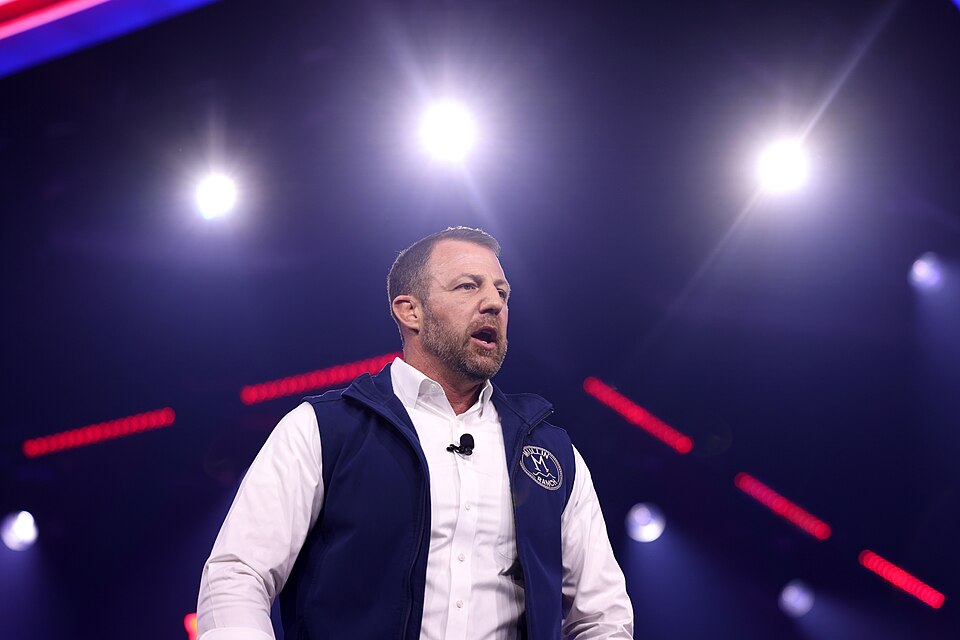
President Donald Trump’s Homeland Security Secretary Markwayne Mullin is facing serious questions about his future in the administration after reportedly being sidelined by the White House following a series of controversial television interviews and a trip to a college football game.
The developments have fueled speculation about whether Trump could be considering another major shakeup at the Department of Homeland Security, one of the most important agencies responsible for protecting the nation.
Although no firing has been announced, the reported decision to limit Mullin’s public role suggests that some senior administration officials have become concerned about his handling of recent national security issues.
The controversy comes as the Trump administration faces growing pressure to explain a series of major technology disruptions that affected air travel and other critical systems across the United States.
White House Reportedly Sidelined Mullin
According to reporting from the New York Post and other news outlets, Mullin was pushed out of a prominent public messaging role after several television appearances raised concerns among White House officials.
The Homeland Security secretary had been discussing widespread technology outages, including a nationwide Federal Aviation Administration ground stop that temporarily brought American air travel to a halt.
During one television appearance, Mullin expressed approximately 98% confidence that the disruptions were not connected to a cyberattack.
However, his assessment raised questions about whether investigators had gathered enough information to reach such a definitive conclusion.
The situation reportedly became serious enough that senior White House adviser Stephen Miller intervened in the administration’s communications strategy.
Officials reportedly shifted more responsibility for explaining the disruptions to Secretary of State Marco Rubio and Director of National Intelligence Jay Clayton.
The change placed Mullin in an uncomfortable position as questions continued surrounding the federal government’s response.
For an administration that has repeatedly emphasized strong national security and government accountability, the controversy created an unwelcome distraction.
Mullin’s College Football Trip Raises Eyebrows
The Homeland Security chief also attracted criticism for attending a college football game in Louisiana shortly after the nationwide aviation disruption.
Mullin traveled to Baton Rouge to watch Louisiana State University face the University of Texas while numerous travelers were still dealing with the consequences of the earlier flight shutdown.
His use of government aircraft for the trip quickly became another point of controversy.
Critics questioned the timing, arguing that the nation’s top homeland security official should have remained focused on the unfolding transportation problems.
Mullin defended his decision, explaining that the trip had been planned well in advance and involved spending time with family members.
He also argued that his security requirements affected how he traveled.
Nevertheless, the controversy continued when lawmakers questioned him about the trip during a congressional hearing.
The debate added to the growing scrutiny surrounding his leadership at the Department of Homeland Security.
Conservative Figures Express Concerns
Mullin has also faced criticism from influential conservative commentators who questioned his effectiveness as a public spokesman during the administration’s response to the disruptions.
Former Trump adviser Steve Bannon publicly suggested that repeatedly placing Mullin on major television programs might not be helping the White House communicate its message.
The criticism highlights an important challenge for the Trump administration.
When millions of Americans are concerned about aviation safety, cybersecurity, and potential disruptions to essential services, federal officials must provide accurate and consistent information.
Conflicting explanations or uncertain statements can make an already complicated situation more difficult.
At the same time, Homeland Security officials are responsible for addressing threats that extend far beyond airport disruptions.
The department plays an important role in border security, immigration enforcement, disaster response, and protecting critical infrastructure.
Those responsibilities make the department’s leadership especially important to the president’s broader agenda.
Could Trump Make Another Cabinet Change?
The controversy has naturally raised questions about whether Mullin could become the next administration official to lose his position.
Trump previously replaced Kristi Noem as Homeland Security secretary, selecting Mullin to lead the department earlier in 2026.
The president has demonstrated that he is willing to make leadership changes when he believes they are necessary to advance his administration’s priorities.
However, there is an important distinction between losing a public communications assignment and losing a Cabinet position.
As of November 19, Trump has not publicly announced plans to remove Mullin from his position.
There has also been no confirmed decision to appoint a replacement.
Nevertheless, the reported White House intervention could increase pressure on Mullin to demonstrate that he remains capable of effectively managing one of the federal government’s most demanding departments.
His future may depend partly on whether he can regain the confidence of the president and other senior officials.
Why The DHS Controversy Matters
The Department of Homeland Security occupies a central position in the Trump administration’s efforts to strengthen border enforcement and protect the United States against security threats.
Its responsibilities affect millions of Americans, from families traveling through airports to communities concerned about immigration enforcement and national security.
Recent technology disruptions have also highlighted the importance of protecting critical infrastructure against unexpected failures and potential cyber threats.
Americans depend on reliable transportation networks, communications systems, and government services.
When those systems experience major problems, the public expects federal officials to explain what happened and what is being done to prevent future disruptions.
For Trump, the situation presents a leadership challenge at a time when public confidence in government preparedness remains essential.
The administration must address the underlying security concerns while managing questions about the officials responsible for communicating its response.
What Happens Next For Mullin?
Mullin remains the secretary of Homeland Security, but the latest controversy has placed additional attention on his relationship with the White House.
His recent television appearances, the college football trip, and the reported decision to reduce his public responsibilities have combined to create a difficult political situation.
Whether those developments lead to an actual leadership change remains uncertain.
For now, the administration appears focused on providing more consistent public explanations about the technology disruptions and reassuring Americans about national security.
Mullin will likely face continued questions from lawmakers and the media as officials investigate what went wrong.
The biggest unanswered question is whether Trump views the controversy as a temporary public relations problem or a more serious leadership concern.
Until the president makes his intentions clear, speculation about Mullin’s future will likely continue.
What is certain is that the Department of Homeland Security remains central to Trump’s national security agenda, and its leadership will continue to face close scrutiny in Washington.