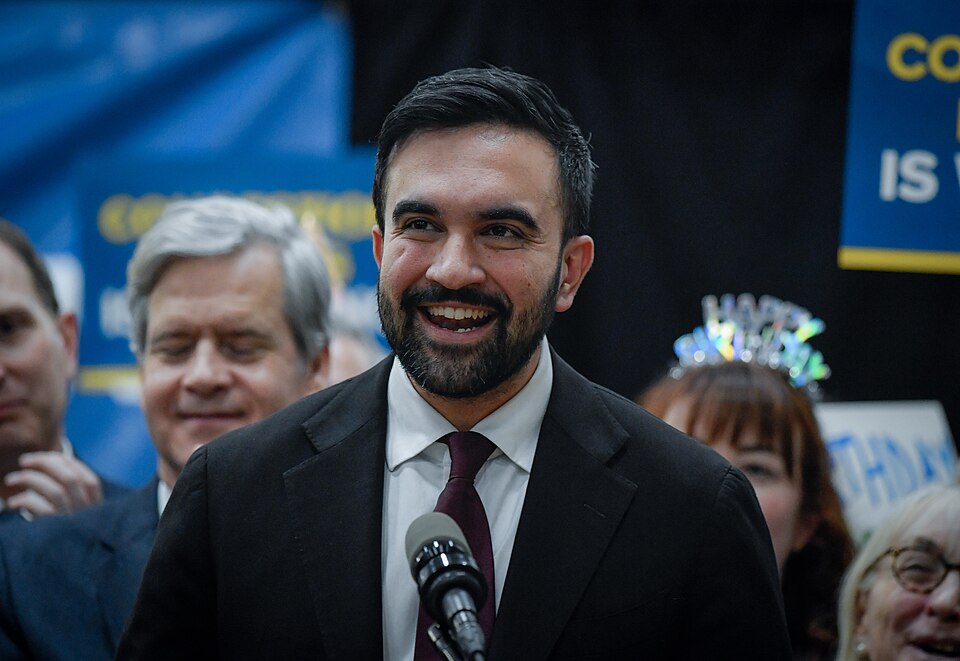
Welcome to Mamdani’s NYC.
New York City’s public school system is facing renewed scrutiny after a new report found that hundreds of schools are struggling to teach students basic math and reading skills despite the city spending more per student than almost any other school system in the nation.
The report, commissioned by Success Academy, concluded that 43% of New York City public schools are failing to adequately prepare students in English and mathematics. According to the findings, that amounts to more than 900 schools and roughly 400,000 students who are not receiving the level of education many parents expect.
The report has intensified the debate over education reform, school choice, and whether taxpayers are receiving value for the billions of dollars invested in public education each year.
New York City Education Spending Reaches Record Levels
New York City reportedly spent approximately $40 billion on public education in 2024, with annual spending averaging about $36,000 per student—well above the national average.
Despite those historic investments, the report argues that academic performance has continued to fall short in a significant number of schools.
Success Academy founder and CEO Eva Moskowitz said the disappointing results show that simply increasing education funding does not automatically improve student achievement.
“It’s heartbreaking that so many children are being left behind despite the enormous resources available,” Moskowitz said during an interview on Newsmax’s “America Right Now.”
She added that the report was written to show families and policymakers that stronger academic outcomes are possible with a different approach.
Success Academy Points to Higher Expectations
Moskowitz argued that one of the biggest challenges facing public education is what she described as declining academic expectations.
Rather than accepting lower performance, she believes schools should expect every student to achieve at a high level.
Success Academy’s educational model focuses on several core principles, including:
- Teaching phonics through the science of reading.
- Requiring daily independent reading for every student.
- Maintaining orderly classrooms with clear expectations.
- Encouraging respect, responsibility, and discipline.
- Partnering closely with parents throughout a child’s education.
According to Moskowitz, every student reads for at least 30 minutes each day, while schools place a strong emphasis on mastering reading fundamentals before moving to more advanced material.
She also said parents play a central role in student success and that Success Academy encourages regular communication between families, teachers, and school administrators.
School Choice Debate Continues
The report is expected to fuel ongoing discussions over school choice, charter schools, and education reform nationwide.
Supporters of charter schools argue that giving parents more educational options encourages competition and improves student outcomes. Critics, meanwhile, contend that traditional public schools should receive additional support and resources to address long-standing challenges.
During the interview, Newsmax host Tom Basile noted several academic achievements reported by Success Academy, including that 95% of graduating seniors have passed at least three Advanced Placement exams, while many middle school students rank among the highest academic performers in New York.
Moskowitz credited those results to consistent expectations, a structured learning environment, and strong family involvement.
She also challenged the widespread belief that smaller classrooms automatically produce better academic results.
Instead, she argued that larger classes can still achieve outstanding outcomes while allowing schools to provide additional opportunities such as chess, music, art, dance, and athletics.
According to Success Academy, the charter network currently serves approximately 22,000 students throughout New York City.
Education Reform Remains a National Issue
Education continues to rank among the top concerns for many American families as lawmakers debate how best to improve student achievement and prepare the next generation for future careers.
Supporters of school choice say parents deserve greater freedom to select schools that best meet their children’s needs, particularly when local public schools consistently struggle to produce strong academic results despite record spending.
Moskowitz urged elected officials to focus on policies that prioritize student success over bureaucracy, arguing that America’s long-term economic competitiveness depends on improving educational outcomes.
She said strengthening the nation’s schools is about more than test scores—it is an investment in the country’s future workforce, economic prosperity, and national security.