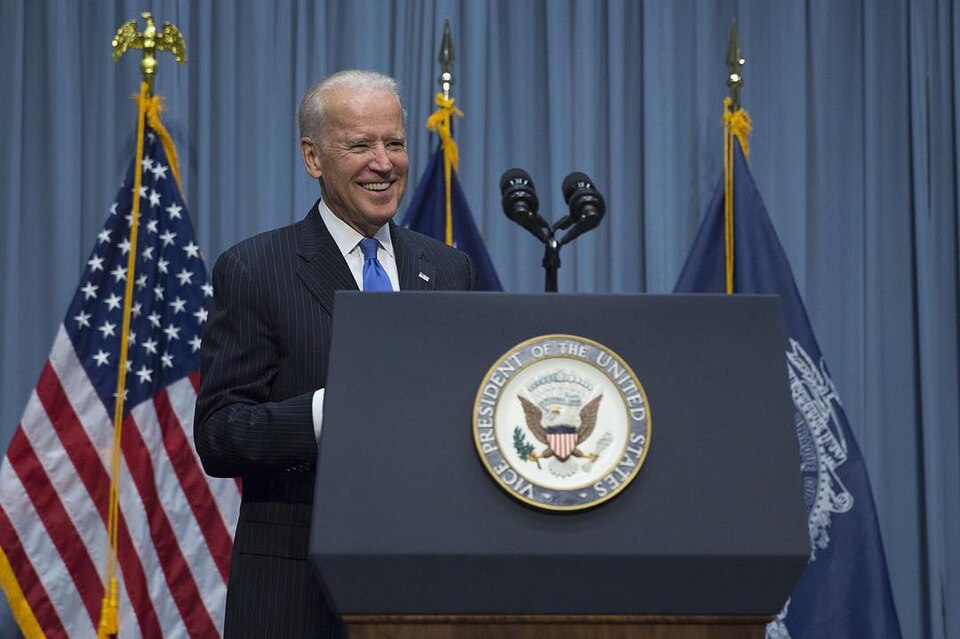
Biden made a lot of mistakes.
A $5 billion federal program designed to modernize America’s school bus fleet is facing renewed scrutiny after new EPA figures revealed significant delays in the delivery of electric school buses.
According to statistics released by the Environmental Protection Agency, fewer than 40% of the electric buses examined under the Biden-era Clean School Bus Program have been delivered. Hundreds of additional vehicles are reportedly behind schedule, while some buses are no longer expected to arrive at all.
The growing problems have raised questions about federal spending, government oversight, electric vehicle costs and whether school districts were given enough flexibility when choosing new buses.
Billions in Federal School Bus Funding
Congress created the Clean School Bus Program with $5 billion to help school districts replace older buses with cleaner vehicles.
The program was intended to support both zero-emission electric buses and other lower-emission alternatives, including propane, compressed natural gas and additional fuel technologies.
However, electric buses ultimately received the overwhelming majority of the funding distributed during the Biden administration.
EPA Administrator Lee Zeldin has criticized that approach, arguing that federal officials moved too quickly and failed to provide adequate oversight before committing billions of taxpayer dollars.
The current EPA leadership says it plans to make major changes before distributing additional funding.
Electric School Bus Deliveries Fall Behind
The latest numbers highlight the scale of the problem.
Of approximately 2,600 buses and related projects reviewed by the EPA, roughly 1,100 electric buses have been delivered.
Another 854 are reportedly behind schedule, while approximately 140 are not expected to be delivered.
Only about 60 buses in the group were propane-powered, according to the EPA, and the agency said nearly all of those vehicles have already been delivered.
The delivery problems have intensified a broader debate over whether federal officials emphasized electric school buses faster than manufacturers and local infrastructure could realistically support.
School Districts Withdraw From Program
Some school districts have decided not to move forward.
According to the EPA, roughly one-third of participating districts have withdrawn from portions of the Clean School Bus Program.
Reasons have reportedly included rising costs, delivery delays, infrastructure challenges and operational concerns.
For families and school administrators, dependable transportation is an everyday necessity. When new buses arrive late, districts may have to continue operating older vehicles or make other transportation arrangements.
That can create additional expenses for communities already dealing with rising education and transportation costs.
Taxpayer Spending Faces New Scrutiny
The federal price tag is another major issue.
Electric school buses generally cost considerably more upfront than conventional diesel or propane buses.
A traditional school bus can often cost less than $200,000, while an electric model may sell for approximately $300,000 to $400,000 before charging equipment and infrastructure improvements are included.
Federal grants can reduce the direct cost to individual school districts, but taxpayers ultimately finance those subsidies.
The EPA has estimated that the average federal cost associated with some buses purchased through the program exceeded $1 million when vehicles, charging infrastructure and related expenses were included.
That gap has increased calls for stronger government oversight and greater transparency over how federal transportation money is being spent.
Manufacturers Come Under Pressure
Several companies involved with the federal program have faced questions about their ability to deliver vehicles on schedule.
Lion Electric, a major electric bus manufacturer, encountered severe financial difficulties after receiving substantial federal funding connected to electric school transportation projects.
Other recipients include First Student and Highland Electric Fleets.
First Student received hundreds of millions of dollars through the Clean School Bus Program. EPA officials say a large share of its expected electric bus deliveries have fallen behind schedule.
The company says it remains committed to completing the projects.
Kevin Matthews, First Student’s head of electrification, said the company expects to operate more than 1,000 electric school buses by the end of the school year and has accumulated millions of electric miles.
Highland Electric has also defended its performance.
The company says it and its partners have delivered nearly 500 federally funded electric buses and have hundreds more currently being manufactured.
Highland says it remains in compliance with federal program requirements and regularly communicates with the EPA.
Supporters Cite Health and Environmental Benefits
Electric school bus supporters continue to argue that the vehicles offer important advantages.
Because electric buses produce no tailpipe emissions, supporters say they can reduce children’s exposure to diesel exhaust around schools and neighborhoods.
Advocates also point to quieter operation and potentially lower maintenance expenses over a vehicle’s lifetime.
Highland Electric founder and CEO Duncan McIntyre has argued that cleaner school transportation can benefit children’s health while providing a quieter and smoother ride.
Supporters maintain that the technology will become more practical as battery performance improves, charging infrastructure expands and manufacturing becomes more efficient.
Reliability Remains a Concern for Some Districts
Not every school district operates under the same conditions.
Rural routes can stretch for many miles. Cold temperatures can reduce battery performance. Charging stations can require expensive electrical upgrades.
Some districts have also reported mechanical problems, recalls and concerns about whether electric buses provide the advertised driving range under real-world conditions.
Those challenges have fueled calls for school districts to receive greater flexibility when choosing vehicles.
A bus that works effectively in a densely populated urban district may not be the best choice for a rural community where students travel long distances.
The EPA’s current review appears designed to provide local officials with more transportation options rather than emphasizing one technology.
EPA Plans Changes to Clean School Bus Program
The Trump administration’s EPA says it is reviewing the program before releasing the remaining federal funding.
Officials have sought feedback from school districts, bus manufacturers, fleet operators and energy companies about a variety of technologies.
Future funding could place greater emphasis on alternatives such as propane, compressed natural gas, liquefied natural gas, biofuels and hydrogen in addition to electric vehicles.
The agency is also expected to focus more heavily on affordability, reliability and whether manufacturers can meet promised delivery schedules.
What Happens Next?
The Clean School Bus Program is now entering a critical phase.
Billions of dollars have already been committed, yet many districts are still waiting for buses they expected to receive.
Supporters of electric school transportation argue that delays are part of the challenges that accompany a major transition to new technology.
Critics, including current EPA leadership, argue that federal officials committed too much money too quickly without sufficient safeguards.
For taxpayers and parents, the larger issue extends beyond electric vehicles.
Any federal program involving billions of public dollars depends on clear oversight, realistic deadlines and accountability for companies receiving government funding.
Electric school buses may ultimately become an increasingly common part of America’s transportation system. But the problems surrounding the current program have reinforced a basic question for Washington: Are taxpayers and school districts getting what they were promised for the money being spent?
With additional federal funding still available, the EPA’s next decisions will determine whether the Clean School Bus Program continues primarily as an electric vehicle initiative or evolves into a broader effort giving local schools more choices over cost, fuel type and transportation technology.