Major change is going on in the Middle East.
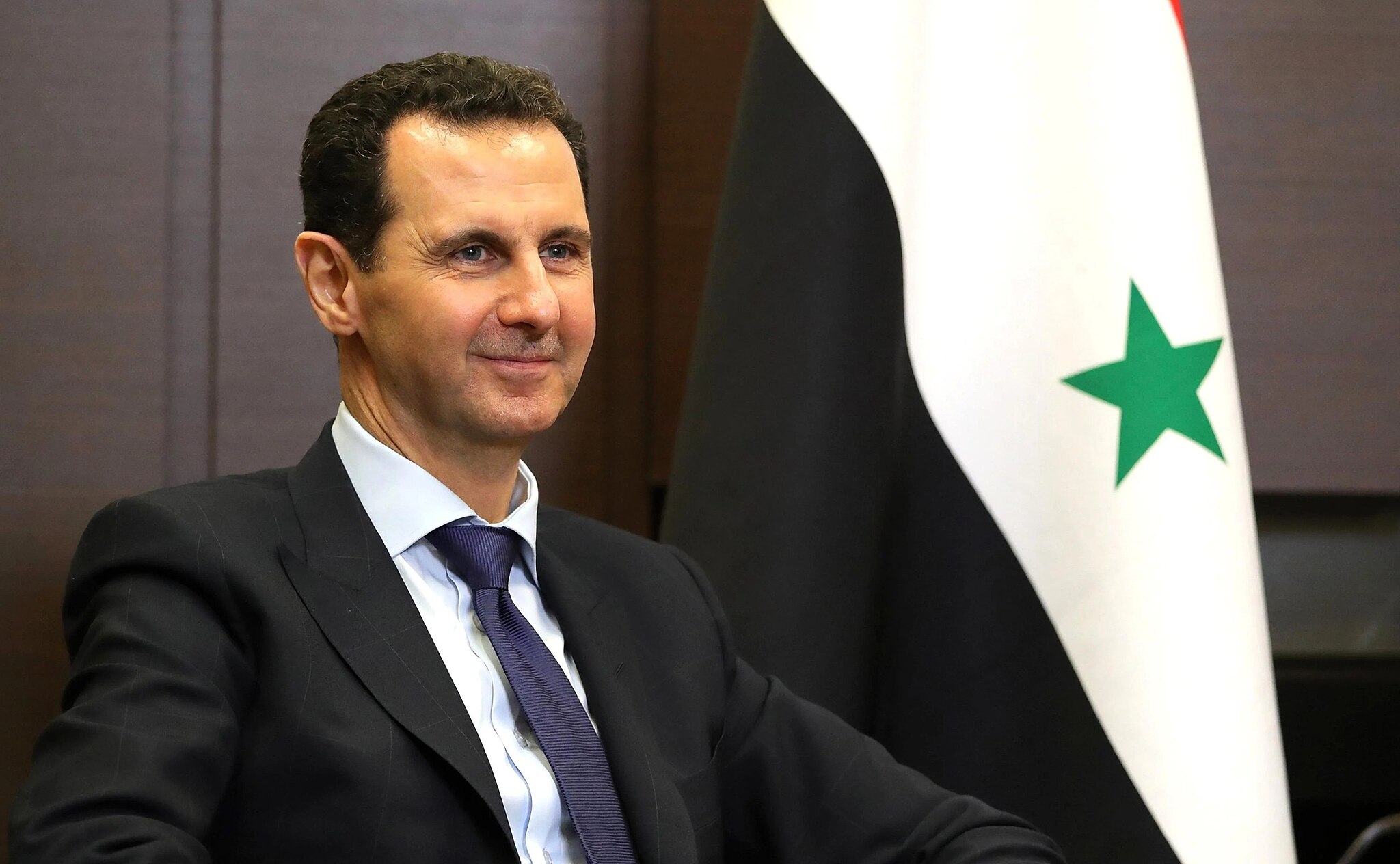
President Joe Biden’s recent remarks following the fall of Syrian dictator Bashar al-Assad highlight both the triumph and the challenges facing Syria in the wake of Assad’s collapse. In a statement from the White House, Biden celebrated the overthrow of one of the world’s most brutal regimes, but also acknowledged the inherent dangers of the vacuum that may follow. The U.S. has remained heavily involved, conducting precision airstrikes against ISIS positions in Syria, underscoring the administration’s commitment to preventing the country from becoming a breeding ground for terrorist groups.
“For years, Bashar al-Assad’s regime brutalized and murdered countless innocent Syrians,” Biden stated, adding that the fall of Assad represents a critical moment for Syria’s future. However, with the departure of the dictator, the president warned of the significant risks involved, including the potential for ISIS and other extremist factions to regain a foothold in the country. Biden assured Americans and international allies that the U.S. would not allow this to happen, emphasizing the need to work with regional partners, including Jordan, Lebanon, and Israel, to stabilize the situation.
In the midst of this chaos, a rebel coalition led by Hayat Tahrir al-Sham (HTS), an Islamist group with past ties to al-Qaeda, has seized control of Damascus. While Biden acknowledged the victories of these rebel forces, he also pointed out the troubling history of these groups, particularly their links to terrorism. The president called for continued vigilance, stating that the U.S. would be watching not only the actions of these groups but their words as well. HTS leader Abu Mohammed al-Julani, who once pledged allegiance to al-Qaeda but later claimed to have moderated his stance, will now help manage the country’s transition.
The U.S. government, while welcoming the end of Assad’s reign, is keenly aware that the road ahead is fraught with uncertainty. Biden emphasized that it is crucial for the Syrian people to lead the process of rebuilding, though America’s role in offering humanitarian aid and diplomatic support will remain central. He also promised to continue pressing for the return of American journalist Austin Tice, who has been missing in Syria for over a decade.
In an important aside, Biden noted that Assad’s major backers—Russia, Iran, and Hezbollah—are far weaker than they were when he took office. This, he argued, directly contributed to the Assad regime’s downfall, underscoring the effectiveness of U.S. foreign policy in confronting these adversaries. The weakened position of these actors, especially amid Russia’s ongoing war in Ukraine and Israel’s efforts to combat Iranian influence in the region, left Assad’s regime vulnerable and ultimately led to its collapse.
As the situation in Syria continues to evolve, the Biden administration’s actions signal a commitment to maintaining American influence in the region and ensuring that terrorism does not once again take root in the heart of the Middle East. However, for many Republicans, the question remains: how will the U.S. manage to balance the support of Syrian rebels with the clear threats posed by Islamist factions, while securing a lasting peace for the Syrian people? The next steps in U.S. foreign policy will be critical in shaping the future of Syria and the broader Middle East.